

Insight Snapshot
Welcome to Confluence Session Insights, powered by Infosys Knowledge Institute
Experience the essence of Infosys EMEA Confluence 2025 with dynamic, real-time coverage. Get ahead with session previews, timely updates, standout moments, inspiring quotes, and key takeaways from Days 1, 2, and 3. Whether you’re on-site or tuning in virtually, our live updates ensure you stay connected to every insight, innovation, and highlight as they unfold. Don’t miss a moment of this year’s most anticipated event!
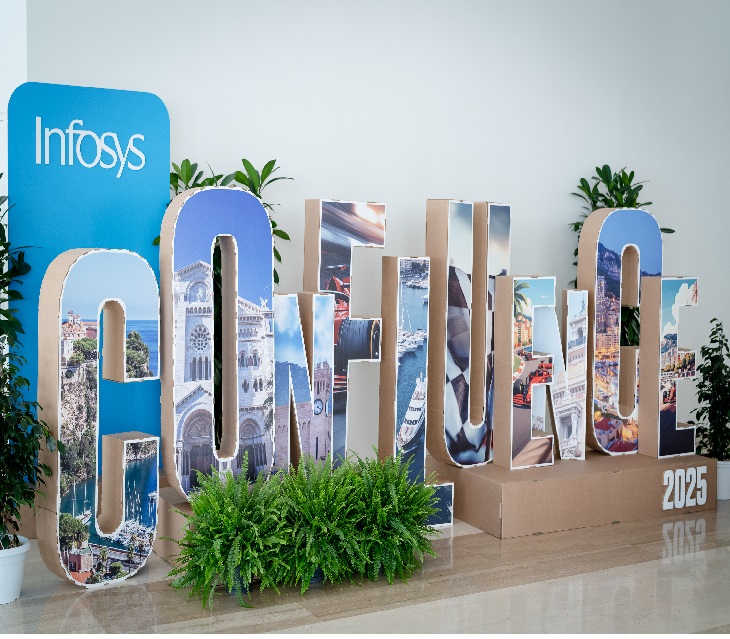
AI your Enterprise: Welcome to Infosys EMEA Confluence 2025
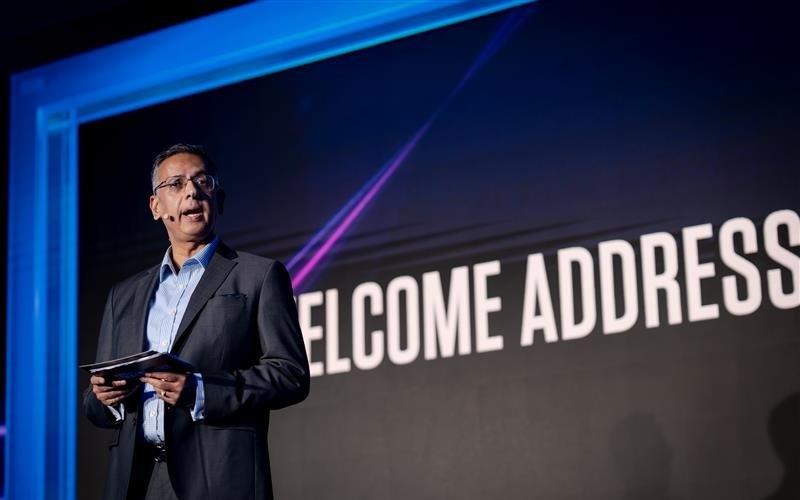
Karmesh Vaswani introduces how Infosys can AI your Enterprise by building hybrid strategies and focusing on AI not hype.
A system is only good as good as the human purpose that guides it, but also as good as the human purpose that it fulfils, and we as responsible custodians of our industry have to ensure that both can coexist in harmony and in rhythm.” With these bold and inspiring words, Karmesh Vaswani, EVP & Global Head, CRL at Infosys, opened the Infosys EMEA Confluence 2025 in Monaco’s famous Fairmont Hotel.
Read moreAnnouncing the theme of the event as ‘AI your Enterprise’, he went on to describe how artificial intelligence is transforming many industries, from Retail, Energy, Banking, and Telecom, to Life Sciences, Research and Consumer goods.
But as AI becomes more affordable, accessible, and accurate, Mr Vaswani warned that there will be many trade-offs, between the speed of innovation versus control, aspects of ethics versus performance, aspects of data and cloud sovereignty.
He recommended that enterprises need to build and execute hybrid strategies – for instance where private models can be used for core intellectual property, with public ones for productivity enhancement. He also advocated for a focus on strict data governance and most importantly, a focus on measurable ROI instead of hype.
Mr Vaswani concluded by describing how over the two days of Infosys EMEA Confluence, attendees will hear directly from industry leaders with examples of how enterprises are applying AI to drive tangible value to power. These insights will also deep dive into Infosys are designing, building and scaling platform capabilities so that enterprise leaders’ life and jobs will be easier in navigating this AI revolution.
Read less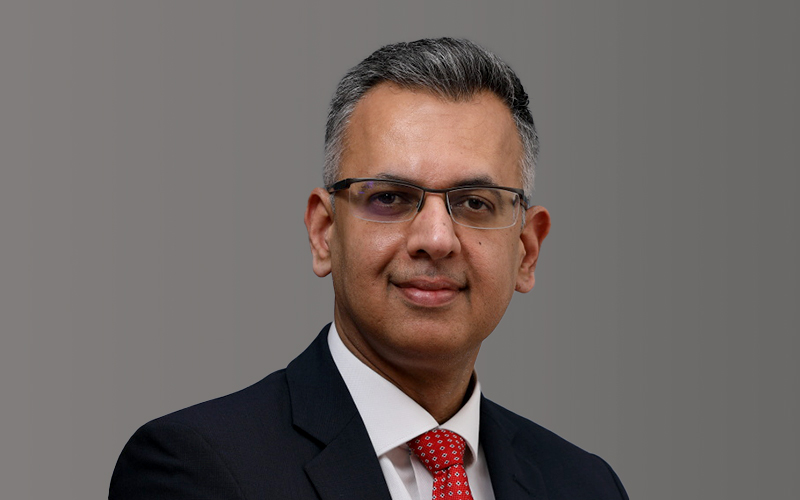
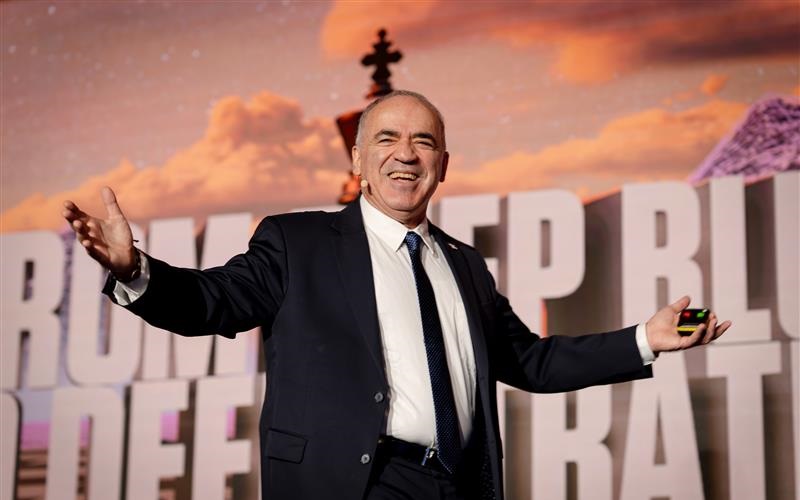
The Evolving Relationship Between Humans and Machines: Reflections from a Grandmaster
Garry Kasparov provides hope and optimism for a rapidly changing world.
World renowned Chess Grandmaster Garry Kasparov delivered and enthralling keynote reflecting his nuanced views of the relationship between Artificial Intelligence and Human Creativity.
Read moreOf course, Mr Kasparov made AI history when in 1997, he was beaten by IBM’s Deep Blue computer. The loss was clearly a big disappointment, but he told the audience that it was a positive influence over his thinking on the future relationship between computers and humans.
Mr Kasparov’s main message was that while the progress of AI is unpredictable, it is important to balance caution with optimism. The real challenge, he feels, is not in AI itself, but in its potential misuse by bad actors.
In chess and similar games, machines have surpassed human capability in structured environments, says Kasparov. Yet, the ability to transfer knowledge across different domains remains uniquely human.
Creativity, unlike computation, does not guarantee predictable outcomes. Machines do not account for the possibility of failure in their calculations, always seeking the optimal result. If we understand our unique role, according to Kasparov, we can ensure the best outcomes from human-machine collaboration.
Technology will continue to shape our world, human ingenuity, creativity, and strategic thinking remain essential. Mr Kasparov believes humanity’s position is secure if we recognise and nurture these qualities, ensuring that the combination of human and machine delivers the greatest possible benefit. This is why he prefers to think of AI more as Augmented Intelligence, because we will progress and evolve together.
Read less
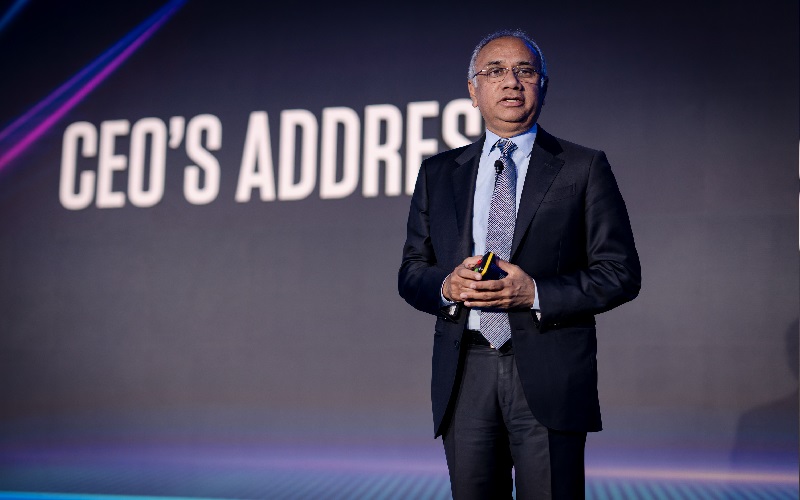
CEO's Address: AI Your Enterprise
AI at the Core: Salil Parekh on Building for Scale and Trust.
Formally opening the EMEA Confluence event, Infosys CEO Salil Parekh focused on how the leading technology vendor has built robust capabilities to deliver Enterprise AI to the 200 client executives and partners in the room.
Infosys has developed various AI agents tailored to specific industries and horizontal functions, creating significant benefits for clients in sectors like financial services, telecom, healthcare, and manufacturing, explained Mr Parekh.
Read moreThe company has also built a leading AI framework supported by engineering and talent. This includes AI-powered engineering capabilities, small language models, and a team of forward-deployed engineers trained extensively in AI. The Topaz fabric, Infosys's AI capability, is now deployed across all capabilities and facilities, providing pervasive AI solutions across the business.
Key priorities for Infosys that were listed by Mr Parekh include:
- Talent: Over 270,000 employees trained in AI
- Cloud and Data for Enterprise AI: Capabilities that are critical for AI to deliver value
- European Partnerships & acquisitions: Providing new capabilities in the region
- Community impact: Initiatives like Springboard, providing digital education to over 10 million people worldwide
Mr. Parekh concluded with an anecdote about a client who praised Infosys's dependable execution over flashy marketing, underscoring the company's delivery-first DNA. He closed by referencing the ethos of "One Infosys," integrating capabilities across the firm to bring the full force of its expertise to every client engagement. In his words, innovation is vital, but for Infosys, delivery is the true differentiator.
Speaker
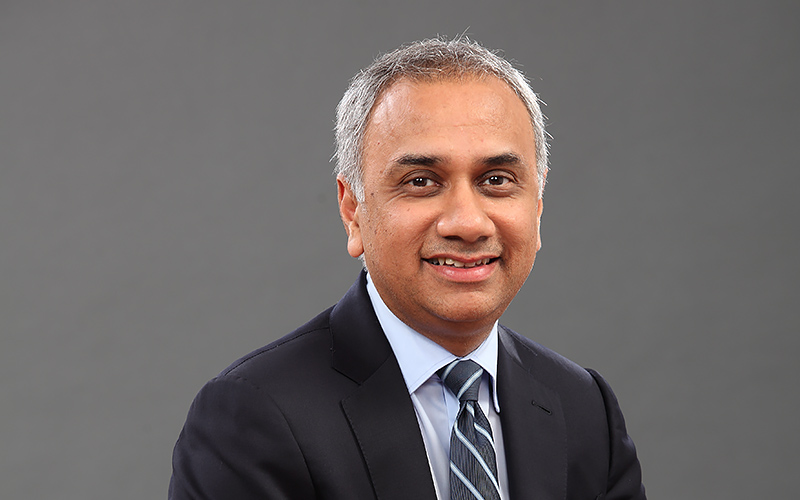
Salil Parekh, CEO & MD, Infosys
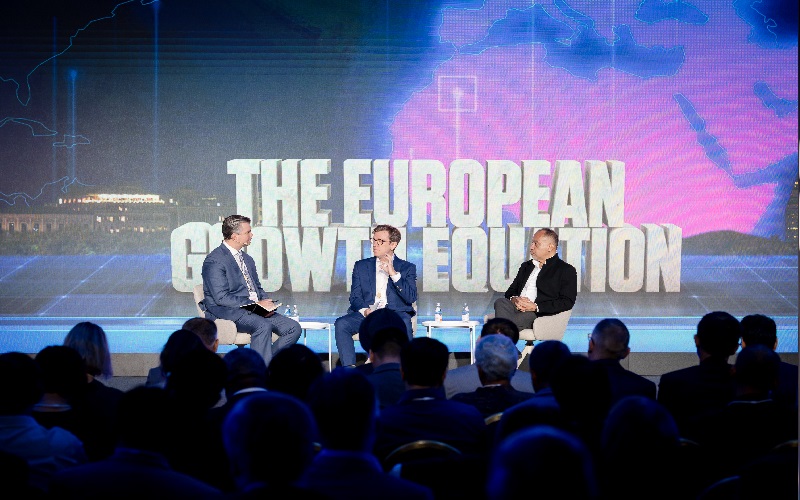
The European Growth Equation: Strategic Pathways for Resilience and Growth
Two European business leaders reveal how AI is driving their future growth
John Fergusson, Global Lead – New globalization at Economist Impact moderated a session with Enrique Rodriguez, EVP and CTO of Liberty Global, and Gonzague Noel, Group COO at Coface, who discussed strategies to navigate economic volatility by transforming their operational models through AI.
Read moreBoth companies highlighted how they have restructured their operations, prioritizing flexibility and efficiency. They felt AI technologies enable better data processing, supporting informed decisions and improved client outcomes.
For instance, Rodriguez stressed the importance in his industry of building intelligence on top of the network infrastructure. Meanwhile, Noel explained Coface’s risk management approach using data, AI, and a blend of macroeconomic and local insights.
Talent was an important part of the discussion – and both organizations have significantly shifted the skills balance across their internal teams – reducing traditional roles and replacing them with those that deliver more higher value insights.
Key takeaways from the session included:
- Businesses must adapt to constant change and uncertainty in today’s world
- Data and AI can support better risk management and resilience decisions
- Operational models are transforming
- Talent strategies should emphasize upskilling, recruiting data scientists, and fostering internal champions who are passionate and engaged with technology
Ultimately, both panelists agreed that growth in 2026 will depend on practical AI applications, developing new products, and transforming core businesses. As Rodriquez highlighted, success relies on marrying human curiosity and passion, with technological capability.
Read less


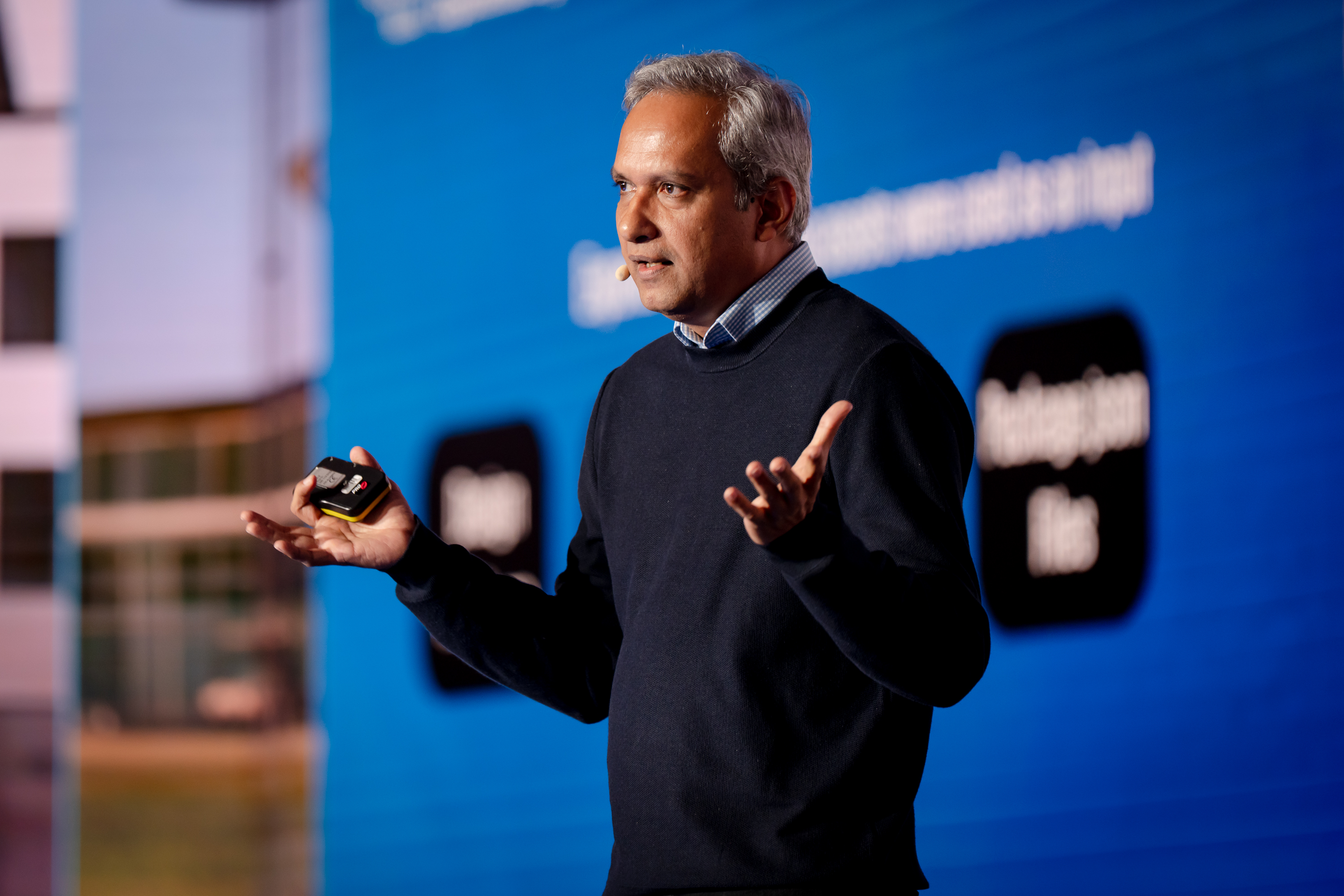
Building AI Runways for Enterprises: An Infosys Perspective
Infosys’ CTO shares how Topaz Fabric can AI your Enterprise
Infosys Chief Technology Officer Rafee Tarafdar highlighted how the company is adapting to rapid advancements in artificial intelligence (AI) and transforming its service delivery. Over the past three years, AI—especially Generative AI—has evolved from knowledge assistants to platforms capable of handling complex transactions, with payment integration on the horizon.
Read moreMr. Tarafdar outlined how the web has transitioned from simple content consumption (Web 1.0) through content creation (Web 2.0) and digital asset ownership (Web 3.0), to Web 4.0—where agents can be delegated tasks, reshaping business and IT processes. With this evolution, every layer of the enterprise stack has become more intelligent, and the heterogeneity of these platforms and technologies has added complexity.
Drawing from Infosys’ experiences, Tarafdar outlined five pillars for success in AI-driven transformation:
- Value Rails: selecting processes that deliver value
- Engineering Rails: engineering for exponential delivery
- Trusted delivery: compliance and responsible AI
- Democratization: promoting democratized access to AI through platforms
- Evolution: adapting to continual change
He introduced Topaz fabric, a unified approach to integrating feedback and innovation. In practical terms, Mr. Tarafdar illustrated how Infosys built a scalable, enterprise-grade commerce app for sustainable products in just one day using Topaz fabric, leveraging both AI agents and human engineers.
The platform supports out-of-the-box integration with leading business and data systems, offers openness to avoid vendor lock-in, and allows for customization by forward-deployed engineers to suit client environments. In short, the platform enables flexible, resilient and customizable AI development and deployment – designed to unlock and release the Enterprise AI potential of any business, anywhere.
Read less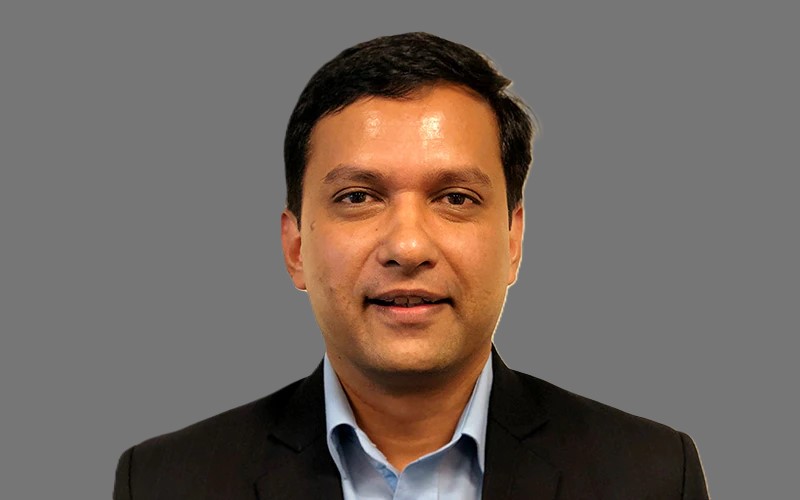
The Future of AI Oversight: Balancing Risk & Innovation
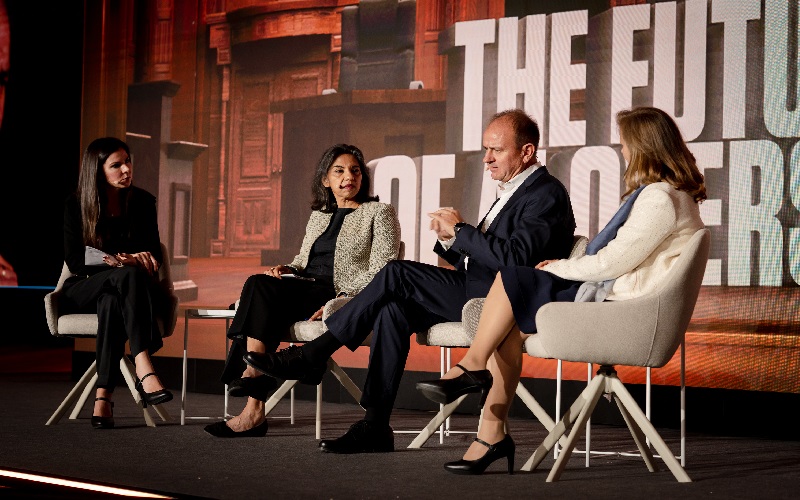
Three lawyers explain why we all need to go back to school.
After AI innovation, AI governance is possibly the most common phrase on the lips of business executives today. Dr Laura Gilbert CBE Senior Director of AI at Tony Blair Institute discussed this thorny issue with David Campos, General Counsel at Zurich Insurance, Inderpreet Sawhney, Chief Legal & Compliance Officer at Infosys and Violaine Gomar, General Counsel, CRO & CCO at AXA Group Operations.
Read moreTwo big themes arose from the discussion. Firstly, that AI Governance impacts everyone, and is to an extent, everyone’s responsibility. This is from technologists, business stakeholders, partners, and end users.
The second theme was of the complex and ever evolving legal landscape for AI and in AI litigation. All three leaders talked extensively about the challenges in keeping oversight of the various new regulations, and legal decisions coming through the courts – each with their own regional flavors.
Two critical lessons were:
- Deliver training and create awareness amongst employees of AI risks that exist now, and could emerge in the future
- Ensure strong human monitoring, both of existing AI models within an enterprise, and of the rapidly evolving technology and legal landscape
The session concluded with the message from Campos that we should all “Go back to school” Lawyers need to re-learn about technology, their business, and the law. But, added Sawhney, technologists must also learn about the law.

Speakers



Accelerating Enterprise Growth: Unlocking Value and Competitive Edge
Three giants in their field discuss how AI resilience drives growth.
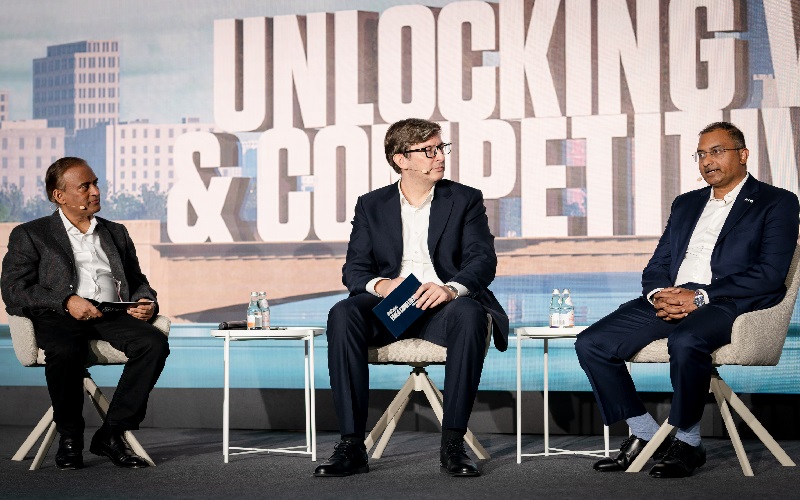
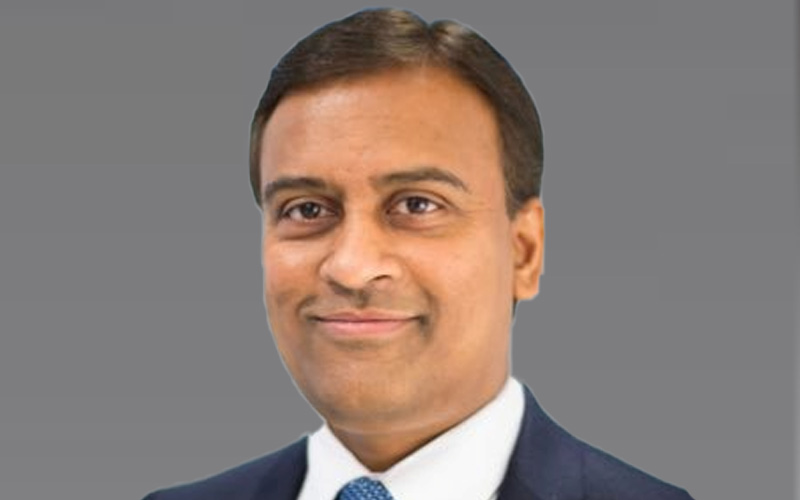
Despite the optimism for the future of AI, recent incidents, such as widespread issues caused by simple incorrect DNS entries or complex security breaches, underscore the reality many enterprises face today. Umashankar Lakshmipathy, EVP & Co-Head, CIS at Infosys opened this panel discussion with executives from Mercedes-Benz and Hewlett Packard Enterprise by explaining how the Infosys Cloud and cybersecurity practice recently launched the Agentic Change Approval Board Platform.
Read moreThis platform uses AI agents to analyze change requests, validate them, and predict impacts before deployment, supplemented by chat intelligence for real-time reasoning and response.
The Agentic Change Approval Board does three things:
- Prevents errors at the first attempt when changes are made
- Reduces the time required to detect and resolve problems, thereby improving mean time to resolve
- Accelerates fulfilment of service requests to enhance speed to market.
Focusing on this theme of resilience, Vlado Koljibabic, Director IT Infrastructure Operations & Head, Business Accelerator at Mercedes Benz, which operates around 40 factories worldwide, explained how the auto manufacturer uses AI across business functions—from IT and production to customer communication. By rigorously analyzing processes and data, the company uses AI to deliver instant responses, enable predictive capabilities, and prevent issues like costly production downtime. AI also supports continuous improvement in quality and operational efficiency.
Mayur Bharath, VP & Global Head, GSI Partner Ecosystem at HPE, emphasized his company’s strategy to focus on generative AI, agentic AI, and physical AI, supported by distributed learning across compute, storage, and network. He mentioned how the acquisition of Juniper Networks has empowered HPE to develop a cloud-native AI infrastructure stack with self-healing and predictive network capabilities. This infrastructure prioritizes data quality and security, ensuring robust models and autonomous operations.
The panel forecasted a shift from reactive to proactive AI, with self-healing infrastructures that prevent disruptions and enable rapid recovery. Mercedes-Benz is already applying automation such as AI-driven paint inspections, improving maintenance while reducing manual work. Human–machine collaboration remains vital, with AI enhancing teams and processes.
Speakers

Impact AI Session: Navigating Enterprise AI
A global shipping giant shares its AI wisdom.
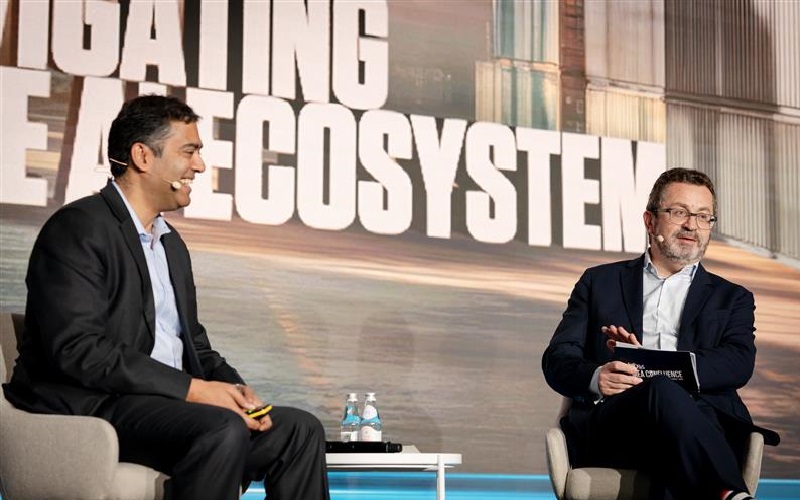
In a compelling discussion Laurent Karoly, SVP, Deputy Group CITO & CIO Shipping at CMA-CGM and Ambeshwar Nath EVP & Industry Head, CRL at Infosys offered an inside look at their successful collaboration to drive artificial intelligence adoption in the global logistics industry.
Read moreKaroly reflected on CMA CGM’s journey from initial robotic process automation (RPA) initiatives to their current AI-first strategy, emphasizing the importance of foundational technology, skills development, and strategic, including with Infosys.
He also addressed the need for robust AI governance and fostering trust, noting that successful AI adoption depends on cross-training teams, strengthening data foundations, and making AI accessible to all levels of the organization.
Six critical enablers for successful Enterprise AI were listed by Karoly:
- Data foundations must be in place for AI to work effectively
- Business teams must take the lead not technologists
- Re-think, simplify and transform processes with the business leaders
- Build trust in the technology through human involvement and oversight
- Sustainability should be central to strategy
- Compliance with regulations is a must to ensure ethical practices
With 90% of trade taking place by sea, it has been these rules that Karoly has used to ensure Enterprise AI has been delivered properly and resiliently through the partnership with Infosys.
Speakers


Navigating a Green Future: Shaping Europe's Energy Transformation
How to emerge stronger through a commitment to the future.
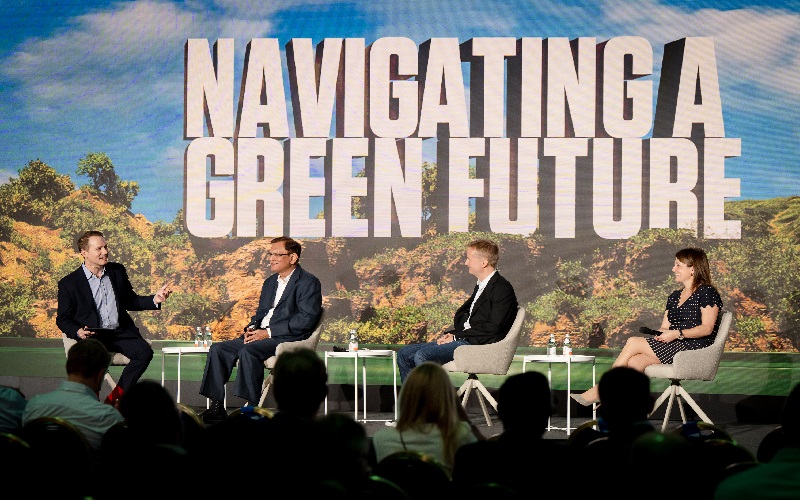
Leaders from the cement, logistics, and circular economy sectors gathered to confront the evolving landscape of corporate sustainability. The panel, moderated by Jonathan Birdwell, Global Head, Policy & Insights at Economist, featured Samie Cairae CTO at Titan Cement Group, Petteri Naulapää CIO & SVP, ICT & Digitalization at Posti Group, and Jonquil Hackenberg CEO at Ellen MacArthur Foundation.
Read moreDespite economic headwinds and shifting political landscapes, the panelists stressed the need for resilient leadership and long-term thinking. They underscored the enduring value of sustainability, not just as a compliance requirement, but as a core driver of competitive advantage and future growth.
They also described how each of their organizations are navigating obstacles—ranging from decarbonization and supply chain reengineering to leveraging artificial intelligence for greater efficiency and innovation.
Key lessons from the discussion included:
- Sustainability as Strategy: Companies integrating sustainability into their core strategy—not just for reporting or ratings—are better positioned to thrive long term
- Dual Focus on Profit and Purpose: Profitability and sustainability are not mutually exclusive; both can be achieved together with the right values and technology
- Technology as an Enabler: Advanced data analytics and AI are crucial tools for optimizing operations, developing new materials, and achieving both environmental and financial goals.
- Embracing Circularity: Circular business models, such as re-commerce and product-as-a-service, can unlock new revenue streams and reduce waste, especially with supportive policies
- Resilient Leadership: The Finnish concept of "sisu"—inner strength and perseverance—was highlighted as essential for leaders navigating uncertainty and driving long-term transformation
- Positive Communication: Framing sustainability as an economic and resilience issue, rather than a partisan debate, helps build broader consensus and momentum for change
Panelists agreed that while the short-term outlook for sustainability may appear clouded, those organizations that remain steadfast in their commitment to decarbonization and innovation will emerge stronger. By aligning purpose with action, and leveraging technology as a force for good, business leaders are lighting the way toward a sustainable and competitive future.

Speakers


Engineering Intelligence: Embedding AI into Enterprise Innovation
Putting customer value at the center of AI innovation and ROI
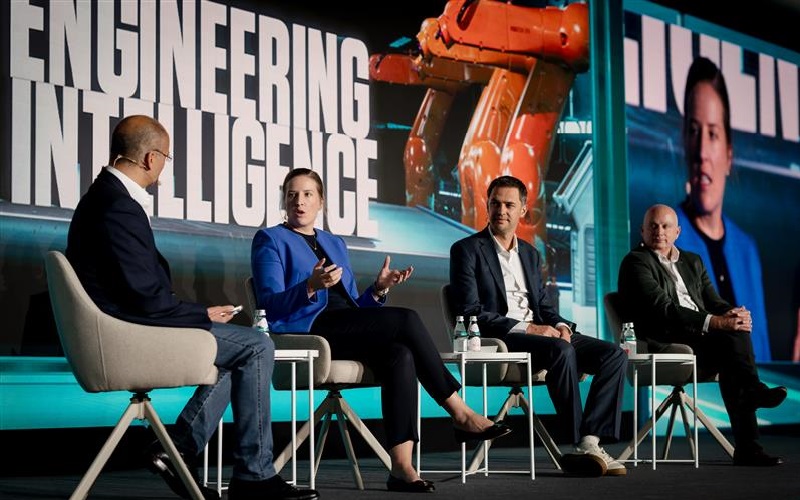
Cyrus Mewawalla, Head of Strategic Intelligence at Global Data, hosted a lively discussion with Elin Sandnes, COO & Group EVP- Tech & Services at DNB, Steve McKenna, CTO of Musgrave Group, and Luk Bruynseels, CTO of Telenet. Focusing on how AI is embedded in each company’s innovation practices, Mewawalla also asked the panel how AI shapes innovation, impacts their workforce, and how they track ROI on AI initiatives.
Read moreThe key themes that came out of the discussion were as follows:
- Focus on the customer need and innovate for them
- Start with the business problem, not the AI solution
- Empower employees to lead on AI innovation
- Identify the leaders of the future for AI transformation
The panel concluded with a reminder to leaders: as stock markets fluctuate and AI’s hype cycle continues, a clear, evidence-based narrative justifying AI investments is more important than ever.

Speakers



Leadership Rewired: Governing with Agility in the Age of AI
New thinking on steering Boards through the AI era.
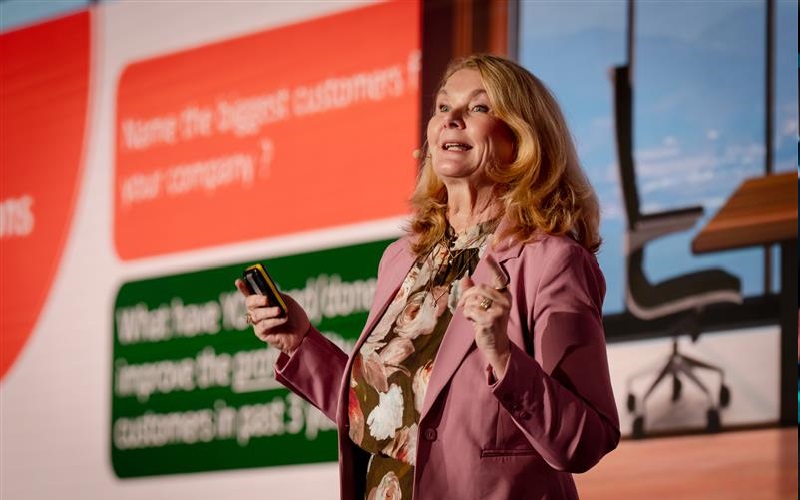
In a world where transformation is relentless, Sanna Suvanto-Harsaae, Chairman of the Board of Finnair stands out as a pragmatic force guiding corporations through change. With dual Finnish and Danish roots and a career spent at the helm of both consumer and B2B boards, Sanna has witnessed crises from the dot-com bubble to the digital surge—and now, the onset of the AI age.
Read moreAddressing the EMEA Confluence 2025 audience, Sanna immediately challenged C-level leaders to know their core customers and reflect on the value they bring. Her conviction: “Customers are your only focus—they bring the money.”
She urged executives to think beyond their support functions and to consider how their actions directly enhance profitability. Boards, she observes, are eager yet frustrated by AI’s slow pace of adoption. Many struggle with outdated data management and the underutilization of talent.
Takeaways from her engaging Q&A session with audience members included:
- Attracting AI Talent: Sanna suggested recruiting from Nordic countries, where there is an abundance of engineers, and noted that motivation and interest in impactful work often outweigh salary considerations for top AI talent
- Addressing Fear-Based Leadership: She recommended addressing fear individually, building trust, and using change management techniques such as games to foster engagement and reduce anxiety
- Making Boards More Agile: Sanna advocated bringing real-life perspectives into board meetings, measuring employee satisfaction, and using meaningful, numeric performance metrics rather than vague or short-term targets.
- Who Advises Boards: She observed that the best advisors are individuals who understand the client’s core business issues and are willing to challenge the status quo, regardless of whether they come from established consultancies or new AI firms.
- Role of CIOs and CTOs: Sanna called on IT and digital leaders to step up, take ownership, and move from support roles to leadership positions in AI initiatives.
She warns that leadership—not technology—is the real challenge. Only 10–20% of company data informs decision-making today, and more data does not guarantee better decisions. Instead, leaders must cultivate focus, simplify complexity, and empower cross-functional collaboration.
Finally, she cautioned IT leaders that they are not yet making enough noise for the board to take notice of them: “If you don’t step up and lead AI, someone else will.
Read less
The Never Normal: Leading in the AI Age
Learning to love uncertainty.
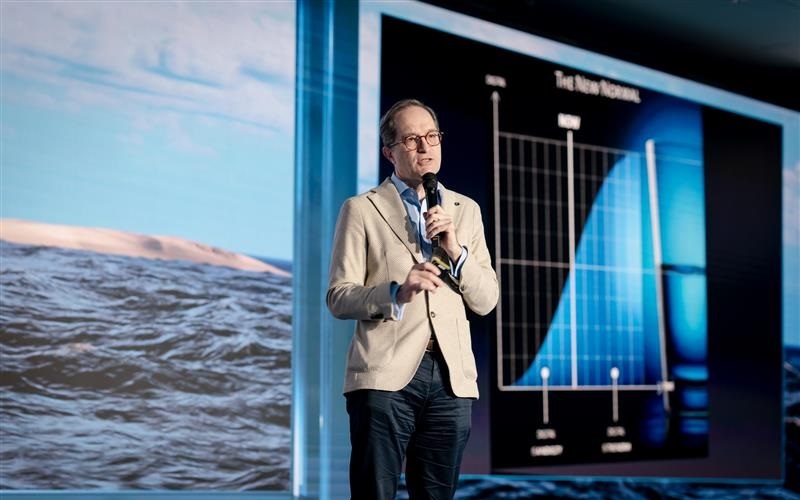
Renowned technologist, author and academic, Peter Hinssen, began the final day of the EMEA Confluence with a thought-provoking keynote exploring the unpredictability of change, and the organizational mindset required to thrive amid uncertainty and fast pace of the AI era.
Introducing the concept of the ‘never normal,’ Hinssen argued that perpetual disruption is now the status quo.
Read moreHe challenged attendees to consider whether recent upheaval is a passing storm or the advent of a fundamentally altered climate, quoting Voltaire: “Uncertainty is an uncomfortable position, but certainty is an absurd one.”
Rather than fearing ongoing ‘polycrisis’—overlapping and continuous crises—Hinssen encouraged organizations to see uncertainty as fertile ground for innovation. He stressed the declining cost of experimentation and the growing risk of inaction, calling for a shift from “yesterday’s logic” to future-focused action and information agility.
Hinssen’s key messages to the audience included:
- Uncertainty is now a permanent feature of the business landscape—embrace it as an opportunity, not a threat.
- Speed, experimentation, and discarding outdated practices are essential for thriving in the ‘never normal’.
- Courage and proactive narrative-building, not just technology, are key to shaping the future.
His speech outlined a ‘Holy Trinity’ for modern organizations: anticipation, adaptability, and resilience - urging leaders to prioritize long-term, “day after tomorrow” innovation over short-term demands.
The call to action? Resist passivity, embrace change, and “learn to love uncertainty” in order to prosper in the never normal world.
Read less
What If the Next Humanitarian Hero Was a CEO?
The importance of commercially sustainable CSR
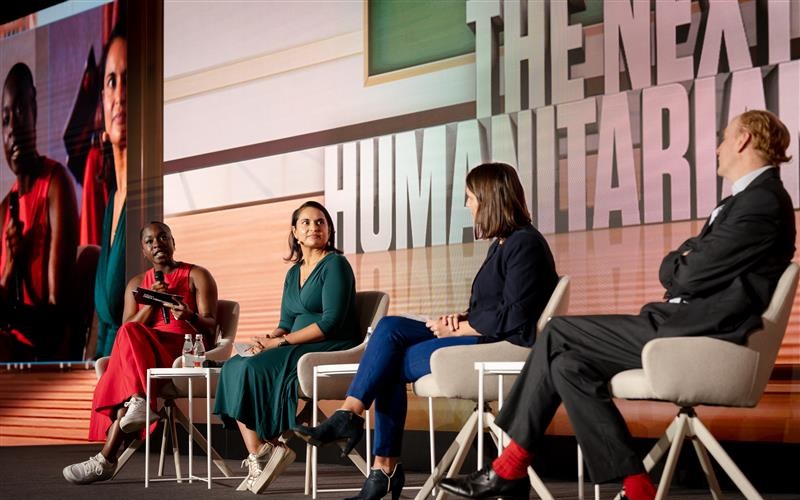
Merinda Owusu, Infosys’ head of CSR for UK & Europe, lead a heartfelt panel discussion with Gemma Connell, Chief of Assessment, Planning & Monitoring Branch, UN OCHA, Payal Dalal, EVP, Global Programs at Mastercard, Tom Dannatt, Founder & CEO at Street Child.
Read moreThe session explored pathways for meaningful corporate involvement in global crises, the value of cross-sector partnerships, and the transformational potential of technology. Insights from the panel highlighted the current humanitarian landscape, practical examples of collaboration, and strategies for making lasting change, including:
- Business-led social impact should be commercially sustainable and integrated into core strategy.
- Effective partnerships require trust, respect, and open communication between sectors.
- Technological innovation, especially AI, can help bridge gaps in humanitarian and development contexts.
- Targeted, multidimensional collaborations have significant potential to transform lives in crisis situations.
- Genuine commitment and shared purpose are vital for achieving lasting change.
Connell set the stage with a sobering overview of the current humanitarian landscape, noting that over 300 million people globally require assistance amidst declining support and increasing risks for aid workers. She highlighted the importance of hope and personalized the crisis with stories from Gaza and Haiti.
Dalal continued by outlining her MasterCard’s approach to social impact, emphasizing the integration of philanthropic activities into commercial strategy to ensure resilience and sustainability. She shared MasterCard’s ambition to bring one billion people into the formal financial system, demonstrating how business objectives and social good can be aligned.
Street Child’s Dannatt elaborated on NGO-corporate partnerships, describing their work in fragile contexts. He stressed the value of multidimensional collaborations that go beyond funding to include technological support and shared values, with successful examples from partnerships with Infosys and Liberty Global.
The session closed with an invitation for organizations interested in making a social impact to reach out to the panel members. Owusu offered the audience members assistance in shaping impactful partnerships and encouraged attendees to connect with Infosys representatives for further collaboration. The panel thanked the audience for their participation and reiterated the importance of collective action in addressing global humanitarian challenges.

Speakers



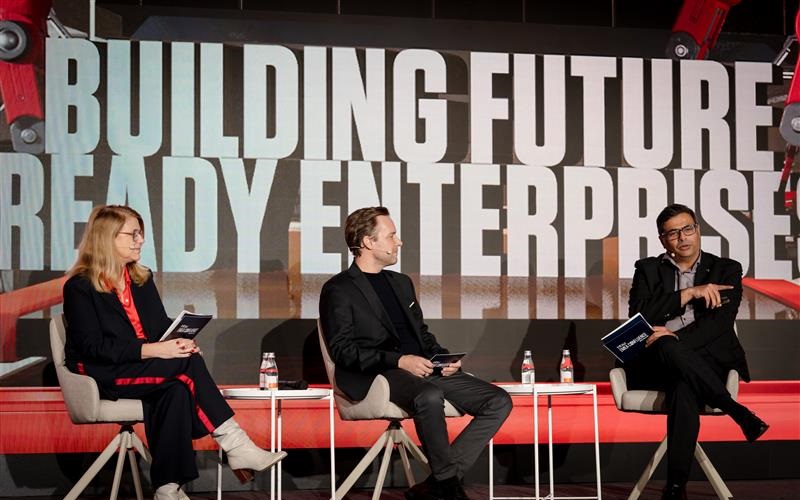
Impact AI Session: Future-Ready Enterprises: From Smart Manufacturing to Digital Ecosystems
Exploring AI Innovations in Manufacturing and Automotive Industries
Ruchir Budhwar, EVP & Industry Head at Infosys focused on the transformative impact of artificial intelligence (AI) in manufacturing, logistics, and service operations – speaking with Sebastian Oberst, Head of Corporate IT & Governance at TK Elevator and Inge Meeusen, Head of IT&D – Manufacturing, Logistics & Quality at Toyota Motor Europe.
Read moreThe wide-ranging conversation covered the following key areas:
- AI and digital technologies are central to modernizing manufacturing and service operations in both elevator and automotive industries.
- Long-term partnerships with technology providers, like Infosys, are critical to successful transformation.
- Service and modernization represent significant business opportunities, with digital platforms improving safety, efficiency, and customer experience.
- Legacy systems present transformation challenges, requiring careful, strategic evolution to maintain business continuity.
- Both companies are prioritizing user experience and automation, leveraging AI to streamline IT operations and supply chain management.
Oberst outlined how TK Elevators is adopting an “AI-first mindset”, beginning with IT and automation, and extending these learnings across the business. Key projects include the automation of IT operations, the deployment of digital employees to resolve incidents, and the development of autonomous help desks, all aimed at elevating user experience and reducing manual intervention.
Meeusen from Toyota shared perspectives on legacy modernization within the automotive sector, particularly the challenges posed by large, complex mainframe landscapes in parts supply chain and after-sales operations. Toyota’s partnership with Infosys spans 17 years, fostering deep collaboration in Brussels. Meeusen described the vast scale of Toyota’s European parts supply chain system, which handles 460,000 parts daily and is deeply embedded in day-to-day operations. Despite its robustness, the system faces growing pain points around manual processes and limited analytics, prompting the need for rapid but intelligent transformation to align with Toyota’s 2030 supply chain vision.
The dialogue concluded with a forward-looking perspective, urging attendees to stay curious, embrace innovation, and foster stronger networks both within and beyond their immediate circles.

Speakers


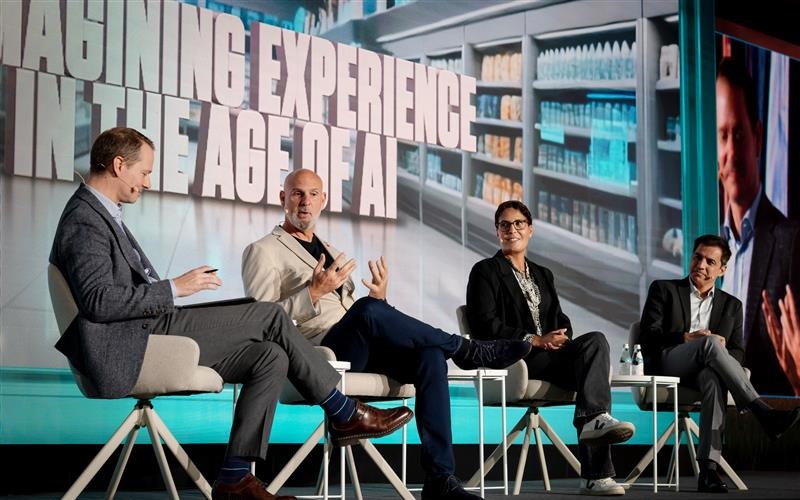
Reimagining Experience in the Age of AI
How Organizations Are Transforming Customer and Fan Engagement in a Digital-First Era
Jonathan Birdwell, Global Head of Policy & Insights at Economist Impact, brought together Jeff Dodds, the CEO of Formula E, Sumit Virmani, EVP & CMO of Infosys and Fiona Humphreys, CDO at E.ON UK to explore how AI is reshaping customer experience, expectations, and participation across sectors—from motorsport to energy.
Read moreThe discussion focused on three core themes:
- AI as a catalyst for reimagining engagement, not just improving efficiency
- The shift from passive audiences and customers to active, informed participants
- The growing need to balance automation with human empathy and trust
Dodds explained how Formula E is redefining fan experience by pairing heritage motorsport culture with cutting-edge electrification and AI-driven innovation. The sport’s younger, more diverse fan base expects experimentation and continuous reinvention. He explained how Infosys and Formula E have used generative AI and data insights to deliver a new generation with a deeply engaging digital experience.
Similarly, Virmani walked the audience through how Infosys worked with the Roland-Garros tennis tournament, to enable millions of fans worldwide to engage with the marketing of the event by using generative AI to let them design their own posters for the tournament based on Paris landmarks.
On the other hand, Humphreys described how customers are no longer passive bill payers. The transition to cleaner energy requires active consumer involvement, supported by transparency and personalized guidance. AI tools like E.ON’s “Billy” are helping customers better understand energy usage and billing — while freeing human staff to focus on empathy and support.
The panel highlighted how success will depend on how effectively organizations combine technology, human sensitivity, and cultural readiness—ensuring innovation enhances trust, participation, and meaningful experiences.
Read less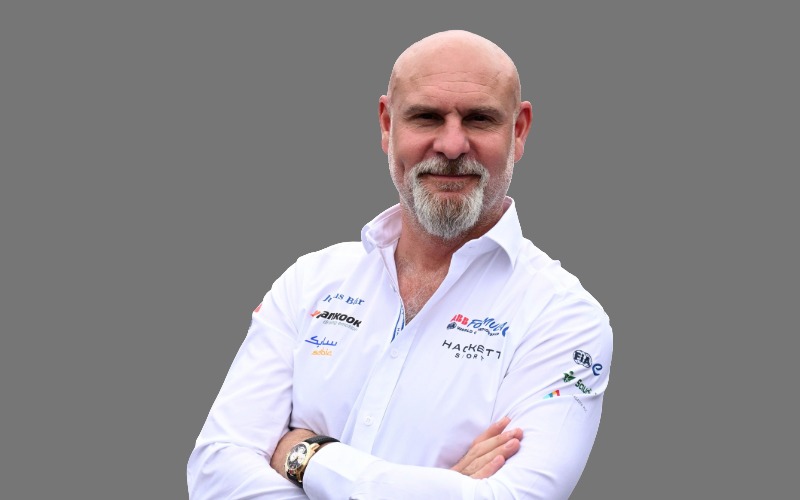

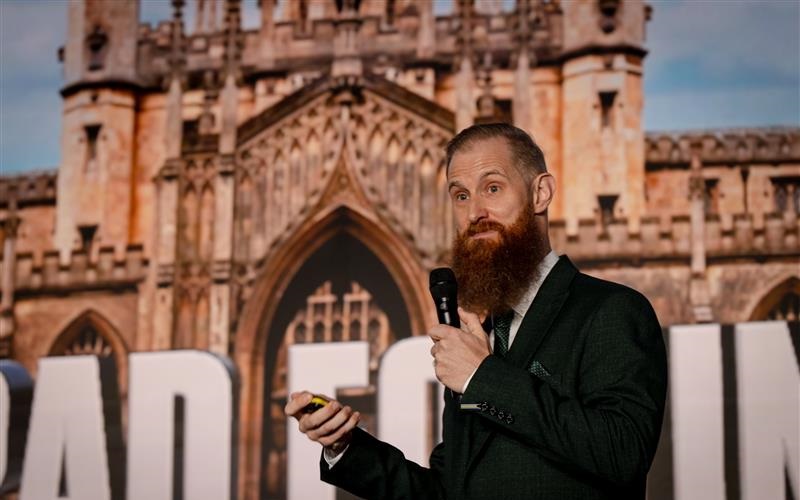
Harnessing AI to Transform Science and Business
The future of AI form Infosys-Cambridge Enterprise AI Centre
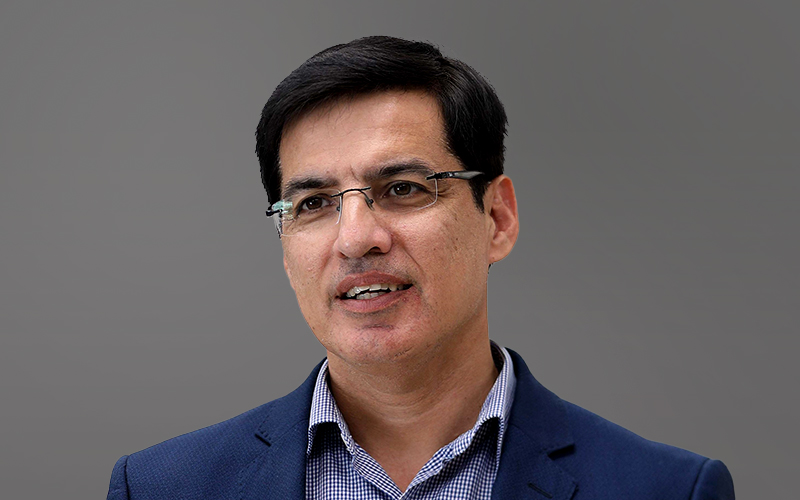
Professor James Fergusson, a theoretical cosmologist and celebrated lecturer from Cambridge University, focused on how AI is reshaping the landscape of scientific research and innovation from his perspective as the Executive Director, Data Intensive Science & Infosys-Cambridge AI Centre - Cambridge University.
Read moreThe talk focused on how:
- Exponential advances in compute and data are the true drivers of AI progress.
- Paradigm shifts in AI arise from surpassing compute thresholds, not just novel ideas.
- Agent-based AI systems enable automated, multi-step research and business processes.
- AI systems like Cambridge’s Denario now outperform humans in building effective AI solutions.
- Partnership between subject-matter experts and AI specialists is crucial for future success.
Fergusson began by charting the exponential growth in computing power as described by Moore’s law, noting that computers are now a billion times more powerful than in the 1960s. This surge not only multiplies computation but also accelerates data generation, fueling the rise of machine learning. These twin exponentials, he explained, have led to regular paradigm shifts in AI, with key breakthroughs such as convolutional neural networks in 2012, Transformers in 2017, and large language models (LLMs) in subsequent years.
He highlighted that these leaps are driven not just by brilliant ideas, but by the predictable consequences of increasingly available compute. As a result, AI systems have moved from simple pattern recognition to sophisticated agent-based architectures. Fergusson discussed how agents, built atop foundation models, can be given specialized ‘roles’—from coding to document analysis—enabling multi-agent teams to tackle complex scientific and business challenges.
A showcase project, Denario, demonstrates this in practice. Developed with Infosys and global collaborators, Denario automates the entire scientific research workflow, from literature review to paper writing and peer review. Fergusson revealed Denario outperformed over 200 teams of expert machine learning scientists, marking the first time an AI system has surpassed humans in creating AI itself.
Fergusson concluded by emphasizing the need for cross-disciplinary partnerships between domain experts and AI engineers, as future advances will depend on collaborative problem-solving. He encouraged participants to engage in workshops and collaborative projects to stay ahead in the rapidly evolving AI landscape.
Read less
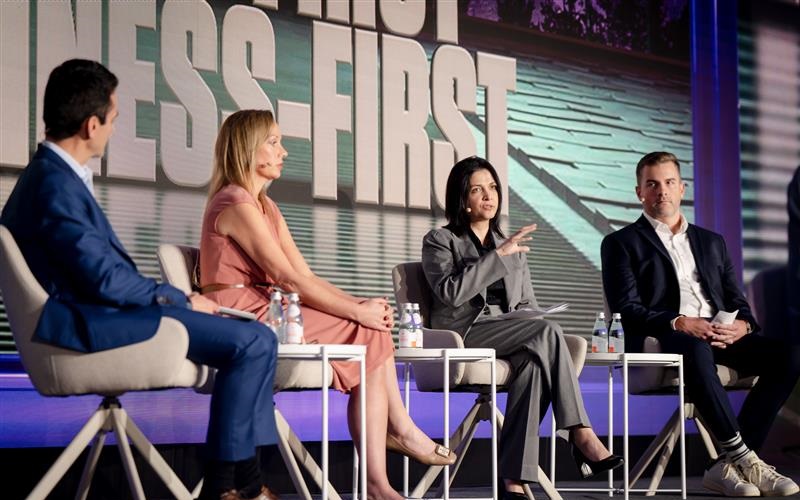
Security-First is Business-First
Enabling Digital Transformation with Confidence
Moderated by Julien Escribe, Partner & Managing Director, SEMEA of ISG, this discussion featured insights from Sarah Armstrong-Smith, former Chief Security Advisor, Microsoft-EMEA, Françoise Russo, Chief Technology Officer, Aramex, and Benjamin Stewart, Business Information Security Officer at Avon International.
The discussion emphasized the growing significance of security as a core business differentiator, particularly in an era marked by cloud adoption, global crises, and fast-paced technological change.
Read moreKey takeaways included:
- Security must be an integrated part of business strategy, not an afterthought.
- AI and AR technologies increase the need for robust data protection and GDPR compliance.
- Transparency and clear communication demystify cybersecurity for customers.
- Embedding security by design accelerates both innovation and compliance.
- The human factor and organizational culture are as important as technical controls.
- Emerging risks include legacy system integration, AI-driven scams, and quantum computing.
Armstrong-Smith emphasized integrating security into all business functions and building trust. Stewart outlined Avon’s security-first approach to AI and AR, especially for GDPR compliance with biometric data. Russo underscored demystifying cybersecurity for customers through transparency, certifications, and third-party audits.
The conversation then turned to balancing compliance with innovation. Panelists agreed that security should be embedded in every stage of product and service development—a “secure by design” approach.
Stewart also highlighted the effectiveness of targeted interventions over broad training. Panelists agreed that technology matters, but human behavior and company culture are vital for cybersecurity success.
The session concluded with a consensus on the most pressing future trends: operational technology risks, sophisticated AI-driven threats, and the impending influence of quantum computing.
Moderator
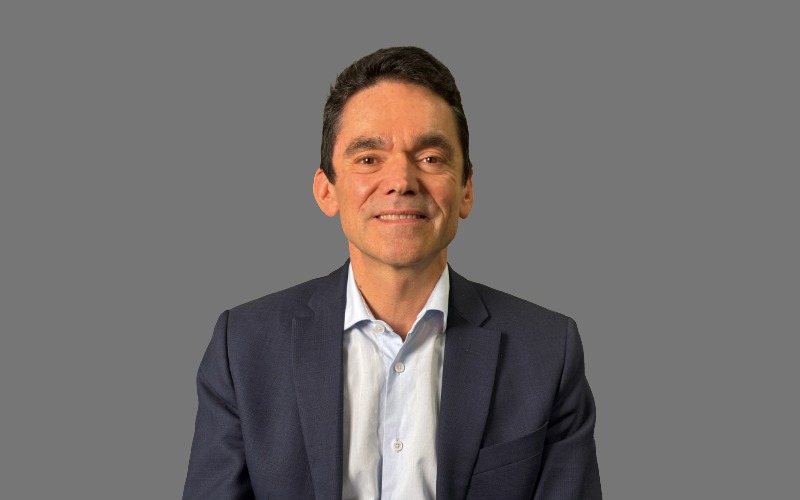
Julien Escribe, Partner & MD, SEMEA, ISG
Speakers



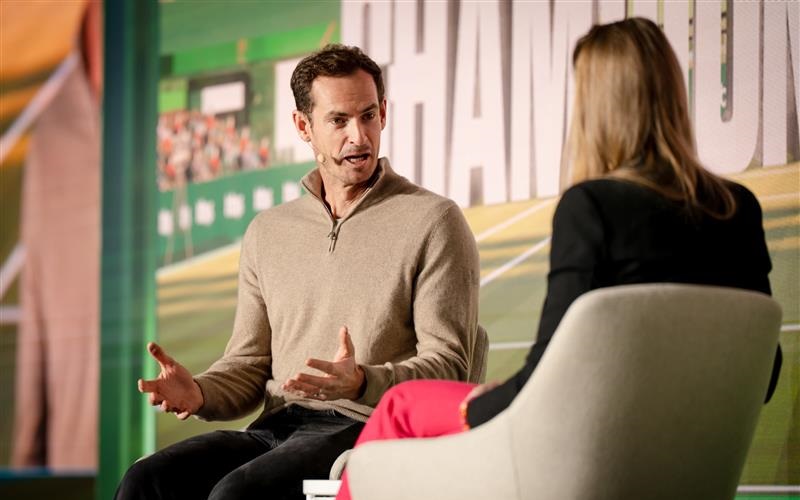
Championing Change: Leadership Lessons from Center Court
A fireside chat with Andy Murray
Andy Murray, celebrated as a three-time Tennis Grand Slam champion and an Olympic gold medalist, captivated the audience at EMEA Confluence during an insightful fireside chat. The conversation explored his remarkable journey from the pinnacle of elite tennis to the exciting new ventures and personal pursuits that define his life beyond the court.
Read moreKey points included:
- The transition from tennis to post-career life requires adaptation and openness to new experiences.
- Family has become Murray’s central focus, shaping his routine and priorities.
- Resilience comes from consistently showing up and learning from setbacks.
- There is no single formula for success; hard work, support, and adaptability are vital.
- Tennis continues to evolve, with technology and data analytics playing an increasing role.
Reflecting on his tennis journey, Murray discussed the apprehension he felt as he left the sport and the relief and satisfaction he’s found in this new phase, highlighting the importance of pushing himself to his limits and feeling no regrets about leaving the game. He spoke candidly about the psychological and physical hurdles of professional sport and retirement, crediting his family and personal resilience for helping him navigate difficult moments both on and off the court.
The conversation explored the impact of technology and analytics on tennis, with Murray noting the sport’s slow adoption of data compared to others. He praised the value of learning from rivals like Federer, Nadal, and Djokovic, while emphasizing that there are many ways to achieve success.
The session concluded with audience questions about his favorite shot, the influence of his mother as a coach, definitions of success, charitable work, and how he builds resilience. Murray finished by expressing enthusiasm for exploring new ventures and prioritizing family in this next chapter of life.
Read less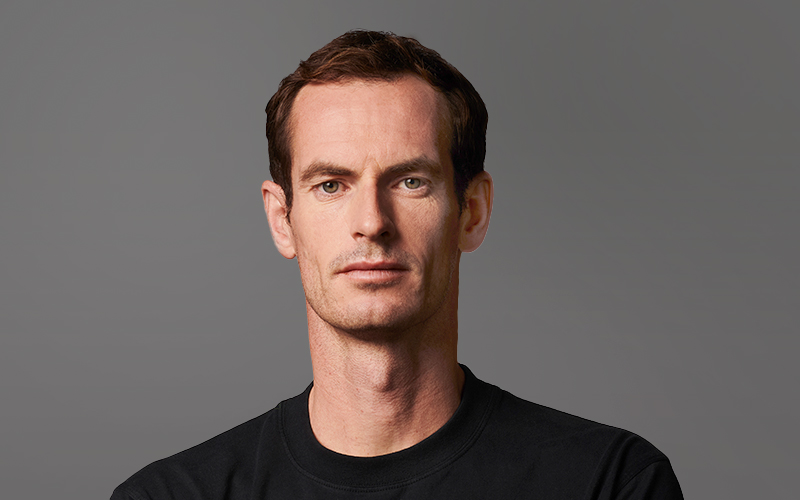

Strategic Governance: The Key to Enterprise AI Success
AI is reshaping industries, but how can enterprises govern it effectively to unlock its full potential? This report highlights the critical role of strategic governance in scaling AI responsibly and driving measurable business outcomes.
On day 2, Salil Parekh, CEO & MD of Infosys, will open the event with insights on how enterprises can embrace AI to transform their operations and achieve sustainable growth. Don’t miss this session to learn how AI can power your enterprise.
Stay tuned for live updates during the event!

AI at the Intersection of Science and Business
AI is driving breakthroughs in both scientific research and business innovation. This video explores how the Infosys-Cambridge Enterprise AI Center is advancing data-intensive science and solving complex business challenges.
On day 3, Prof. James Fergusson from Cambridge University will share insights on how AI is transforming industries and accelerating scientific discovery. Join this session to learn how cutting-edge AI research is shaping the future of science and enterprise.
Stay tuned for live updates during the event!

Navigating the Enterprise AI Ecosystem
AI is transforming industries, but how can businesses unlock its full potential? This report highlights how enterprises can harness AI to drive measurable value and navigate complex ecosystems.
On day 2, Laurent Karoly from CMA-CGM will share insights on leveraging AI to optimize operations and create business impact. Join this session to explore how enterprises can successfully integrate AI into their ecosystems and stay ahead in a competitive landscape.
Stay tuned for live updates during the event!

Reimagining Customer Experience in the Age of AI
AI is redefining how businesses engage with customers and deliver value. This report explores emerging trends in customer experience and how CMOs are adapting to an AI-driven world.
On day 3, Jonathan Birdwell from Economist Impact will moderate a discussion with Jeff Dodds of Formula E and Sumit Virmani of Infosys. Together, they’ll share insights on how AI is transforming customer experiences and reshaping marketing strategies. Don’t miss this session to learn how to stay ahead in the AI era.
Stay tuned for live updates during the event!

Impact AI: Driving Transformation Across Industries
AI is revolutionizing industries, but how can businesses harness its potential to create real impact? This report explores how AI is shaping the future of industries and driving innovation at scale.
On day 2, Rafee Tarafdar, EVP & CTO of Infosys, will share insights on how enterprises can strategically adopt AI to transform operations and deliver measurable outcomes. Join this session to discover how AI can be a game-changer for your business.
Stay tuned for live updates during the event!

Balancing Risk and Innovation in AI Oversight
As AI adoption accelerates, how can organizations balance innovation with responsible oversight? This report examines how businesses can implement ethical AI practices while driving growth and innovation.
On day 2, Dr. Laura Gilbert CBE from the Tony Blair Institute will moderate a discussion with Inderpreet Sawhney of Infosys and David Campos of Zurich Insurance. Together, they’ll explore strategies for managing AI risks while fostering innovation. Don’t miss this session to gain actionable insights into the future of AI governance.
Stay tuned for live updates during the event!

