Digital inclusion requires more than connectivity.
Equitable access depends on digital skills, relevant education pathways, and locally meaningful content that enables communities to participate fully in the digital economy.

Infosys’ purpose is to amplify human potential and create the next opportunities for people, businesses, and communities. For us, community impact is not a peripheral responsibility, but a direct expression of what we stand for.
2,62,000+ employee volunteering hours in FY26
We live in an era defined by rapid technological advancement. AI, blockchain, genomics, and other emerging technologies are reshaping industries, redefining livelihoods, and creating new possibilities for problems that were once considered intractable. As an IT company at the forefront of this transformation, we are dedicated to turning that progress into real impact and promoting technology for good in our communities.
Our vision is to transform and create sustainable communities through Tech for Good initiatives, job creation, and Corporate Social Responsibility (CSR) efforts, including employee volunteering, healthcare interventions, and women’s empowerment.
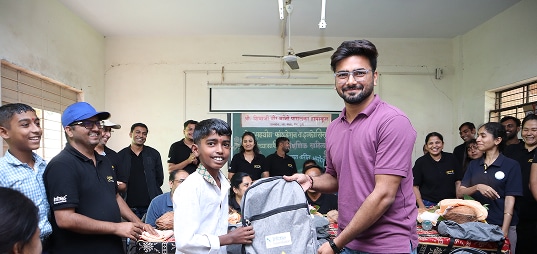
Our CSR work has translated into long-term impact for many communities.
Our CSR work is executed through Infosys Foundation, Infosys Foundation USA, and CSR wings in the EMEA and APAC regions in collaboration with employee volunteering groups. It is also implemented through several community initiatives run by employee volunteering groups across global locations.
Infosys Foundation, which completed three decades in corporate social responsibility in fiscal 2026, works to create opportunities and build a more equitable society. It supports programs in the areas of skilling and livelihood, healthcare, women empowerment, and environmental sustainability, among others. Some of the key initiatives this year were:
Launched on October 1, 2024, the Infosys Springboard Livelihood Program aims to enable half a million job seekers in India to gain meaningful employment by 2030.
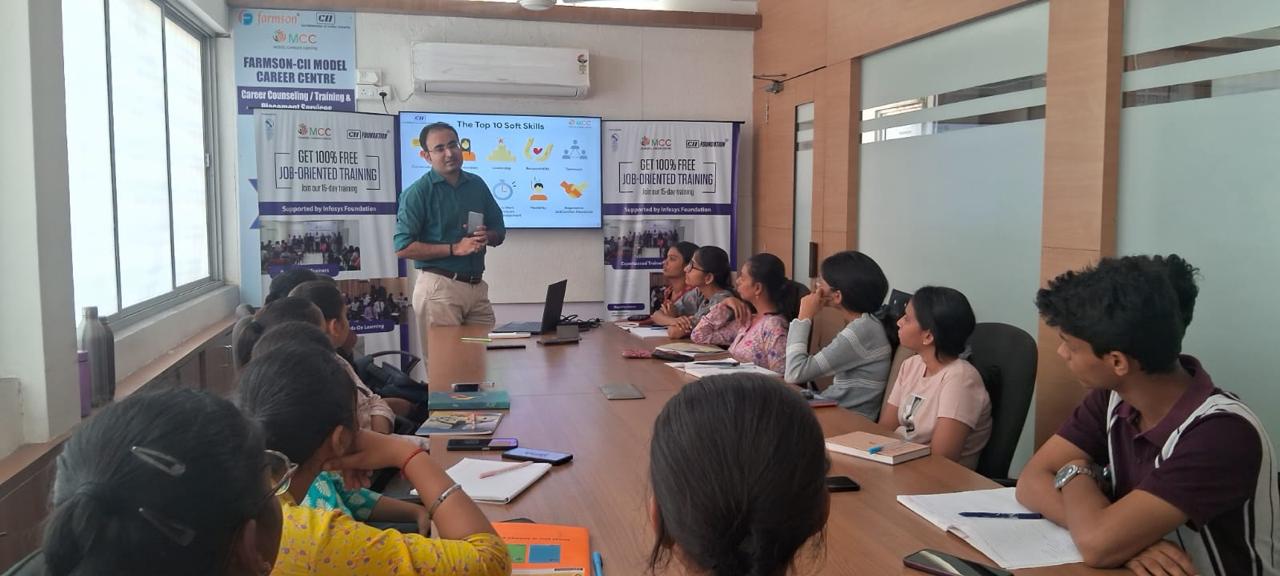
Infosys has tied up with 20 partners to enable job creation in both STEM and non-STEM industries.
The program has multiple implementation partners working across rural areas, tribal regions, aspirational districts, urban slums, technical and skilling institutes, and colleges.
The Infosys Foundation Springboard Livelihood Program focuses on job creation for both graduate and undergraduate youth across STEM and non-STEM industries. The program will also provide, through Infosys Springboard, additional industry-relevant curricula in cutting-edge technologies such as artificial intelligence and machine learning, as well as in functions such as digital marketing and finance.
Employment opportunities are provided in technology, manufacturing, retail, sales, customer support, operations, BFSI, renewable energy, and service sectors. Many roles are within home districts, reducing migration. While entry-level wages average ₹2,00,000 per year, they provide stability, dignity, and independence.
Inclusion is also a focus area, with the program supporting women from economically weaker households, youth from aspirational districts, persons with disabilities, transgender persons, and first-generation earners.
Every program, whether UNXT, GEET, Project Sampann, Skill Up, Yuva Junction, Finishing School for Employability, AI and Life Skills, or ITI-focused skilling, emphasizes employability and employment.
Since inception, the program has enabled job offers to
2,22,000+ youth
Avoidable corneal blindness remains a significant yet preventable cause of vision loss in India, disproportionately affecting people in rural, remote, and underserved regions. Through a combination of system-level strengthening, early detection, and targeted surgical care, Infosys Foundation supports partners in building a more accessible, integrated, and equitable cornea care ecosystem.
The Foundation has partnered with the LV Prasad Eye Institute (LVPEI) for the Universal Cornea Care Mission. It is designed to strengthen cornea care delivery from early detection and treatment / surgery to eye banking and long-term follow-up. The project commenced on January 1, 2025, as a pilot initiative to build durable clinical, technological, and institutional capacity to ensure affordable and accessible cornea care at scale. It is being implemented across Andhra Pradesh, Odisha, and Telangana.
15,911
Corneas harvested in FY26
Project Cornea - Corneal Blindness Screening and Treatment Initiative, implemented by Vivekananda Netralaya, a part of Ramakrishna Mission Ashrama, Dehradun, with support from Infosys Foundation, adopts a structured model for early identification, referral, and comprehensive treatment. The initiative began in August 2025 and is planned to run for three years, focusing on underserved populations in Uttarakhand (Garhwal region) and adjoining districts of Western Uttar Pradesh, Haryana, and Himachal Pradesh.
2,28,000+
Students screened in FY26
The Foundation has also partnered with Saksham Change Maker, Sankara Eye Foundation, Lepra Society, Sankara Nethralaya, Sri Keshava Trust, Sri Ramakrishna Sevashrama, Susrut Eye Foundation & Research Centre for several eye care initiatives.
Infosys Foundation partnered with The Banyan from January 2024 to March 2027 to support operational expenses for NALAM — a community-based mental healthcare model that delivers holistic biopsychosocial services to vulnerable populations across Tamil Nadu, Maharashtra, Madhya Pradesh, and Odisha.
Progress so far:
Infosys Foundation partnered with the Centre for Cellular and Molecular Platforms (CCAMP) for Project Early Life. The initiative aims to strengthen maternal, fetal, and newborn healthcare in Karnataka using innovative, indigenous medical technologies.
As of November 2025:
In Noida, Infosys Foundation partnered with Sakha Ek Pahal, which empowers women in traditional crafts such as knitting and crochet. The project offers vocational training, and through it, the women find economic independence and self-respect, transforming them into skilled artisans and micro-entrepreneurs. Currently, 85 women are onboarded to this program.
Meanwhile, in Dharmavaram in Andhra Pradesh, Infosys Foundation and Vedanshi Foundation are working together to train tribal women in stitching and tailoring. For these women, who had never left their villages before, this project has led to their financial upliftment and the realization of their talents. The program currently supports 87 women.
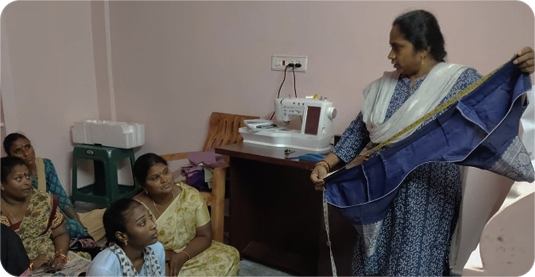
Skilling programs help women find economic independence and self-respect.
People often do not realize that providing daycare facilities for children of women from underprivileged societies could go a long way toward encouraging them to work. Bharatiya Samaj Seva Kendra (BSSK), based in Pune, recognized this, and Infosys Foundation joined their efforts to set up daycare facilities for children at four locations in Maharashtra. The daycare facility also goes a step further by conducting health screening camps and cultural activities for the children. Presently, 63 children aged 2 to 6 receive care at these facilities.
In FY26, a quiet yet powerful transformation has unfolded across Infosys' 20 development centers in India - thousands of volunteers have moved with the shared spirit of Gracious Giving.
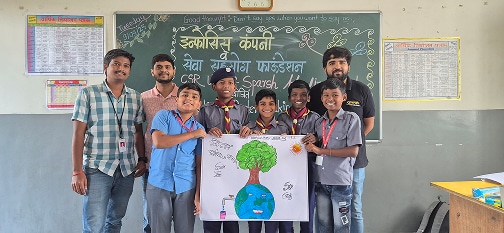
Our employees continue to empower communities through collective action and purpose.
During this period:
Gracious Giving, Infosys Foundation's structured volunteering initiative, enabling employees to dedicate time and skills toward clearly defined social priorities. To enable large-scale volunteering, the Foundation boosted participation via InfyCares, a platform that simplifies discovery, coordination, and engagement. Volunteering was delivered through a combination of campus-led initiatives, partner-led programs, and virtual engagements.
Volunteers assembled science learning kits, solar lamps, menstrual hygiene kits, fabric bags, and educational materials for government schools. River cleanup drives and community-based environmental initiatives supported localized environmental stewardship. Health camps and blood donation drives were conducted across DCs.
Read the Infosys Foundation Report here.
Infosys Foundation USA is committed to expanding access to inclusive computer science education and digital upskilling opportunities for all learners. Through targeted programs, strategic partnerships, and continued innovation of the Infosys Springboard digital learning platform.
The Foundation has achieved the following:
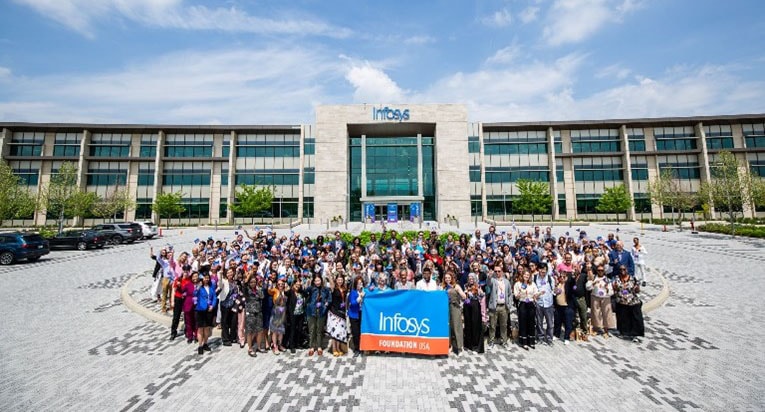
Infosys Foundation USA is driving computer science education at scale through targeted programs.
A defining milestone in fiscal 2026 was CrossRoads 2025, the Foundation's national thought leadership conference - hosted at the Infosys Technology and Innovation Center in Indianapolis. The convening brought together leaders from education, industry, and the non-profit sector to examine the evolving demands of the digital and AI-enabled workforce.
During CrossRoads 2025, the Foundation unveiled its flagship Accessibility Living Lab, developed in collaboration with the Infosys Center for Emerging Technology Solutions (iCETS). The Living Lab advances adaptive learning environments and inclusive technology design, supporting neurodivergent learners and individuals with disabilities. This initiative reflects the Foundation's broader ESG commitment to ensuring that innovation in AI and emerging technologies is accessible to all learners.
Infosys Springboard remains central to the Foundation's workforce strategy, providing free, high-quality digital and AI-aligned learning resources to students, educators, and lifelong learners.
In fiscal 2026:
The Foundation partnered with the Boys & Girls Clubs of Greater Dallas and Greater Houston to launch custom Infosys Springboard microsites supporting STEM exploration, digital literacy, and early career awareness.
Additionally, the Foundation launched Digital Explorers, a cross-border initiative developed with Infosys Mexico and the University Tec de Monterrey. Through a bilingual Infosys Springboard microsite, the program expanded access to AI-focused and digital skills curriculum for students in the United States and Mexico.
The Foundation also deepened its collaboration with Kode With Klossy, hosting a national virtual coding challenge that engaged alumni students in creative problem-solving and development of applied technical skills.
Equipping educators to integrate AI into classrooms confidently remained a core priority this year.
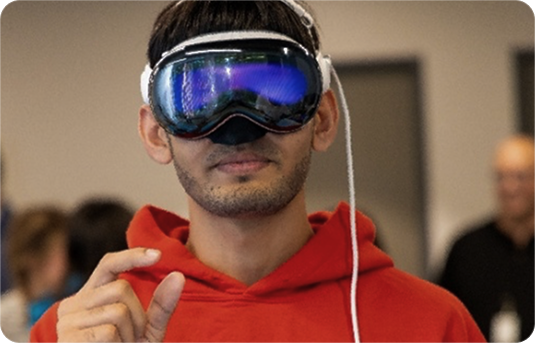
The Foundation expanded access to an AI-focused and digital-skills curriculum.
In fiscal 2026:
Infosys Foundation USA continued strengthening its culture of service by mobilizing US-based employees to advance digital upskilling and STEM access across local communities.
Through strategic partnership, digital innovation, educator enablement, and employee volunteer engagement, Infosys Foundation USA continues to strengthen access to computer science and AI education while building scalable pathways to workforce readiness. In fiscal 2026, the Foundation advanced Infosys' ESG commitments by ensuring that emerging technologies are not only transformative - but accessible, responsible, and opportunity-creating for learners nationwide.
In fiscal 2026:
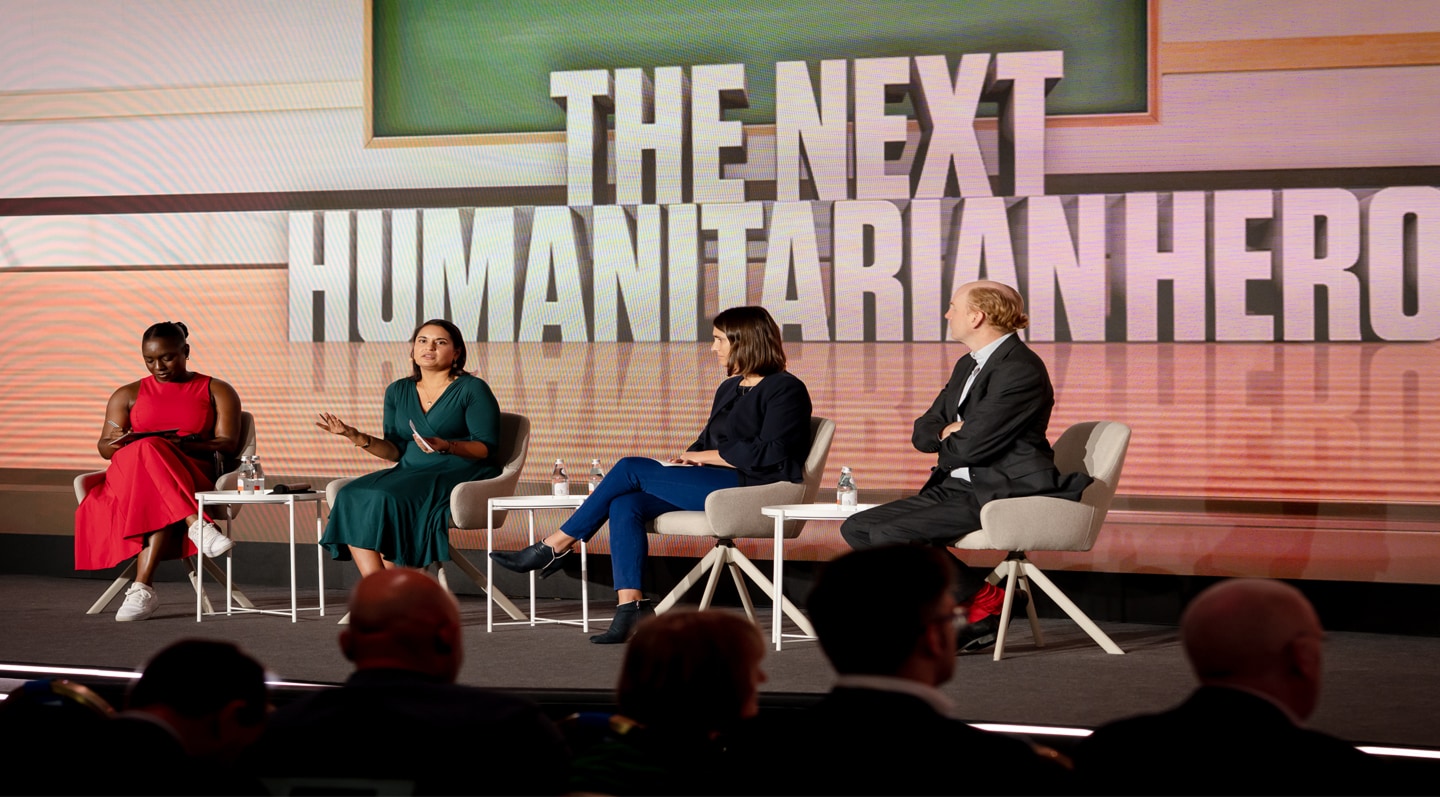
At the conclusion of our presence at the World Economic Forum in Davos, Infosys convened its annual Social Impact Reception, an event focused on the role of digital technology in driving equitable and sustainable development. The discussion was moderated by Merinda Owusu of Infosys and featured Justin Spelhaug of Microsoft Elevate and Paul Polman, business leader, philanthropist, and investor.
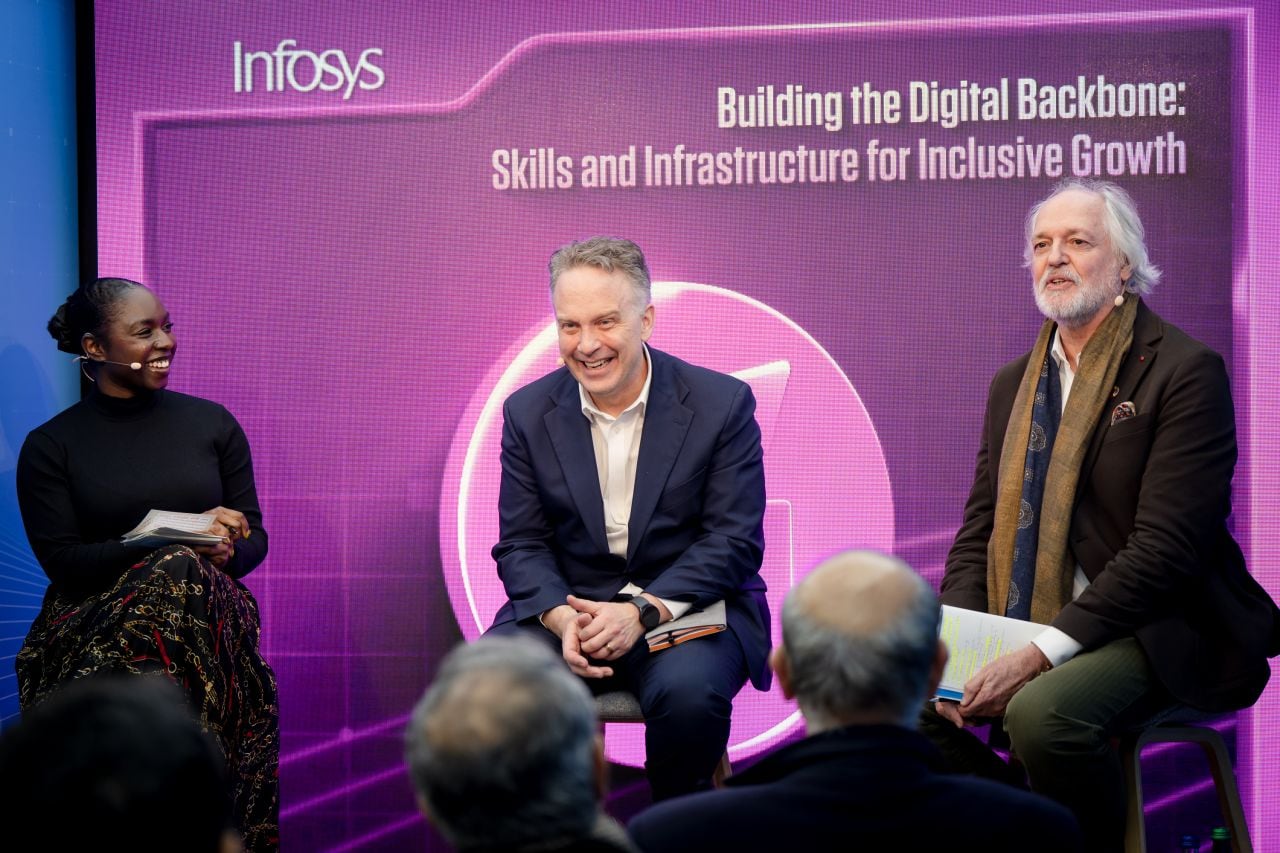
Merinda Owusu, Infosys; Justin Spelhaug, Microsoft Elevate; and Paul Polman, business leader, were part of a panel discussion at the WEF in Davos.
Against the backdrop of AI's unprecedented acceleration, the session examined not only the promise of new technologies but also the foundational social and environmental conditions required to ensure their benefits are broadly shared. Rather than centring on innovation headlines, the conversation explored how digital infrastructure, human capability, and responsible leadership intersect to shape long-term societal value.
This conversation closed our WEF26 program with clarity of purpose: reinforcing the shared responsibility to build a digital future that is inclusive, sustainable, and grounded in human development.
Key themes that emerged included:
Digital inclusion requires more than connectivity.
Equitable access depends on digital skills, relevant education pathways, and locally meaningful content that enables communities to participate fully in the digital economy.
AI infrastructure carries material environmental and community impacts.
Ensuring transparency, responsible resource use, and collaborative mitigation strategies is essential for sustainable deployment.
Human-centered capabilities remain vital.
Skills such as collaboration, empathy, critical thinking, and continuous learning are foundational in an AI-enabled world of work.
Long-term value creation demands forward-looking leadership.
Delivering societal benefit from AI requires decision-making that extends beyond short-term efficiency goals and quarterly cycles.
Partnerships are critical to progress.
With public funding under pressure, collaboration across business, civil society, and multilateral organizations is increasingly necessary to build resilient digital ecosystems.
As part of our ongoing partnership with Tech She Can, Infosys hosted a Teacher Continuing Professional Development (CPD) Day at our London office, welcoming a diverse group of primary and secondary educators committed to inspiring the next generation of technology talent.
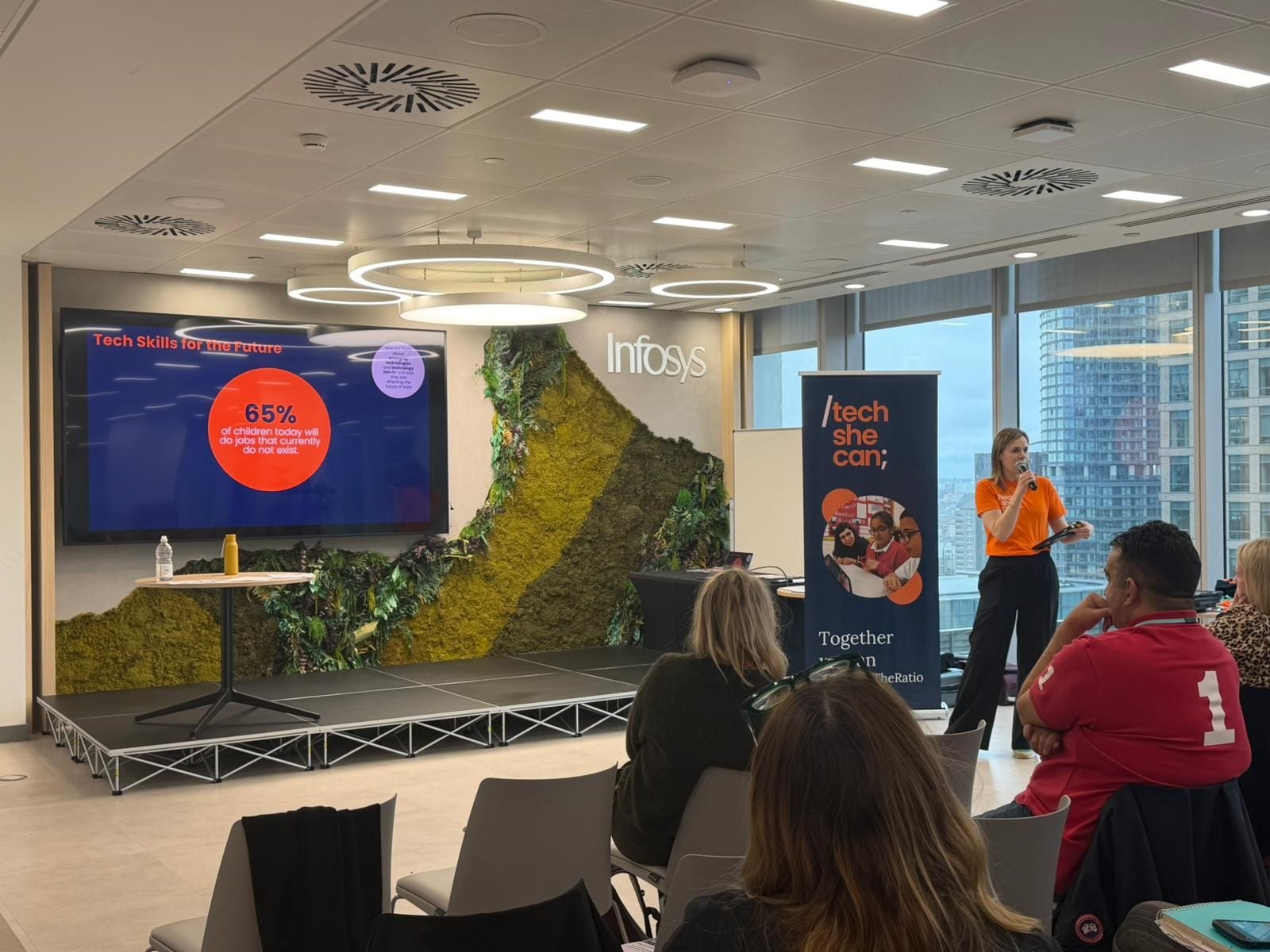
Infosys partnered with Tech She Can to promote STEM education and increase women's representation in technology.
The program provided teachers with a comprehensive view of the rapidly evolving technology landscape, combining hands-on learning, real-world industry insights, and practical strategies that could be integrated immediately into classroom practice. The day highlighted the essential role educators play in equipping young people with the digital skills and confidence needed to participate in the future workforce.
The session's impact was reflected in the feedback we received. One teacher shared:

Thank you for such a fun, enlightening, and inspiring career day at Infosys. I've come back to school fully enthused about tech and passing on the Tech She Can message to our students.
Key outcomes for participating teachers included:
A deeper understanding of emerging technology trends shaping the future of work.
Continued access to the Springboard learning platform, supporting ongoing professional development.
Practical tools to embed digital skills across the curriculum in inclusive and accessible ways.
Strategies to help all students, particularly those from underrepresented groups, see themselves represented in tech
As part of our commitment to fostering inclusive growth and expanding access to digital career pathways, Infosys welcomed six young people from the West Sussex County Council for an immersive, hands-on technology experience.
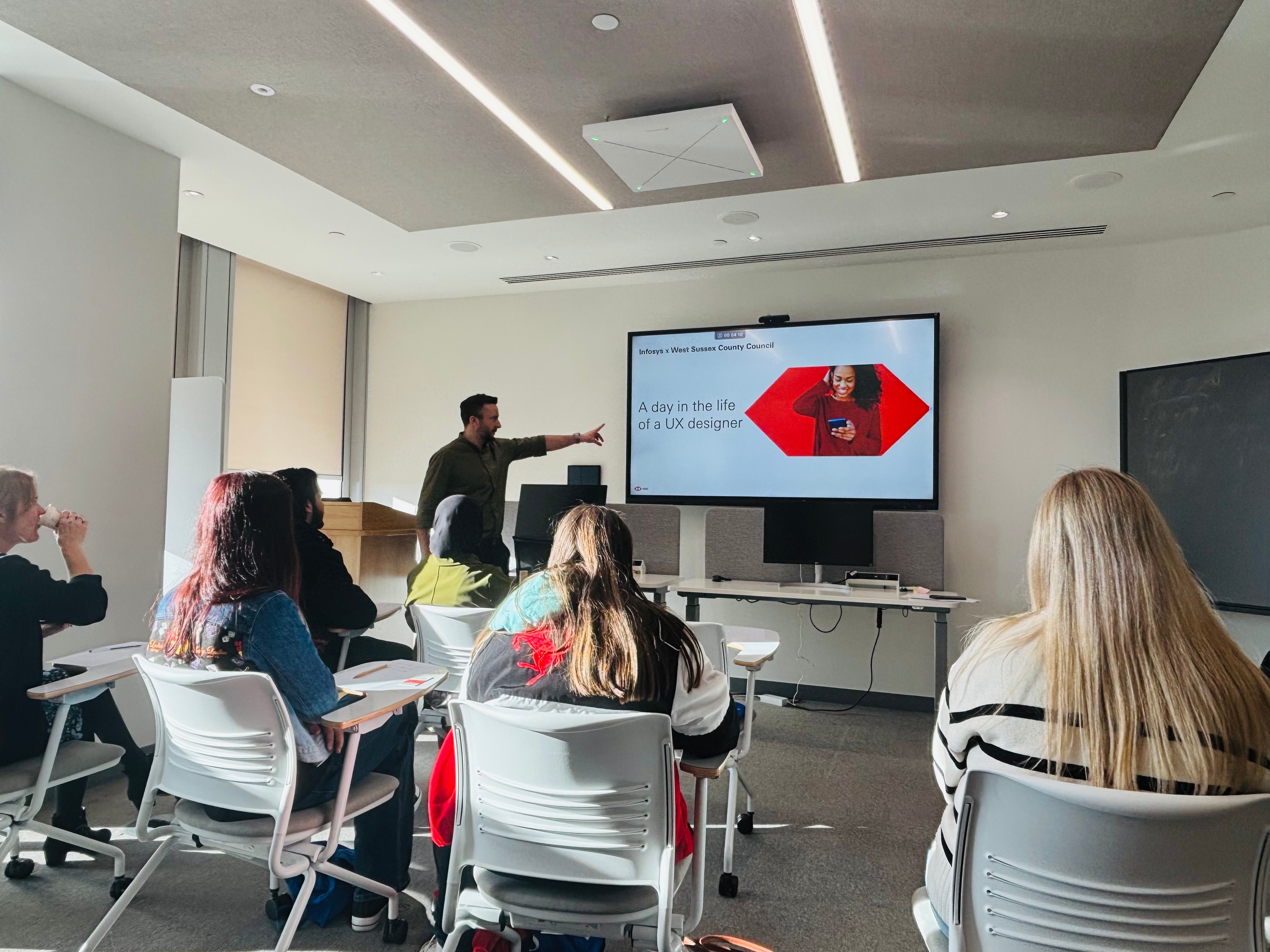
The workshop introduced young learners to future-ready careers.
The program introduced participants to the breadth of opportunities in the tech sector, featuring colleagues who shared their diverse, non-linear career journeys—demonstrating that success can be achieved through many paths. Practical sessions, including mock interviews and CV reviews, were designed to strengthen employability skills and build confidence as participants prepare for the future of work.
The day's impact was reflected in the voices of the attendees themselves. One participant remarked, “The beautiful view and design of the building… gave me hope.” This sentiment speaks to the importance of creating environments – both physical and cultural – where young people can see possibility in their own futures.
While the initiative was designed to inspire the next generation, we were also left inspired by their ambition, curiosity, and determination.
Infosys continued to strengthen its commitment to youth development through hands-on volunteering and strategic partnerships. A team of five volunteers spent a full day refurbishing outdoor shelters and fencing for a local youth organization – work that improved essential spaces used by young people and enabled staff to focus more directly on program delivery. The organization emphasized the meaningful impact that even small volunteer teams can create through practical support.
In addition, Infosys was proud to serve as the sponsor for the London Youth Awards, which recognize outstanding youth clubs and youth workers across the capital. The event underscored the importance of safe, creative, and inclusive youth spaces and was attended by HRH The Duke of Edinburgh, patron of London Youth. Performances from Lewisham Music, Haringey Shed, East London Dance, and the Young Urban Arts Foundation added to the celebration of youth talent and community impact.

Infosys teams work with London Youth to strengthen youth development through community action.
Through both volunteer engagement and strategic sponsorship, Infosys continues to support organizations that advance educational opportunity, wellbeing, and social inclusion for young people across the UK.
In October 2025, Infosys and WongDoody employees participated in a Care Packsathon, contributing to a high-impact volunteer effort supporting families with newborns in low-income communities. What was planned as a 90-minute activity was completed in just 20 minutes, resulting in 230 care packs assembled – an example of collective efficiency and commitment to community well-being.
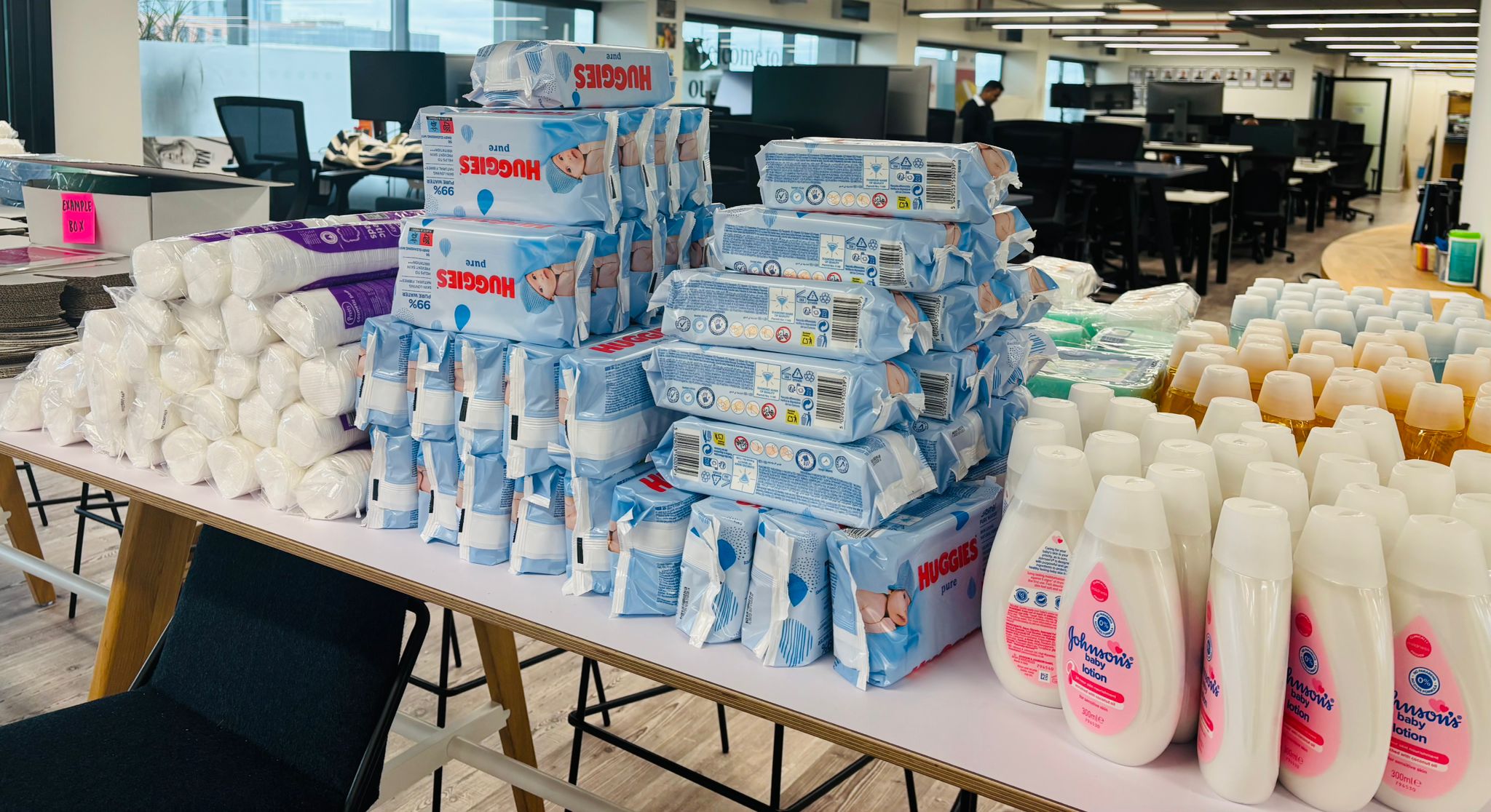
Infosys and WongDoody volunteers prepare care packs to aid families with essential supplies.
Care Packs partners with local councils in underserved areas to provide essential items that many families cannot easily access, including shampoo, conditioner, baby oil, and nappy sacks. By convening corporate volunteers around a meaningful local cause, the organization helps ensure newborns receive the safe, healthy start they deserve.
In the spirit of Diwali, Infoscions in London continued this commitment by assembling an additional 300 care packs for families in Coventry. Each pack contained essential hygiene and well-being items for babies and young children, and was distributed to households requiring additional support during a critical stage of early development.
The Economist Educational Foundation (TEEF), established in 2012 by staff members at The Economist, equips young people with the skills to think critically, communicate effectively, and interpret the world around them. Infosys has been a trusted, long-term partner in advancing this mission.
Through our collaboration, we have co-developed sustainability-focused content that has reached learners globally, supported youth storytelling on The Sustainability Project website, and provided teachers with a free online training course hosted on the Infosys Springboard platform. These initiatives help educators integrate global issues into the classroom while empowering students to engage thoughtfully with complex topics.
Flora Letanka, CEO of The Economist
Educational Foundation, highlighted the
value of the partnership:
“Infosys is a crucial partner in our
effort to
equip the next generation with the tools
they need to navigate a complex world.”
Most recently, local students visited the Infosys London office to deliver a lesson on 'Wildfires: Prevention vs. Management'. The students explored the global impact of wildfires, examined prevention and response strategies, and debated government spending priorities – strengthening their analytical and civic reasoning skills.
For the second consecutive year, Infosys partnered with Chapter One UK to help improve early literacy outcomes for disadvantaged children. Through this initiative, 15 Infosys volunteers dedicate 30 minutes each week to provide one-to-one reading support to pupils who are struggling with foundational skills.
To date, our volunteers have delivered 129 reading sessions, totaling 3,580 minutes of personalized support. This ongoing commitment reflects our broader ESG focus on advancing educational equity and helping young learners build the confidence and skills needed for long-term academic success.
For the second consecutive year, Infosys sponsored UNESCO's Digital Learning Week in Paris, reinforcing our commitment to advancing equitable, responsible, and human-centred digital education. As part of the program, Inderpreet Sawhney participated in a high-level panel on 'AI with Integrity: Exploring Ethics and Explainability at Scale', alongside senior representatives from government, academia, and industry.
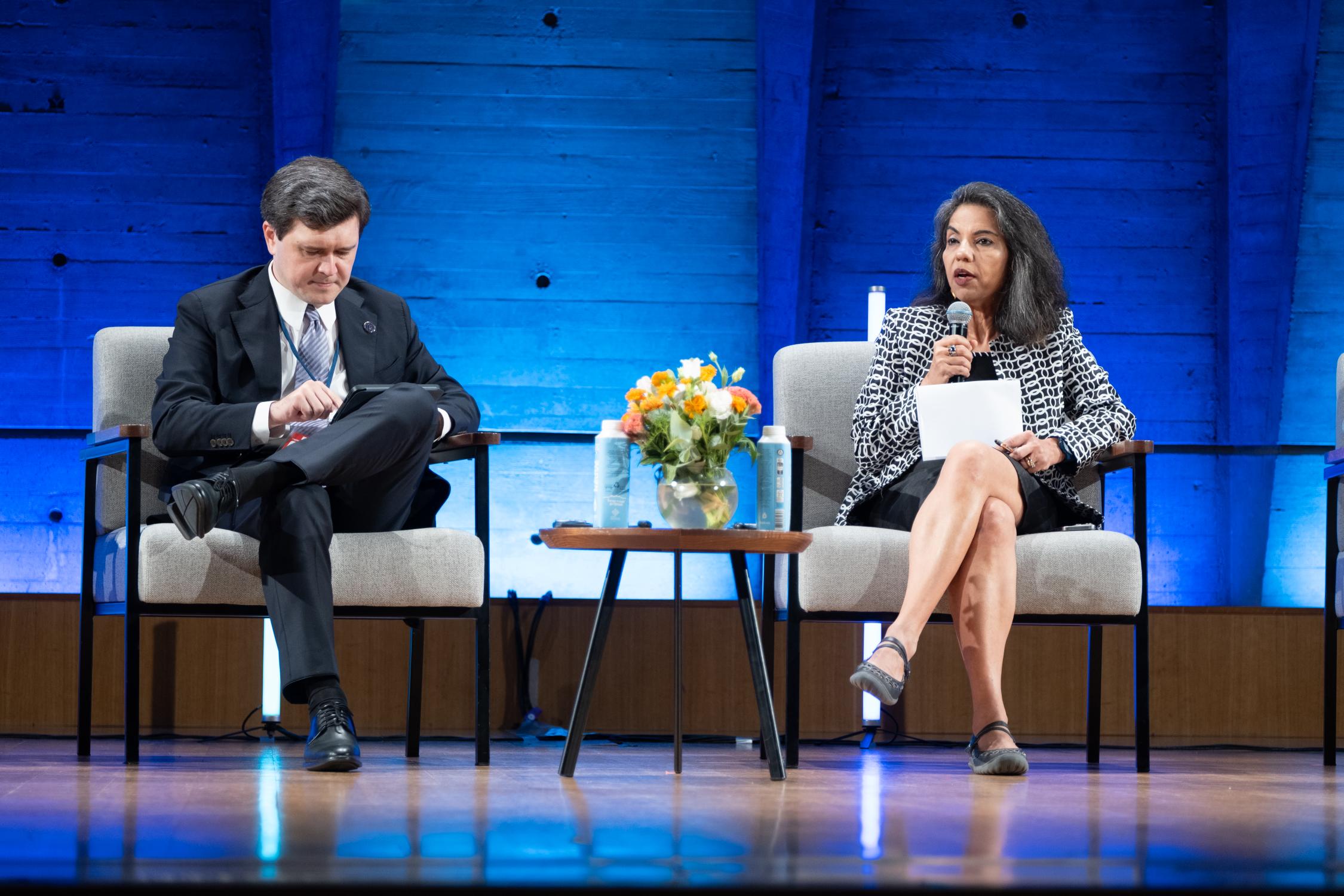
Inderpreet Sawhney, Chief Legal Officer and Chief Compliance Officer, Infosys, spoke on AI with Integrity: Exploring Ethics and Explainability at Scale.
As part of our sponsorship, Infosys invited Street Child to host a workshop and exhibition booth showcasing our collaborative work on digital learning across Europe through the Springboard platform. The booth also featured the Sierra Leone virtual reality experience developed by WongDoody. Using Apple Vision technology, the immersive experience allows users to better understand the conditions in low-income, resource-constrained settings where Street Child operates.
For international NGOs, one of the greatest challenges is enabling potential donors to connect meaningfully with the realities faced by communities they aim to support. By creating vivid, firstperson VR environments, this technology helps communicate Street Child's mission more effectively, enhancing awareness, strengthening emotional engagement, and ultimately supporting improved fundraising outcomes.
Infosys' continued partnership with UNESCO and Street Child reflects our broader ESG focus on ethical AI, inclusive digital access, and technology-enabled solutions that expand opportunities for learners worldwide.
In October, Infosys welcomed partners from Les Entreprises pour la Cité (LEPC) to our Toulouse office to highlight how LEPC's training content is now integrated into Infosys Springboard, our open digital learning platform. The session brought together members of LEPC's network to explore how Springboard can extend the reach of their programs – broadening access to learning and increasing impact beyond traditional delivery channels.
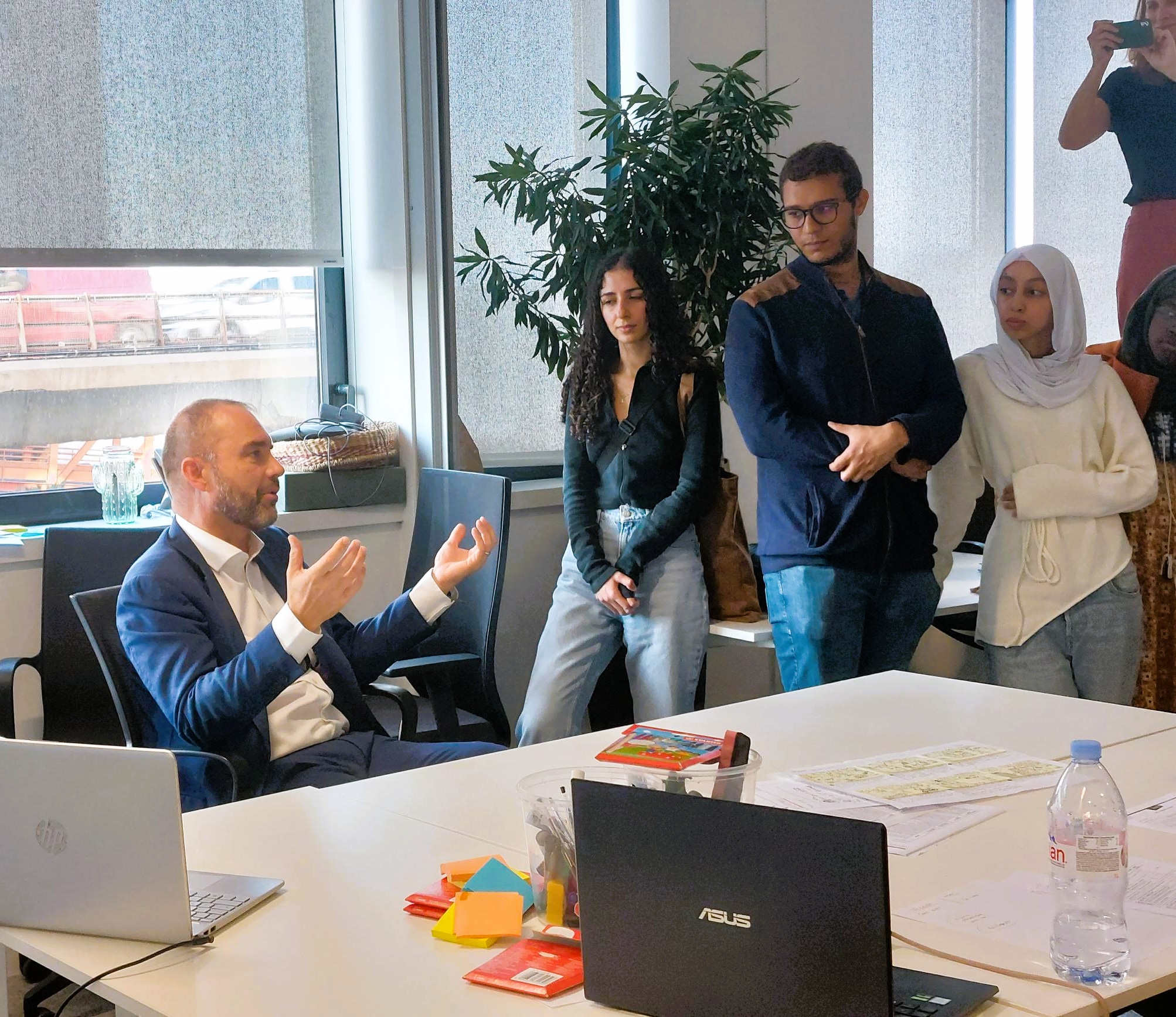
Infosys and LEPC partner to expand access to digital learning through collaboration.
For nearly 40 years, LEPC has served as a leading French network of socially committed companies, uniting more than 160 organizations around key societal priorities, including equal opportunities in education, workplace inclusion, philanthropy, and civic engagement. Through collaboration and co-creation, LEPC fosters initiatives that create meaningful social value across sectors.
Infosys' partnership with LEPC includes the co-development of digital learning content on Springboard and the delivery of joint initiatives such as hackathons, supported by more than 40 Infosys volunteers. These efforts reflect our broader ESG commitment to strengthening community partnerships, expanding digital access, and enabling learners to develop skills for a more inclusive and sustainable future.
Infosys is proud to partner with Fête le Mur, a non-profit founded in 1996 to provide children from low-income urban communities with access to tennis as a means of building confidence, discipline, and personal development.
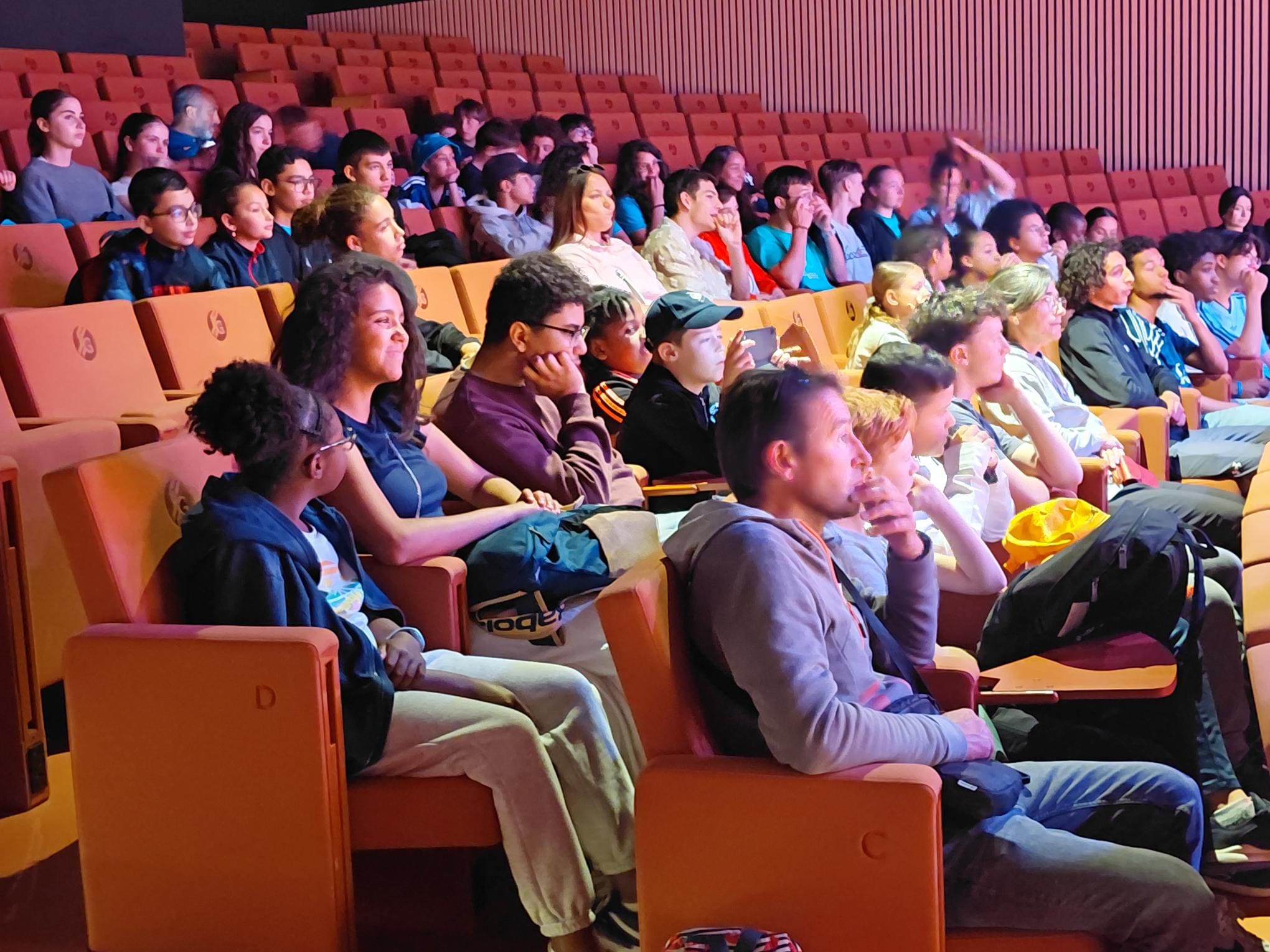
Infosys, in collaboration with Fête le Mur, works towards advancing youth empowerment through sports.
As part of this collaboration, Fête le Mur has created a series of digital learning modules on Springboard Europe, designed to help young people learn tennis with minimal equipment and assist coaches in engaging participants more effectively. This initiative strengthens both access to sport and the supportive networks that enable young people to thrive.
In June, Infosys hosted 60 young people at Roland Garros, offering many their first-ever experience attending a major sporting venue. We also supported a nationwide competition to identify Rafael Nadal's biggest young fan. The winner, 13-year-old Haris, was flown to the Rafa Nadal Academy, where he had the opportunity to meet his sporting hero.
Through this partnership, Infosys continues to invest in inclusive youth development, ensuring that opportunities for growth, aspiration, and well-being reach children in underserved communities across France.
On September 21, 2025, employees from Infosys France participated in MEMORUN, a 5-km charity run supporting France Alzheimer, an organization dedicated to improving care, advancing research, and strengthening support for individuals and families affected by Alzheimer's disease.
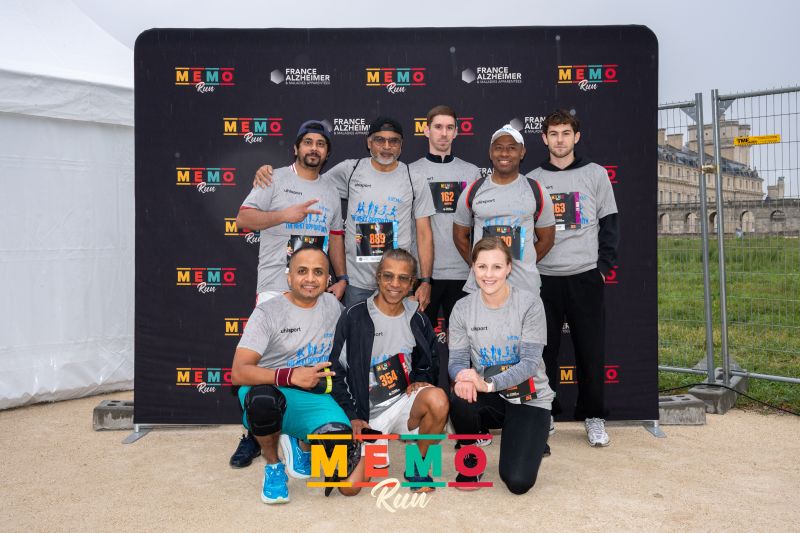
Infosys employees came together for MEMORUN 2025.
The event, held at the historic Château de Vincennes, brought colleagues together in a spirit of solidarity despite challenging weather conditions. Beyond promoting employee well-being, the run offered a meaningful opportunity to contribute to a cause that plays a vital role in enhancing public health and social resilience.
This initiative reflects Infosys' broader ESG commitment to community involvement, health advocacy, and fostering a workplace culture that encourages employees to engage in activities that create positive social impact.
Infosys, in partnership with Street Child, was honored to receive the Best Emergency Response Project award at the Third Sector's Business Charity Awards 2025. This recognition reflects a year of intensive collaboration to restore access to education and safeguard learning continuity for children in Ukraine amid ongoing conflict and infrastructure disruption.
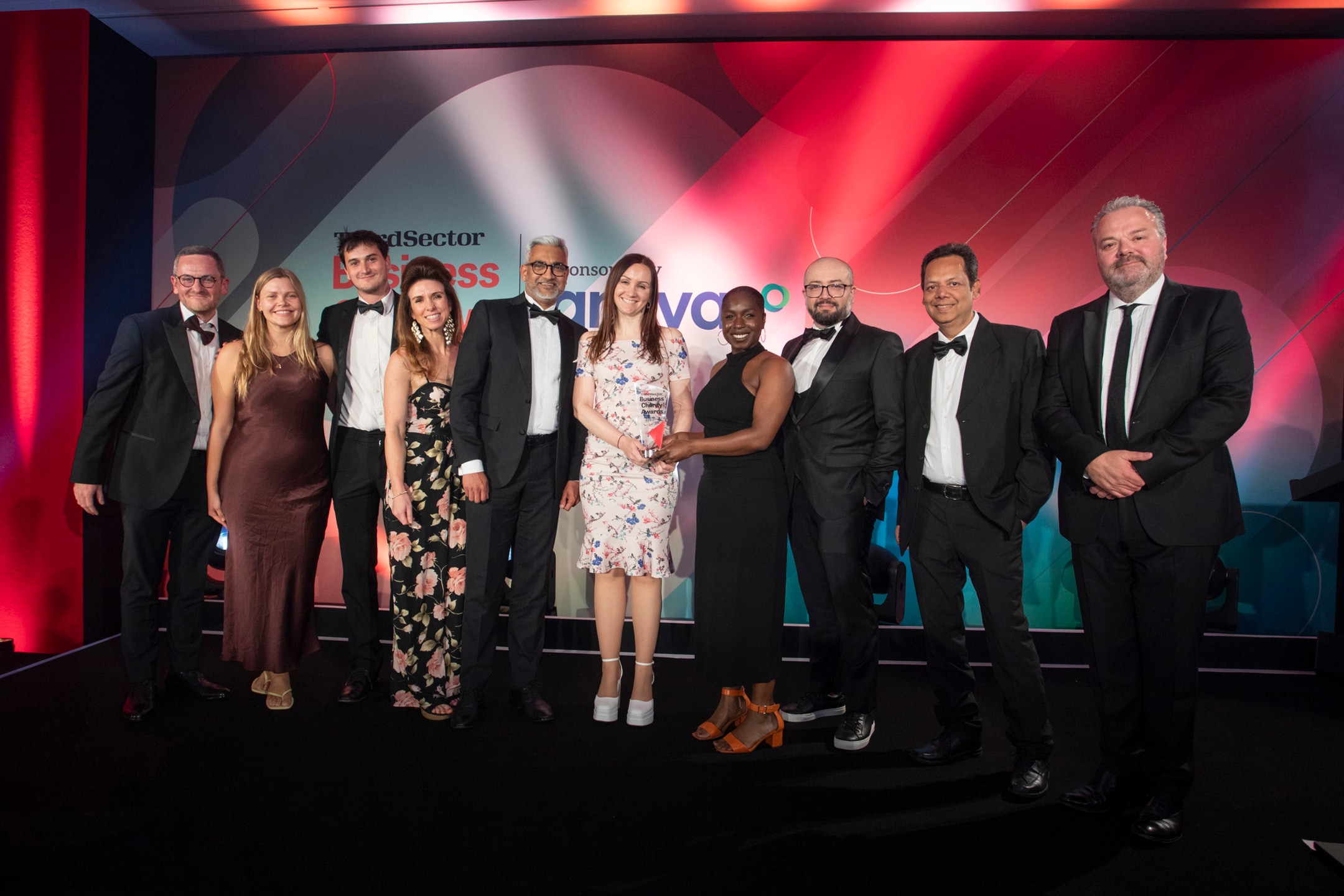
Infosys and Street Child receive recognition for impactful humanitarian efforts at the 2025 Business Charity Awards.
Addressing a critical need
With 379 educational institutions destroyed and 3,600 damaged across Ukraine (Ukrinform, Aug 2025), and 4.6 million children facing significant learning barriers (UNICEF, Sept 2025), the program directly supports Infosys' CSR Charter and SDG 4: Quality Education.
Key program components and impact
Digital Learning Centres (DLCs): Established in Dnipropetrovsk to support 7,500 children over three years, the program provided safe, inclusive spaces equipped with digital resources and psychosocial support. Despite power outages and nationwide contractor shortages, the program surpassed its goal by opening:
Digital transformation for education:
Through Infosys Springboard, bespoke online learning pathways were developed for students, teachers, and school leaders, including courses in:
The program's innovative approach was highlighted by Professor Dennis Ougrin, who presented it as a case study at a conference hosted by the First Ladies of Ukraine and Lithuania, demonstrating its relevance and potential for broader adoption.
Read the case study here.At this year's Infosys EMEA Confluence, Infosys convened a panel discussion on the role of business in driving meaningful social impact. The session highlighted the scale of today's humanitarian challenges and the potential for technology-enabled collaboration to strengthen global response efforts.
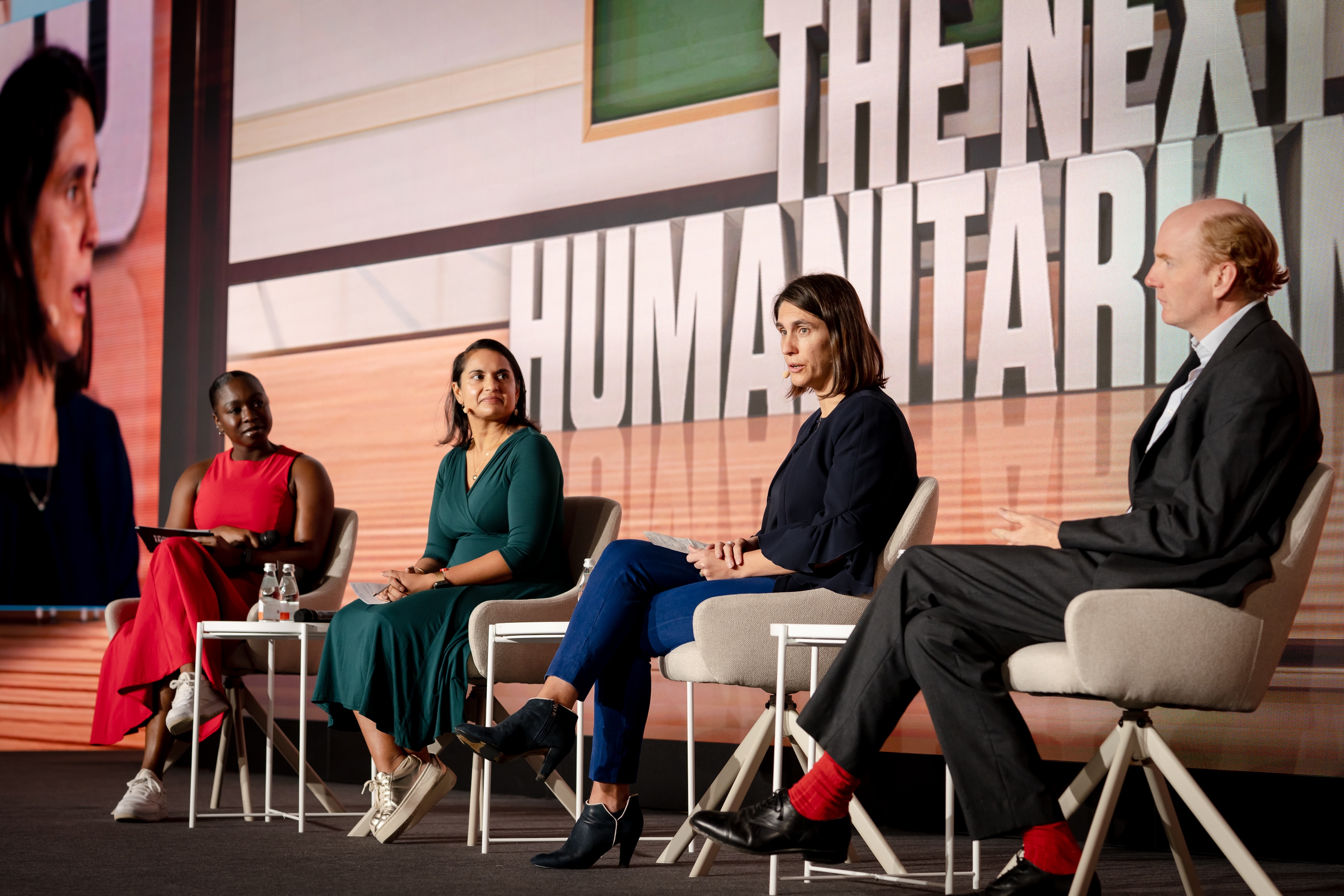
EMEA Confluence 2025 united AI leaders and industry pioneers for unlocking enterprise potential through bold ideas and innovation.
Gemma Connell of the United Nations Office for the Coordination of Humanitarian Affairs (OCHA) underscored the urgency of the moment, noting that more than 300 million people worldwide require humanitarian assistance, and over 350 OCHA staff members have lost their lives while delivering aid. Despite these sobering realities, she emphasized emerging opportunities where technology can play a transformative role.
Payal Dalal, Senior Vice President at the Mastercard Center for Inclusive Growth, demonstrated how the private sector can accelerate financial inclusion. She highlighted Mastercard's work in India, where AI and large language models trained on regional dialects are being used more effectively to support underserved communities in development and financial literacy contexts.
Tom Dannatt, CEO of Street Child, spoke about the organization's education and protection programs in Ukraine, supported by Infosys. He further emphasized Street Child's ongoing work across Africa and Southeast Asia, where many crises remain under-reported yet require urgent and sustained support.
The discussion revealed a clear message: although humanitarian organizations and the private sector can appear to operate in different worlds, meaningful progress depends on collaboration.
Nearly 100 Infosys employees in Frankfurt participated in the J.P. Morgan Corporate Run 2025, joining more than 64,000 runners in one of the world's largest corporate athletic events. Despite challenging weather, the team demonstrated strong commitment to well-being, teamwork, and social impact.
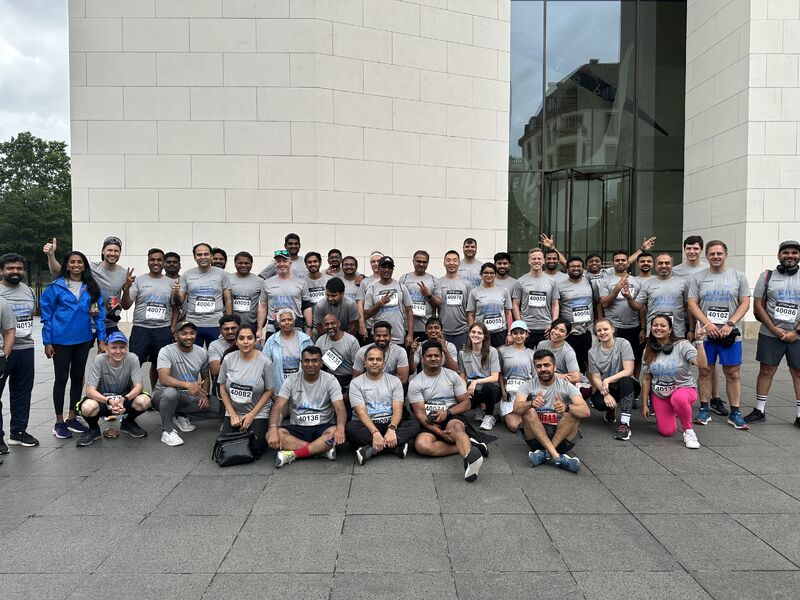
Infosys employees took part in the J.P. Morgan Corporate Run 2025 to raise awareness for programs promoting inclusion through sport.
This year, Infosys ran in support of the Laureus Sport for Good Foundation and Die Deutsche Behindertensportjugend (German Disabled Sports Youth)— organizations dedicated to expanding access to sport, fostering youth development, and improving opportunities for people with disabilities. Through their participation, employees helped raise visibility for programs that use sport as a pathway to inclusion, confidence, and long-term community resilience.
Christmas drive:
For Christmas, Infoscions donated school supplies, clothes, healthcare, and household items to Mädchenbüro Milena e. V., an educational and integration institution for girls and women.
The institution supports an independent youth welfare program and offers girls and women, with and without a refugee background, a protected place to meet.
Advancing community health through active participation: CIO Charity Run and Bike 2025
Infosys colleagues joined the CIO Charity Run and Bike 2025, contributing to an event that mobilized 823 participants who collectively ran 10,426 km and cycled 20,844 km, raising €72,974 for this year's beneficiaries: StartStiftung and Save the Children.
The Infosys team made a meaningful contribution, with 21 runners completing 399 km and 23 cyclists covering 1,267 km. The event highlighted the power of collective action—demonstrating how individual commitment and team motivation can translate into tangible support for organizations advancing education, inclusion, and child protection.
Infosys continued its collaboration with the INCO Academy by hosting a Career Day in November for 16 graduates from Data Analytics and Cybersecurity programs across The Netherlands. Building on our joint Mentoring Day held in June, the event focused on strengthening employability and supporting learners as they transition into the Dutch digital sector.
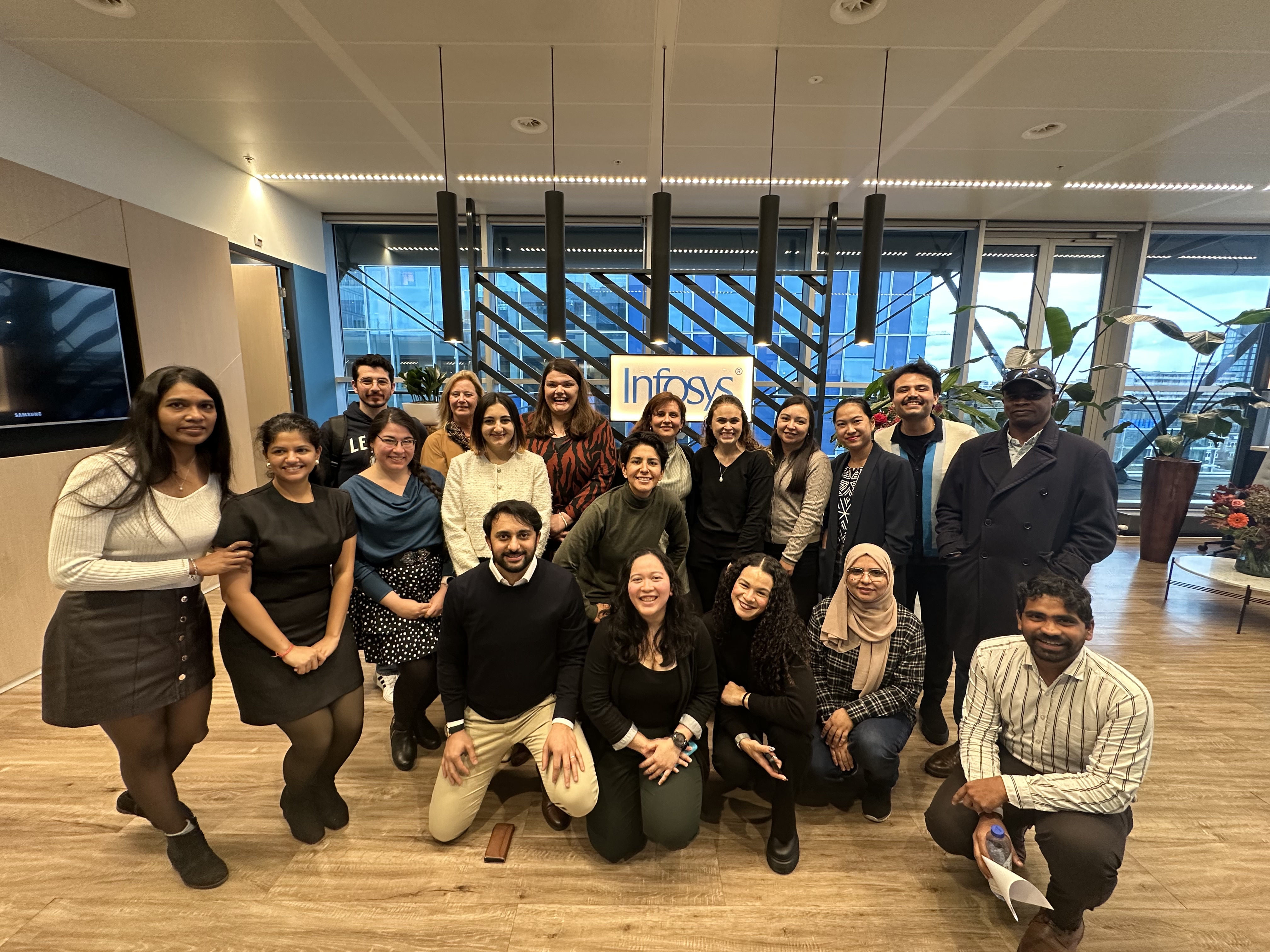
Career Day at the Infosys Netherlands office was held in collaboration with the INCO Academy.
The participants took part in practical, confidence-building sessions, including resume building and LinkedIn guidance, mock interviews, and a Skills Spotlight workshop designed to help them articulate their strengths and transferable skills. The enthusiasm and ambition learners brought to the day underscored the value of creating supportive, real-world learning environments.
This impact was made possible through the commitment of Infosys volunteers, whose mentorship and industry insights played a central role in both the June Mentoring Day and the Amsterdam Career Day. We also acknowledge the coordination and support from Infosys teams and the ongoing partnership with INCO Academy staff.
Together, these initiatives reflect Infosys' ESG commitment to fostering inclusive growth, expanding access to digital capabilities, and strengthening local talent pipelines across Europe.
Infosys was proud to serve once again as the headline sponsor of Street Child's Big Ride, a flagship fundraising event that brings together supporters to cycle, run, and walk in support of vulnerable children worldwide. This year, more than 600 participants joined the event, contributing to an expected €2 million in funds–enough to enable approximately 17,500 children to attend school and access the learning opportunities that can transform their futures.
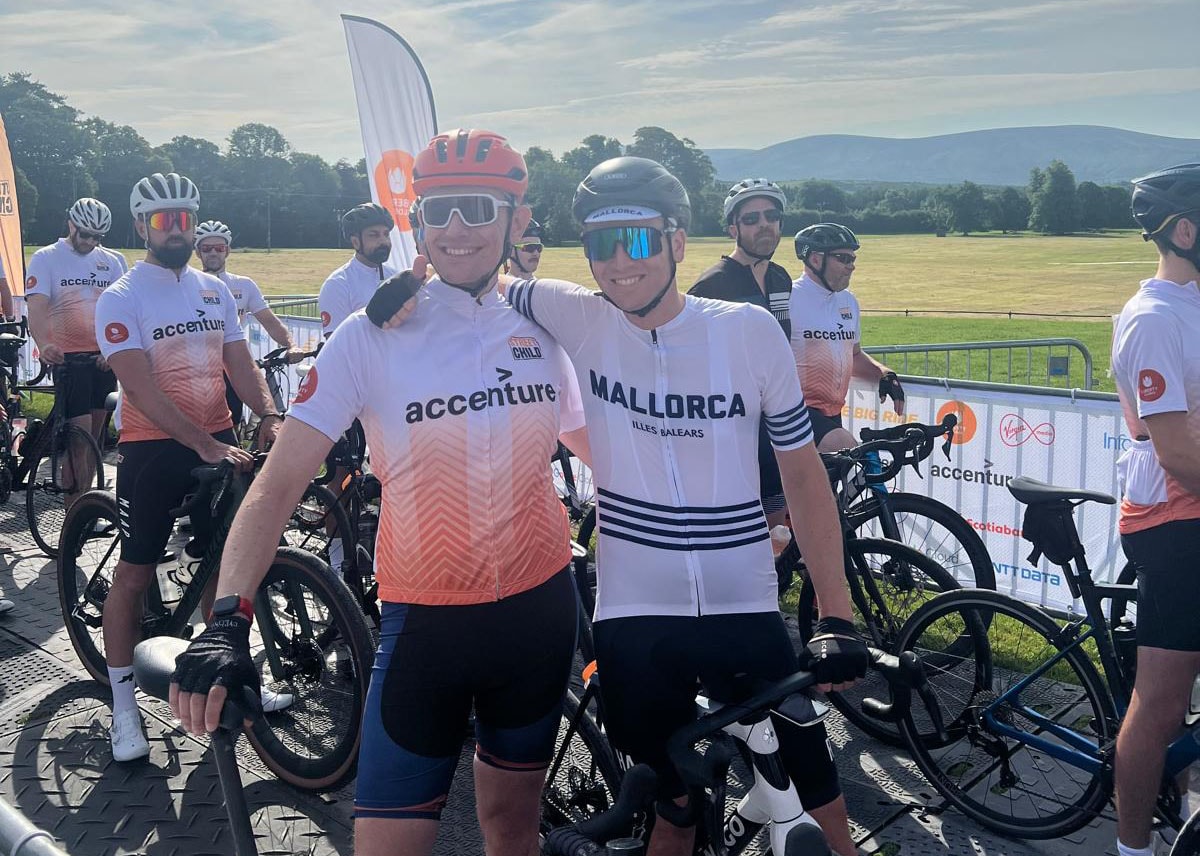
Infoscions in Europe cycled, ran, and walked at Street Child's Big Ride in support of vulnerable children worldwide.
Our continued sponsorship reflects Infosys' commitment to advancing educational access, child safety, and longterm community resilience. We extend our appreciation to the many Infoscions who participated and to those who supported the partnership behind the scenes. Their efforts strengthen our ongoing collaboration with the Street Child, and help drive meaningful, measurable impact for children in some of the world's most underserved regions.
Strengthening community health through employee engagement
In Dublin, Infosys employees participated in the Clash of the Companies, a cross-industry event designed to build teamwork while raising funds for children's healthcare in Ireland. The employees completed a digital treasure hunt across the city centre—applying the same collaboration and problem-solving skills that drive our client-focused digital innovation.
Through their efforts, the team surpassed their fundraising target by 126% in support of the Children's Health Foundation. Despite challenging weather, participants demonstrated a strong commitment to supporting essential health services for children and families across Ireland.
This initiative reflects Infosys' broader ESG focus on community well-being, employee engagement, and contributing to causes that strengthen resilience and equity in the communities where we live and work.
Infosys Bulgaria participated in the Svetulki 5K Firefly Run for the second consecutive year, an annual event supporting people with visual impairments. Held at Lake Ariana in Borisova Gradina, the run is illuminated by small headlights and flashlights, symbolizing hope, visibility, and solidarity with those facing sight loss.
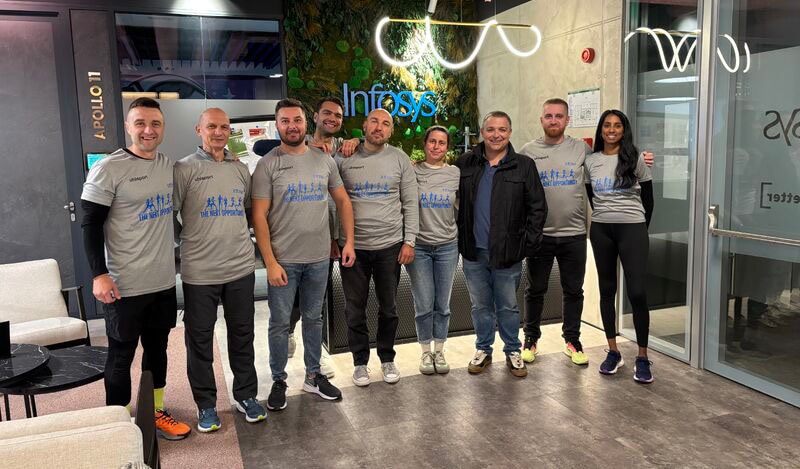
Employees in Bulgaria participated in the Svetulki 5K Firefly Run, an annual event supporting people with visual impairments.
All proceeds from the event were donated to the Eyes on Four Paws Foundation, which trains service dogs for people with disabilities—providing essential support that enhances mobility, independence, and quality of life.
The event offered a meaningful opportunity for Infosys employees to give back to the community while strengthening connections with colleagues outside the workplace.
Infosys Denmark participated in DHL Stafetten, Denmark's largest corporate relay race, joining more than 30,000 runners for a day focused on movement, teamwork, and community engagement. The event provided an opportunity for employees to strengthen connections, promote well-being, and demonstrate our commitment to inclusive, healthy workplaces.
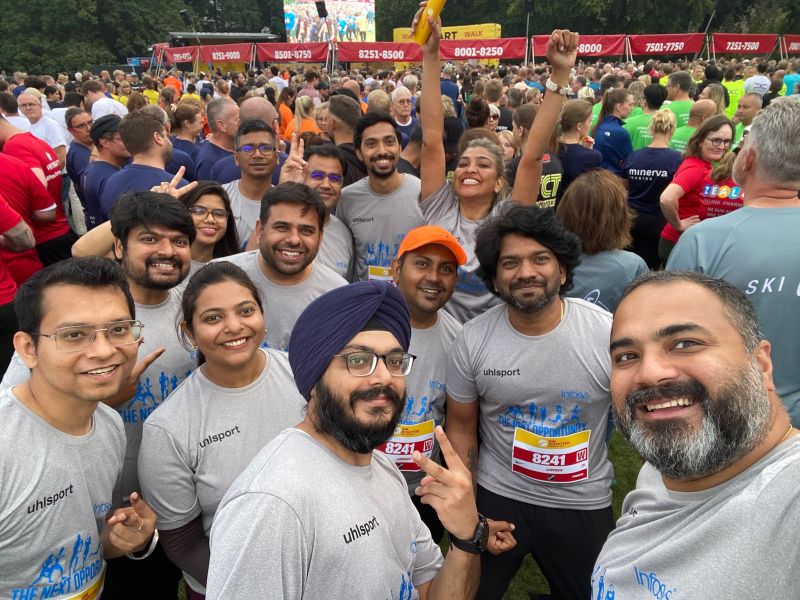
Infosys employees joined more than 30,000 runners in DHL Stafetten, Denmark's largest corporate relay race.
DHL Stafetten supports Sparta, a Danish organization dedicated to making running and sport accessible to people of all backgrounds and abilities. Proceeds from the event help expand Sparta's programs, enabling more individuals to participate in athletics and benefit from the physical and social advantages of sport.
Employees across Australia and New Zealand came together throughout the year to support vulnerable communities through hands-on volunteering, donation drives, and mentoring initiatives.
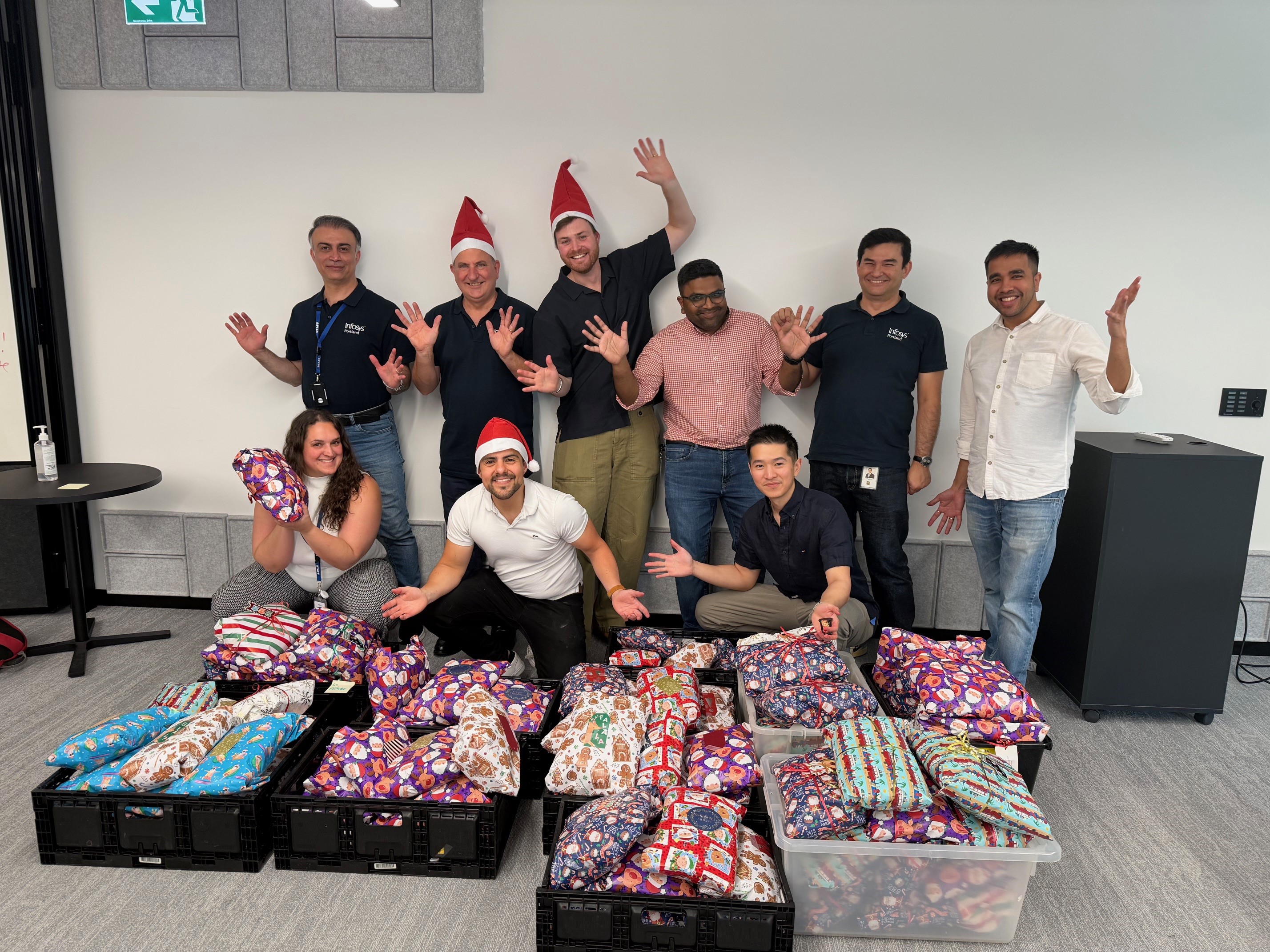
Volunteering teams in Melbourne wrapped hundreds of Christmas gift bags for people experiencing homelessness.
In Melbourne, teams continued regular volunteering with Ozanam House, preparing and serving meals to a minimum of 150 people per shift. Employees also exceeded their Christmas season donation goal, collecting 700+ pairs of socks and personal care essentials, and wrapped hundreds of Christmas gift bags for people experiencing homelessness.
In Sydney and Parramatta, volunteers made a significant impact at Foodbank NSW & ACT, packing 38 orders totaling 17 tonnes of food and 2,800 loaves of bread, providing an estimated 30,700 meals to families in need. Teams also supported Mission Australia programs and youth mentoring initiatives, including Good Shepherd mentoring to help young people build confidence and career skills.
In Perth, employees partnered with Mission Australia to create 52 festive hampers filled with food, hygiene items, and gifts. In Canberra, teams ran a successful donation drive for Mission Australia. In Auckland, employees supported the Auckland City Mission through a heartfelt community donation initiative.
Demonstrating visible leadership support, EVP and APAC Head Andrew Groth participated in the Vinnies CEO Sleepout for the sixth consecutive year, raising awareness and funds to address homelessness in Australia.
Together, these efforts highlight Infosys AusNZ's commitment to empowering local communities through compassion, volunteerism, and sustained engagement across the region.
Infosys continued to invest in empowering young people across Australia and New Zealand through programs that build leadership capability, digital confidence, cultural pride, and entrepreneurial thinking.
Future Leaders Program: Tennis Australia
Infosys partnered with Tennis Australia to deliver the Future Leaders Program, enabling emerging young Australians to develop leadership, teamwork, and digital literacy skills. Students participated in a multi-day learning experience, including exposure to emerging technologies, such as AI and VR, and participation in Future Leaders Day at the Australian Open.
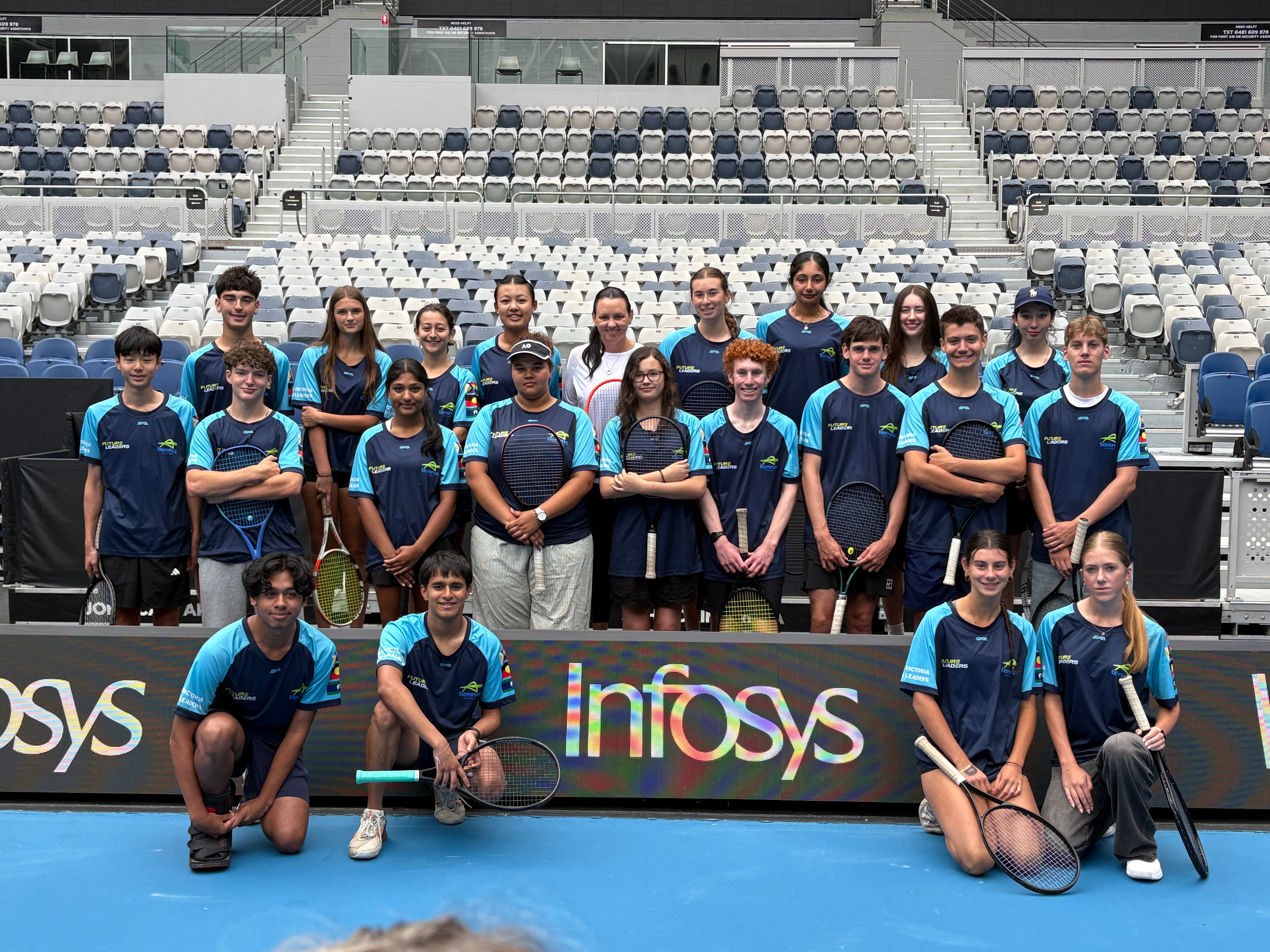
Passionate young table tennis players were given the opportunity to step up, lead change, and shape the future of the sport in Victoria.
Junior Leadership Program: Table Tennis Victoria
Through our partnership with Table Tennis Victoria, the Junior Leadership Program supported young Australians in building leadership, digital, and community impact skills. Participants engaged in mentorship, workshops, and Infosys Springboard learning pathways, culminating in real-world leadership projects that strengthened confidence and resilience.
Play Like a Girl: Empowering girls and women through sports and leadership
Infosys partnered with Play Like a Girl Australia to build confidence, develop practical leadership skills, and create sustainable pathways for girls and women across Australia, prioritising Indigenous, regional and culturally diverse participants across Australia. Sixty women completed the leadership program in November; Infosys supported 15 scholars whose leadership influence is estimated to reach around 2,000 people across teams, classrooms, clubs, and committees over 12 months. Participant experience was exceptionally positive: 94%+ rated the program highly, and 99% rated content quality as high or very high. In the Infosys cohort, 73% reported increased confidence and self-belief, 80% reported improved leadership skills applied in realworld situations, and 93% completed the program (one deferred).
Young Change Agents: Empowering Indigenous, regional, and underresourced youth
Infosys deepened its partnership with Young Change Agents to support Indigenous, regional, and under-resourced youth across Australia. As the exclusive sponsor of the Indigenous Entrepreneur Award at the National Youth Awards, Infosys helped the program reach 200,000+ young people across 1,700+ schools nationally. They supported a nationally recognized Credentialed Entrepreneurship Program across 20- 30 regional and low-SES schools. Infosys also launched a mentoring pilot, pairing Teens in Business Award winners with Infosys mentors to support real-world learning and leadership development.
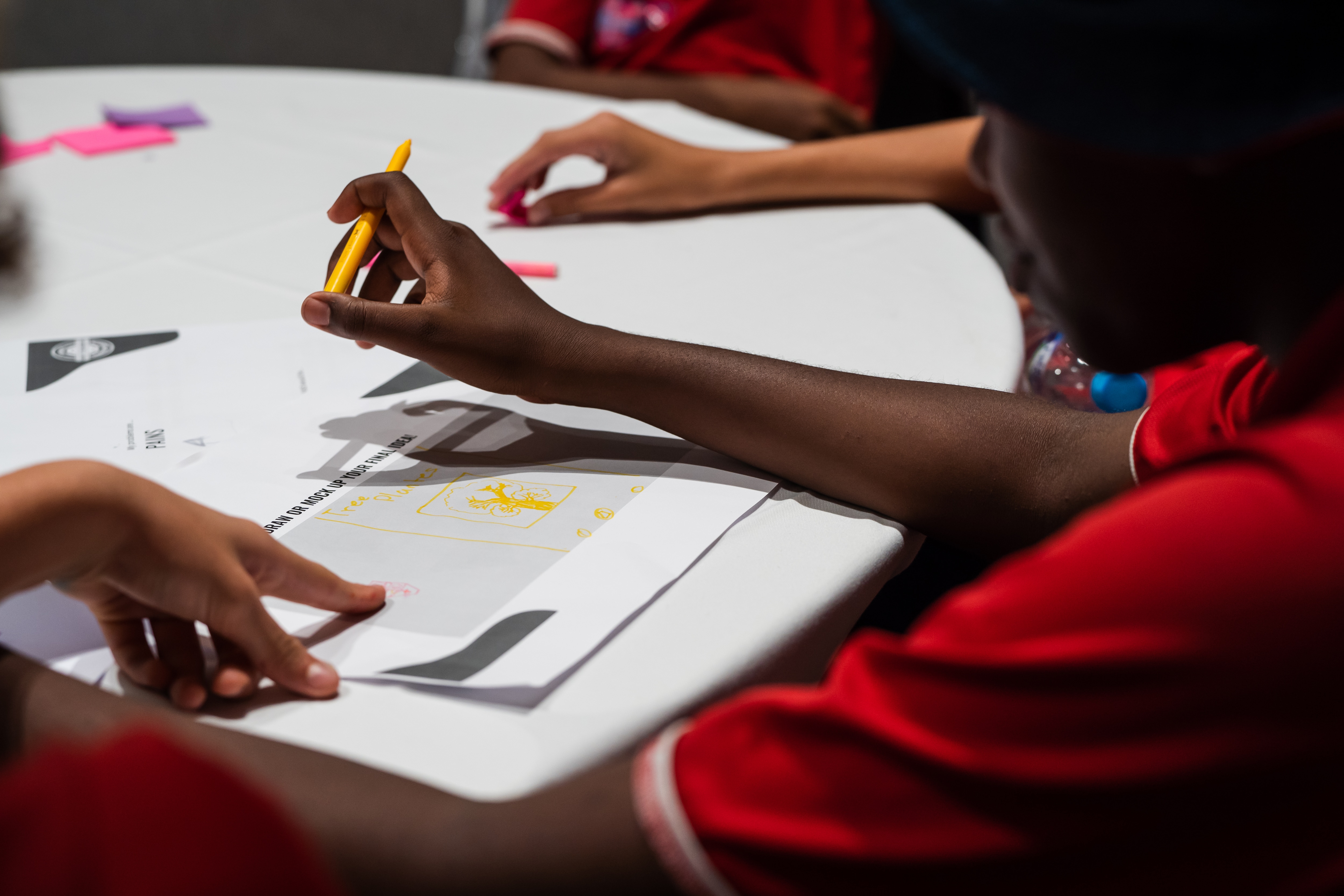
Galuwa Indigenous Experience Day welcomed high school students to the University of Technology Sydney.
UTS Galuwa Indigenous Experience Day: Scaling opportunities for First Nations youth
Infosys partnered with the University of Technology Sydney to deliver a flagship Galuwa Indigenous Experience Day, welcoming high school students to explore education, technology and leadership pathways. Galuwa, meaning 'to climb' in the Gadigal language, is designed to inspire First Nations youth to explore pathways in education, technology, and leadership. Infosys volunteers facilitated activities, provided mentorship, shared career journeys, and engaged in cultural learning. Schools reported improved attendance and students applying for leadership roles for the first time.
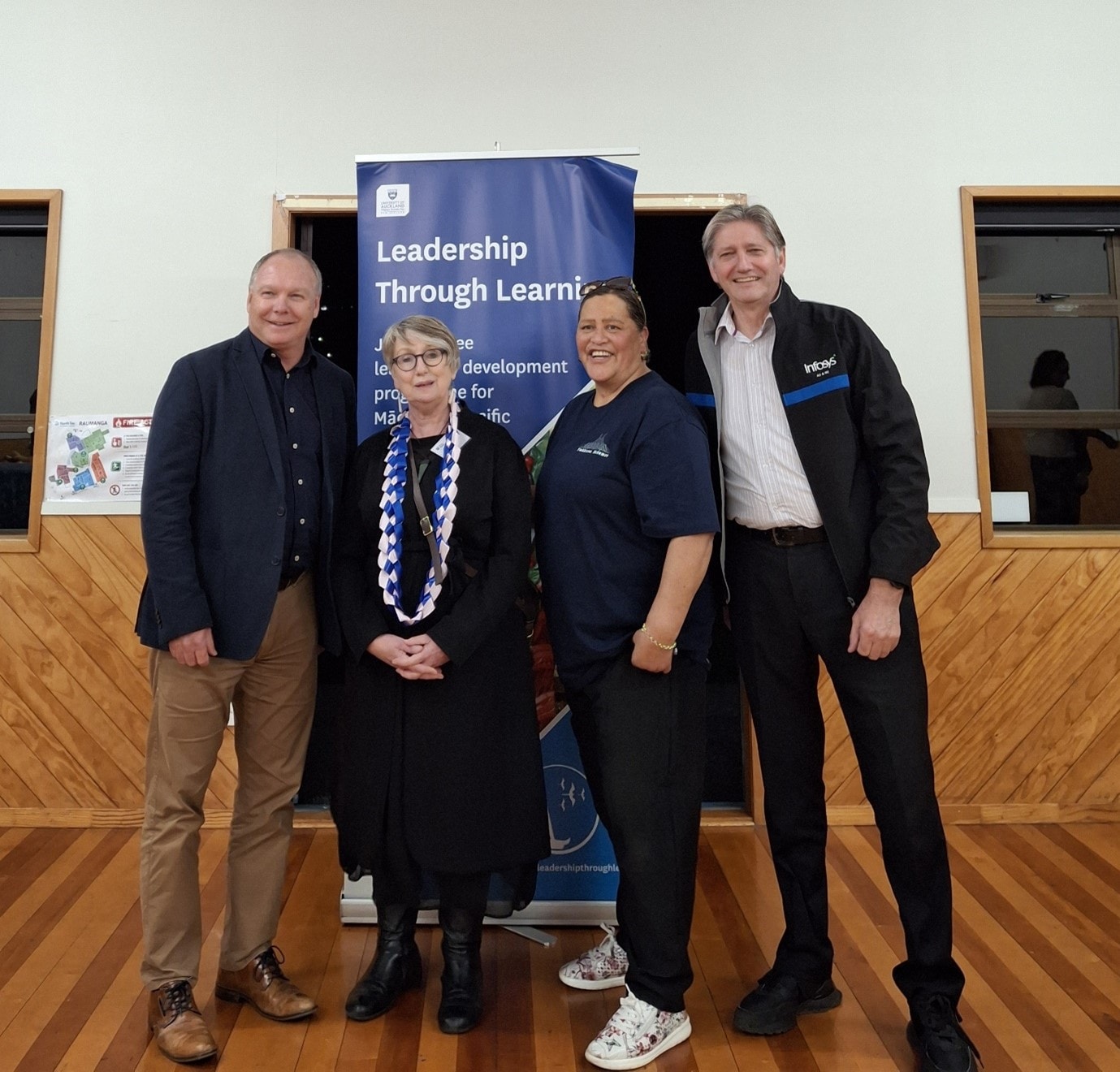
Over 30 students were mentored at the Pūtaiao Research Symposium in Aotearoa, New Zealand.
Together, these outcomes demonstrate increased confidence and applied leadership among participants, advancing Infosys' commitment to inclusive, community-backed, evidence based education and empowerment.
SPRING is an employee-led team that supports various philanthropic activities such as donation drives for blood, books and computers.

The SPRING team donated Giving Tree bags for the needy.
Since 2009 to 2025, SPRING team and Infosys China employees have supported the Community Center, Shanghai (CCS) in partnership with Shanghai Charity Foundation (SCF) Giving Tree charity program. Infosys China assisted 1,937 migrant / underprivileged students in need by donating Giving Tree bags, filled with age and gender-appropriate winter wear and school supplies.
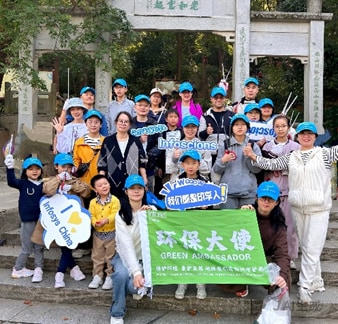
Team Green Ambassador from Infosys Hangzhou trekked the Laohe mountain range as part of a cleanliness drive.
The Infosys Hangzhou team and their families participated in a sustainability effort to clean a section of the Laohe mountain range. They began at Gudang station, hiked up the Laohe mountains, and reached Majiawu. The entire hike was about 6 kilometers, taking close to three hours to complete. Team Green Ambassador cleaned up white trash in the woods along the hiking trails on the mountainside and was praised for its green public benefit throughout the hike.


