
Skip to main content Skip to footer
Skip to footer
Aerial view of lush green forest

Water

By 2030, 50% of the global population is projected to face water scarcity, making restoration, not just reduction, imperative. The question is not just how to consume less; it is how to restore what’s been lost and advance long-term water sustainability.

100% wastewater recycled

Recognizing this urgency, Infosys has chosen to move beyond mere compliance, embedding water conservation and restoration into our water strategy. Aligning with our climate-positive goals, Infosys has turned this challenge into an opportunity by transforming our campuses into hubs of water regeneration.

Through large-scale recharge initiatives, we have sequestered billions of liters of water, revitalized local ecosystems, and enhanced water availability for surrounding communities. As part of the climate-positive initiatives, Infosys plans to recharge more than it consumes and reduce unit intensity across its operations.

Our ambition

Ensure sustainable water management by maintaining 100% wastewater recycling, reducing our overall water footprint, and implementing initiatives that enable us to sequester more water than we consume each year.

  • Maintain 100% wastewater recycling every year
  • Reduce our water footprint and enhance water availability in the communities where we operate
  • Implement initiatives to sequester more water than we consume year-on-year
Our-ambition

Infosys is focused on sequestering more water than we consume by 2030.

Our approach

As a signatory to the UN Global Compact’s CEO Water Mandate in 2014, we recognize that responsible water stewardship is both an operational need and a societal responsibility. To this effect, we have enhanced our initiatives around water conservation, efficient water use, rainwater harvesting, and maintaining zero wastewater discharge across our owned campuses in India. Wastewater from overseas offices and leased offices in India is either treated in STP or is discharged responsibly to municipal sewers in compliance with local regulations.

Efficiency

Designing for a low-water future. Minimizing consumption through operational excellence

Circularity

Closing the loop within our systems to ensure zero liquid discharge (ZLD) campuses

Community impact

Enabling water security in the community

Risk response

Risk assessment enables Infosys to understand its water-related vulnerabilities while shaping a comprehensive response strategy that considers location-specific challenges with a long-term perspective. Our Infosys is focused on sequestering more water than we consume by 2030. Infosys ESG Report 2025-26 | 62 External Document © 2026 Infosys Limited assessment framework includes hydrological and hydrogeological studies, climate-variability analysis, infrastructure resilience, and community impact.

We assess water risks across our offices through CGWA guidelines for India and WRI Aqueduct for all overseas locations and implement actions that are operationally efficient and sustainable.

By adopting a risk-to-response approach, we gain a more nuanced understanding of water risks and identify opportunities for value creation. Our water stewardship practices ensure that water is used in a socially equitable, environmentally sustainable, and economically responsible manner.

For example, our Mangalore Development Center is located on terrain with low natural water-retention capacity. To address this, we created water bodies, recharge structures, and green cover, significantly improving groundwater recharge and supporting nearby agricultural activities.

Reduce: Optimizing every drop

Reducing consumption of resources through several programs within the Company.

Rainwater harvesting at scale

It is estimated that on a rainy day, every square mile of urban land washes 80-90% of rainwater into rivers. Harvesting rainwater can help recharge and replenish the groundwater system. This helps both check flooding and handle water shortages.

Rainwater harvesting at scale

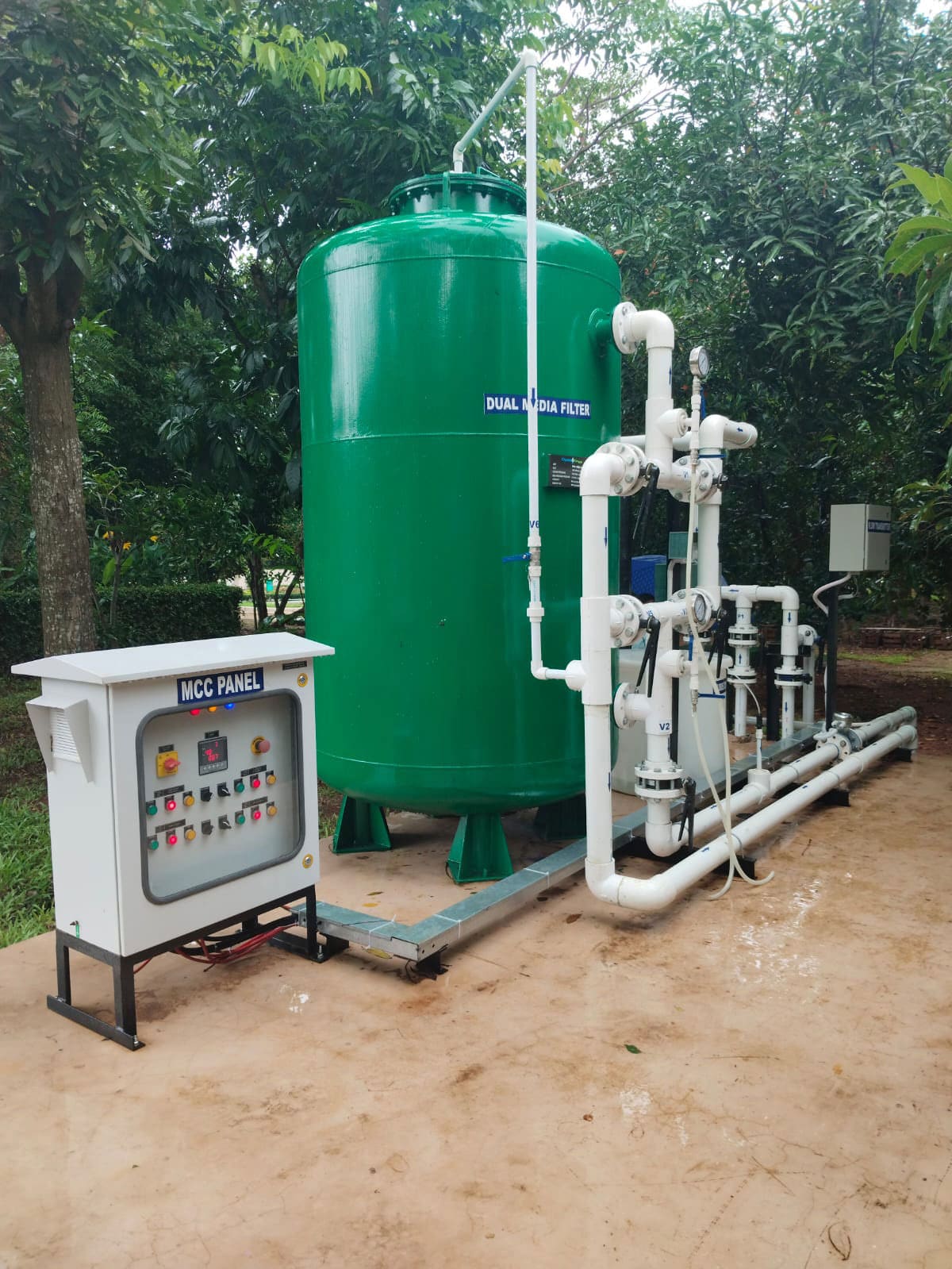
Filtration system is used to treat the rooftop rainwater before reuse.

Our campuses function as groundwater recharge zones, channeling millions of liters back into depleted aquifers.

  • 405 deep injection wells strategically installed across India campuses with a combined recharge capacity exceeding 20 million liters / day
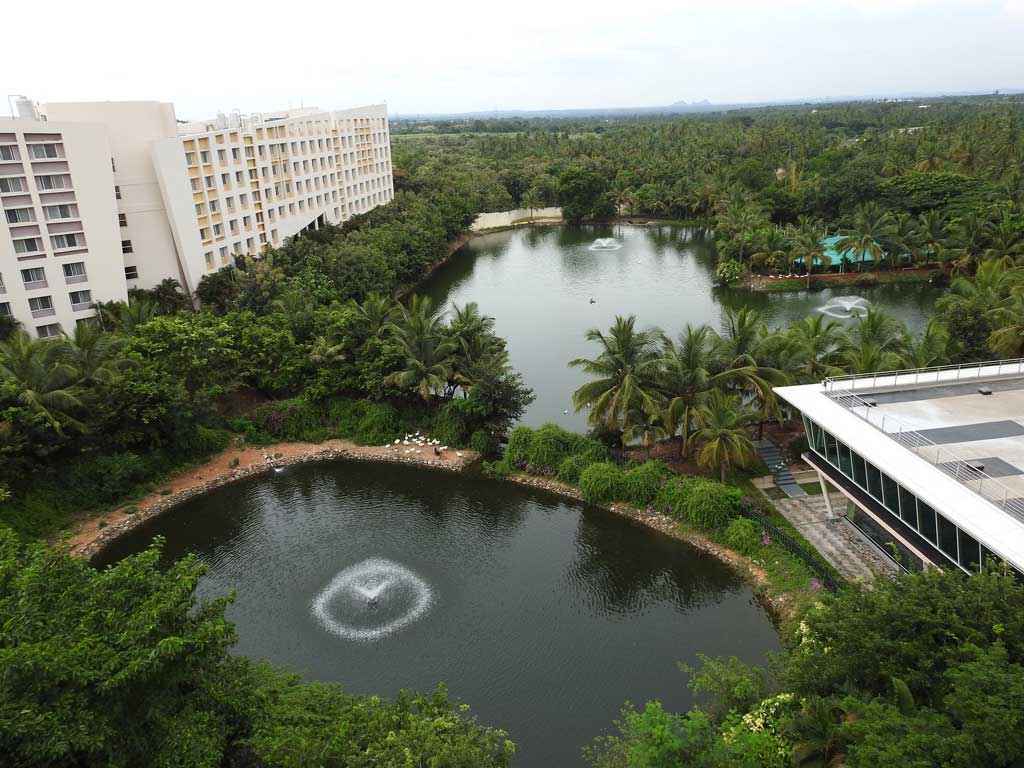
  • 40 artificial lakes created with a 430 million-liter holding capacity, designed not just for storage but as active recharge systems

Rainwater harvesting is an important part of our water stewardship goal, and rooftop rainwater harvesting, harvesting tanks, recharge wells, and artificial lakes are built on India campuses to reduce external freshwater dependency and help replenish the groundwater table in the communities we operate. We continue our efforts to extend this initiative across locations to optimize the freshwater consumption.

Roof-top rainwater harvesting systems have been installed on most campuses, helping us reduce freshwater consumption. Roof rainwater harvesting has been highly beneficial for offsetting freshwater consumption from external sources. This is an initiative we have as a long-term target to achieve water positivity

Rainwater collection - in KL

Rainwater collection chart

As of fiscal 2026, 31.1 lakh sq. ft. of roof area was enabled for rainwater harvesting, which amounts to 52% of the total rooftop area with potential for rainwater harvesting.

Seamless operations, performance measurement, and management

With knowledge of the legislative requirements, we ensure that our suppliers provide water from legal sources and of appropriate quality. Water requirements for the locations are computed based on the design time, considering water as a scarce resource.

Alternate sourcing is ensured through defined mechanisms, including periodic sample sourcing and evaluation. Storage facility capacities have been enhanced to ensure uninterrupted operations. Water treatment systems (e.g., softeners, reverse osmosis) are maintained, installed, or upgraded across locations to achieve required treatment standards and enable reuse.

Case Study

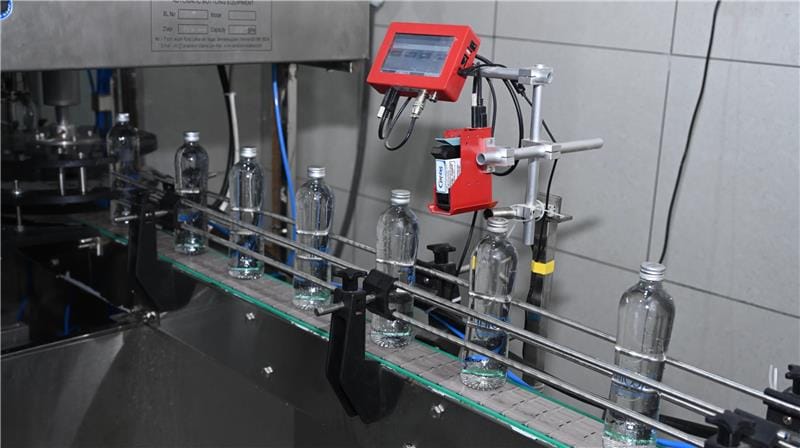
Water bottling plant in our Bengaluru campus

The 150-liter per hour water bottling facility setup at our Bengaluru campus supports a more sustainable and efficient approach to drinking water needs.

Smart infrastructure and technology

We leverage technology to monitor and manage our water consumption efficiently.

Smart infrastructure and technology

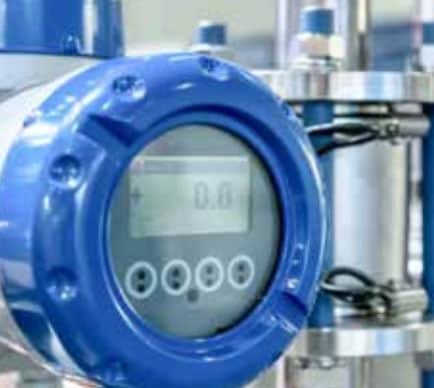
Smart water meters help track real-time consumption.

Smart water metering systems across most of our campuses enable early detection of issues such as leaks and blockages, reduce unaccounted water, identify conservation opportunities, and generate insights that inform future facility designs. These meters are integrated into our central monitoring platform, allowing us to track water flow and real-time consumption patterns with greater accuracy and control.

Smart irrigation systems

Smart irrigation systems are piloted at a few of our campuses. We plan to expand it gradually across other campuses.

Additionally, we continue to reduce lawn cover, and increase tree cover and plant native species to lower irrigation water demand.

Integrated water management in design of new infrastructure

Water management is an important part of new campus and building designs at Infosys.

Dual plumbing systems, efficient water fixtures, pressure regulating valves and smart monitoring are integrated into building design and construction. Our water demand in new buildings is less than 24 liters/person per day, which is among the lowest in the industry. This is also about 47% more efficient than the National Building Code-suggested limits for office water consumption.

Roof-top rainwater harvesting is ensured in the building while water bodies are planned in the campus based on topography.

Re-engineering and retrofit projects

To conserve fresh water in existing buildings, various measures have been undertaken to minimize water demand.

Water distribution and treatment strategies have been enhanced with re-engineering and modifications. This includes upgrading existing plants with high-recovery treatment systems, energy-efficient electromechanical equipment, and automated monitoring of flow and levels, as well as specific water-quality parameters.

Wastewater recycling

We remain committed to the long-term goal of zero wastewater discharge and to 100% wastewater recycling across our campuses.

Wastewater recycling

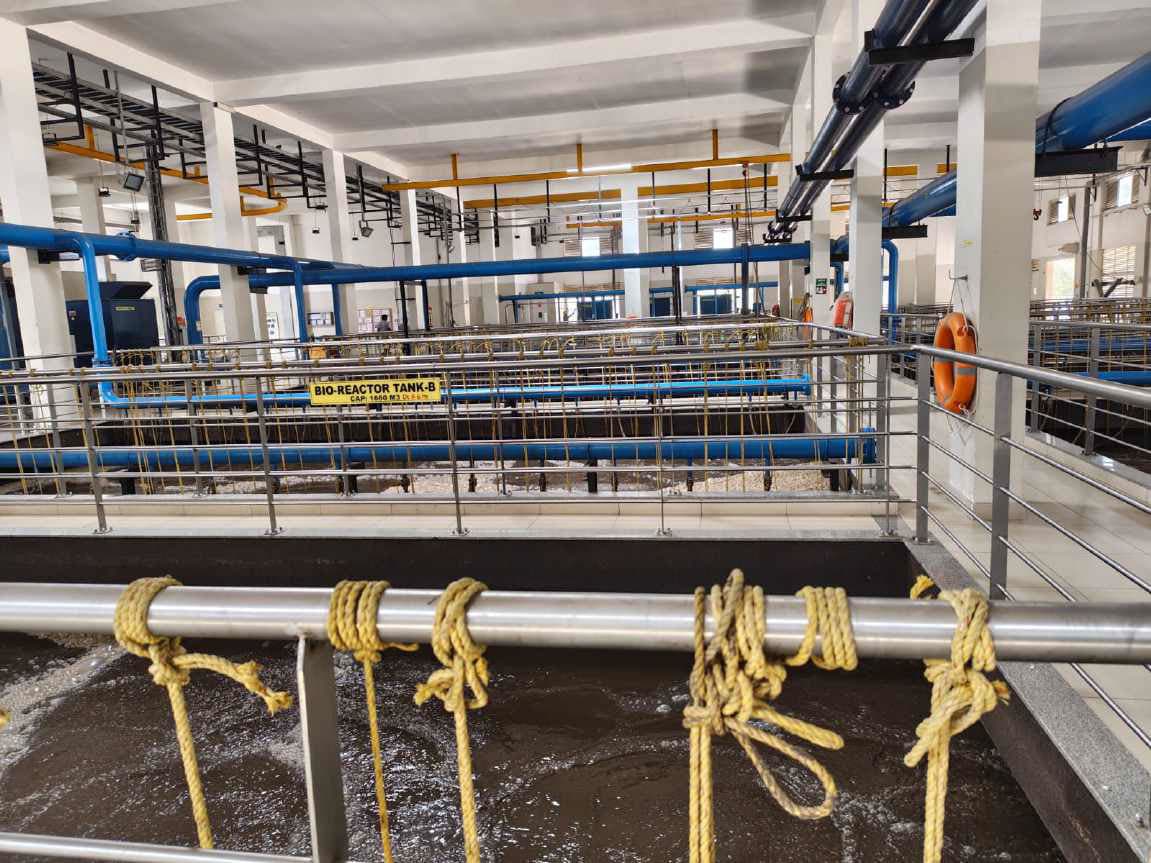
Infosys uses advanced membrane bioreactor technology in Sewage Treatment Plants to treat wastewater.

All wastewater generated – entirely domestic – is routed to state-of-the-art Sewage Treatment Plants (STPs), where it undergoes tertiary treatment using advanced membrane bioreactor technology, producing output that meets environmental/legislative requirements. Older plants have been retrofitted to improve recovery, efficiency, and treated water quality. Treated water is then fully reused for secondary applications such as landscaping, flushing, and cooling towers, supported by dual-piping systems and continuous quality monitoring to ensure full compliance with environmental norms. This process significantly reduces our dependence on freshwater sourcing and enhances operational resilience across locations, including leased sites where wastewater is directed to STPs or centralized treatment facilities.

  • 100% wastewater recycled; about 1,869 million liters treated annually and reused for flushing, irrigation, and cooling towers on our campuses
  • 31 Sewage Treatment Plants (STPs) with 20.5 MLD total capacity across India

Greywater procurement

With a view to further reducing the need for water sourcing, we also procure secondary-quality water through authorized agencies/authorities to meet our water demand for non-potable applications, thereby reducing our freshwater dependency to the extent of grey water procured and enabling more effective freshwater conversation.

Restore: Replenishing water-stressed ecosystems

Infosys recognizes that true water stewardship extends beyond our campus boundaries. In regions where groundwater depletion threatens communities, we are investing in large-scale restoration initiatives that actively replenish aquifers and revive degraded water bodies.

Urban aquifer recharge

We installed deep injection wells and ponds to recharge underground aquifers across campuses. This is a continuing journey in our newer campuses as well.

Underwater filter

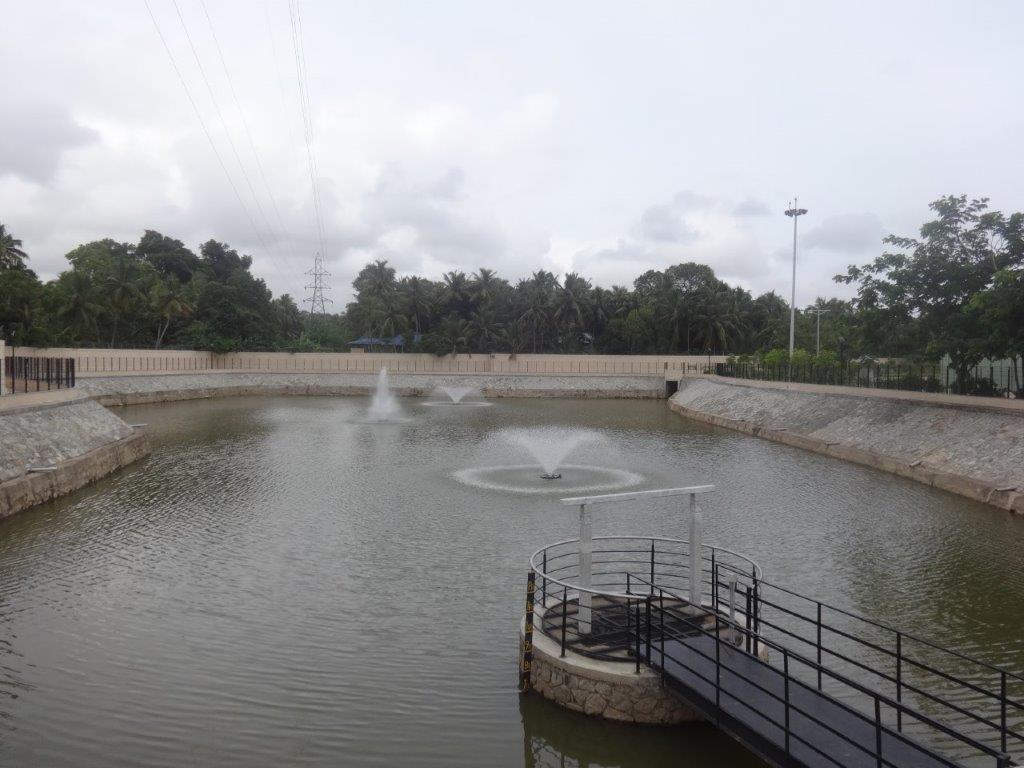
The ponds on campuses aid in replenishing the groundwater table.

Our efforts in rainwater harvesting have not only improved the local ecosystem on our campuses and reduced our water demand, but also had a positive impact on the surrounding communities by replenishing the groundwater table.

Rejuvenating water bodies

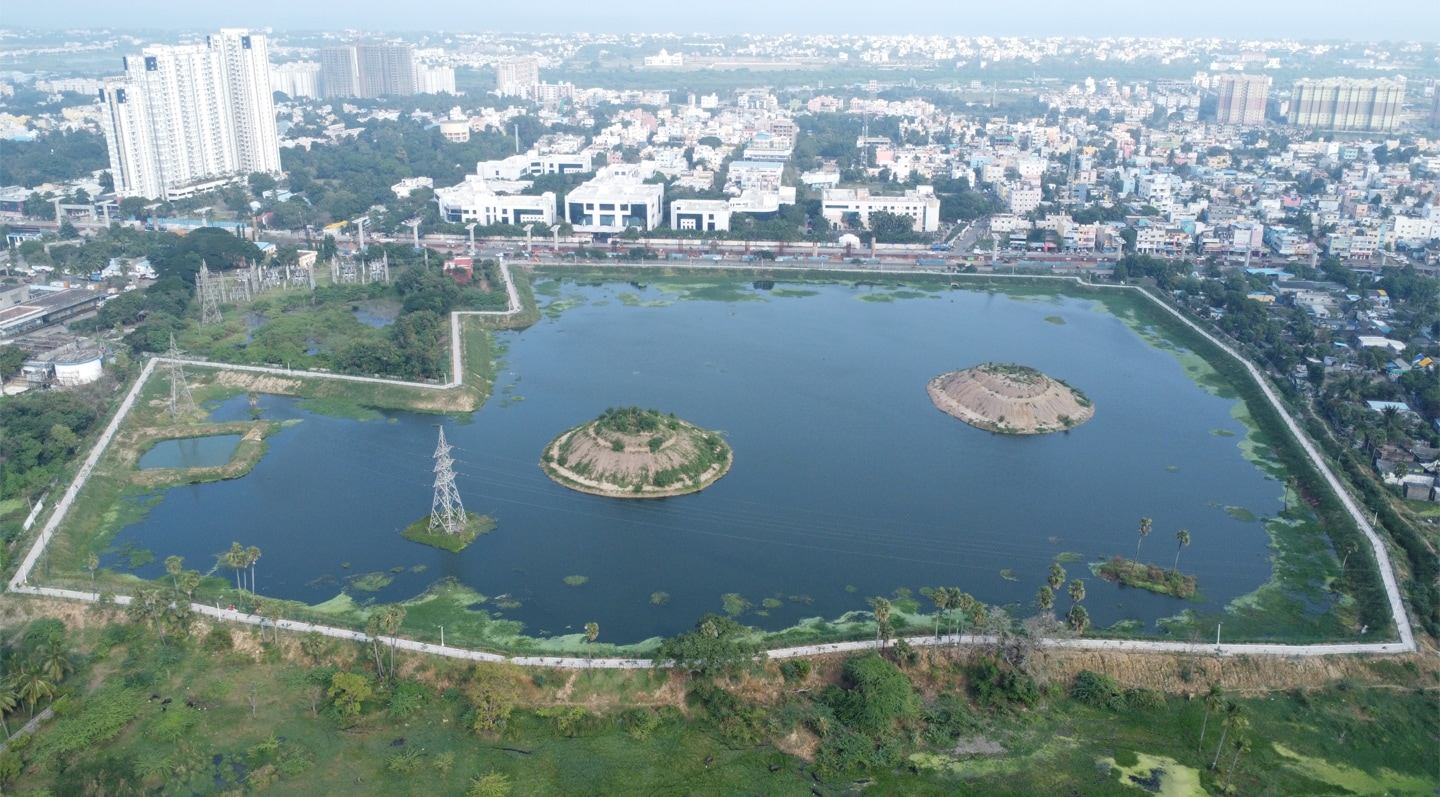
In the past three years, Infosys supported lake rejuvenation projects, in partnership with local stakeholders across multiple states, including Karnataka, Tamil Nadu and Odisha.

Our lake rejuvenation efforts increased the cumulative storage capacity from 6 bn liters to 10.3 bn liters, adding 4.3 bn liters of freshwater capacity. These projects have helped recharge aquifers, reduce flood risks, and transform degraded water bodies into thriving community ecosystems.

Lake restoration video

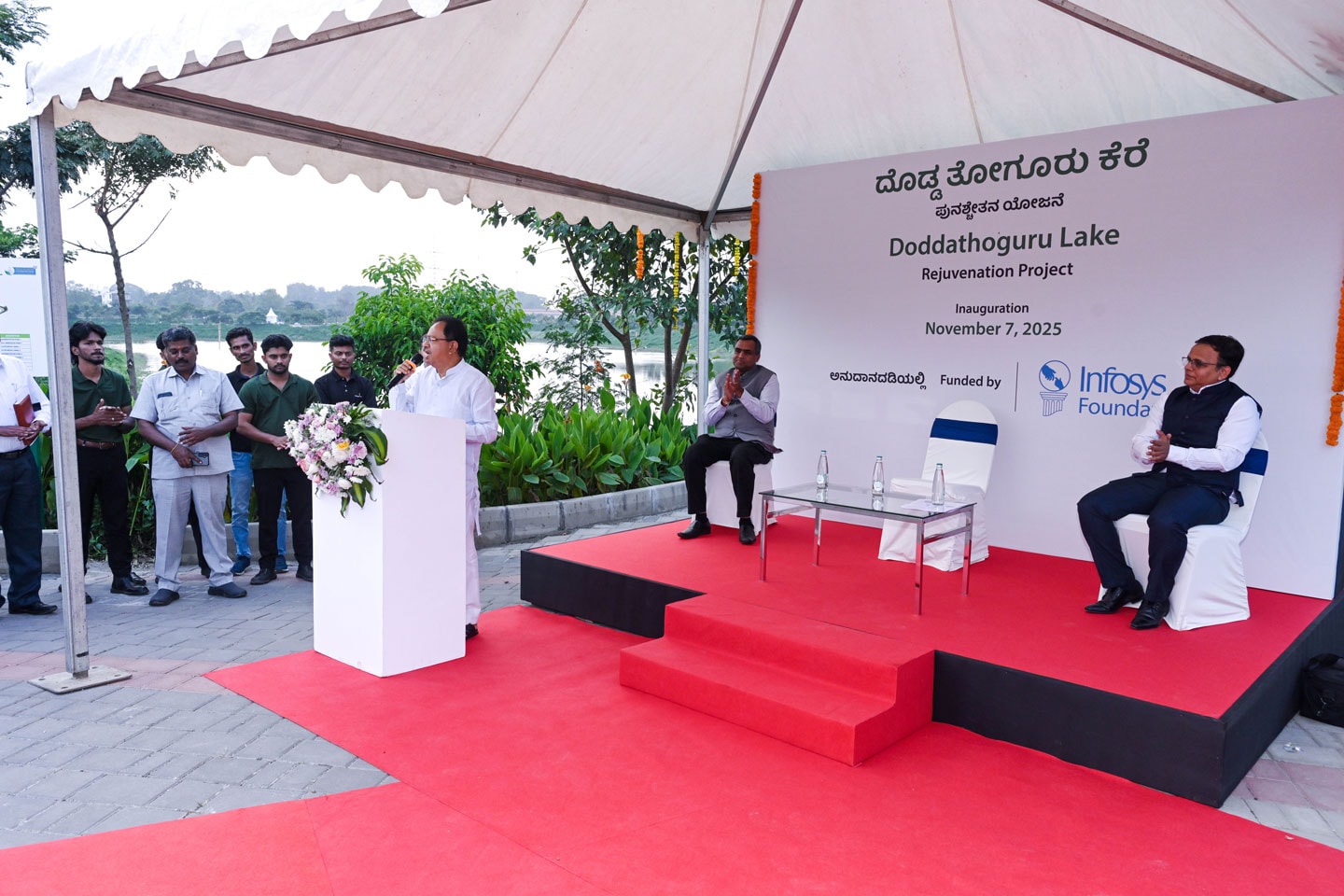
The inauguration of the rejuvenated Doddathoguru Lake in Bengaluru was held on November 7, 2025.

Water security is central to India’s environmental resilience and inclusive growth. Rapid urbanization, climate variability, and declining groundwater levels have placed significant stress on freshwater ecosystems – particularly lakes, which historically played a vital role in recharge, flood moderation, and biodiversity. At Infosys, water stewardship is a strategic ESG priority, guided by the belief that long-term business resilience is inseparable from ecological well-being.

Our work on water body rejuvenation reflects this commitment in action. It represents a structured, outcome-driven approach to restoring degraded water bodies while building a scalable model for collective impact across India.

In water-stressed regions, lake rejuvenation is not just environmental restoration - it is an investment in long-term social and economic resilience. Recognizing this, Infosys has focused on lake rejuvenation as a key lever to enhance water availability beyond its operational footprint, complementing strong in‑campus practices such as water efficiency, rainwater harvesting, and 100% wastewater recycling.

We continue our efforts towards our commitment to rejuvenate water bodies and create a positive impact on the communities.

Lake restoration video

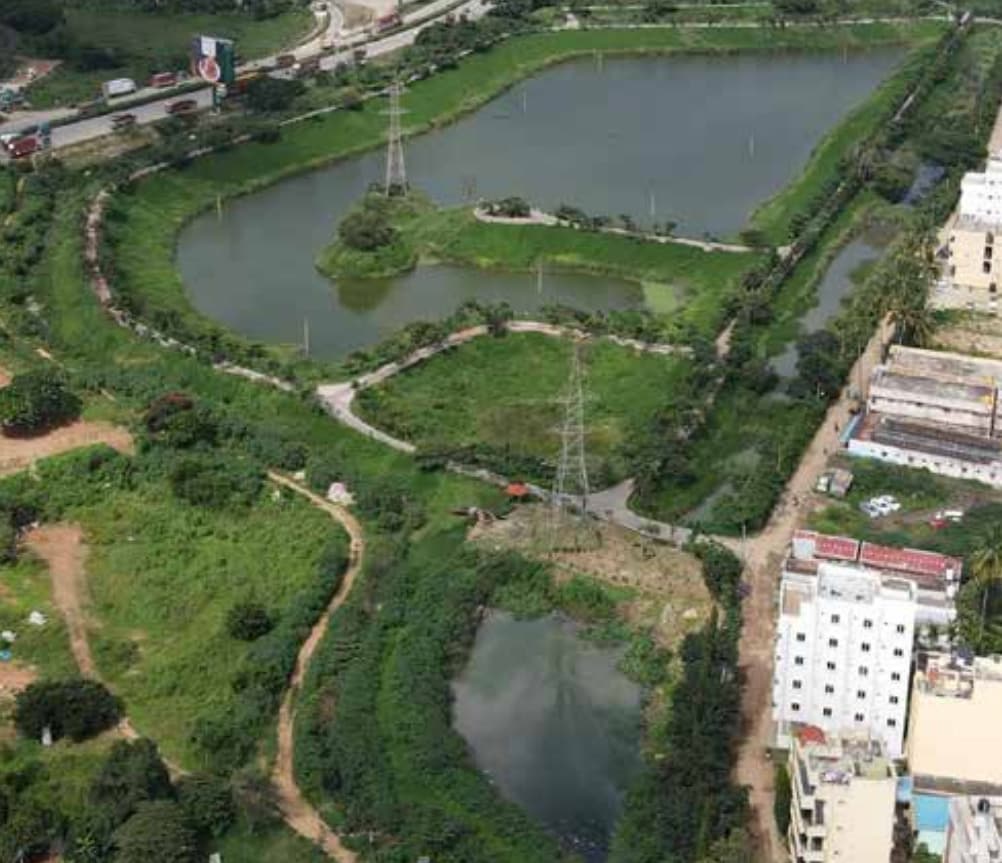
The rejuvenation project at Doddathoguru Lake has transformed the once-degraded lake into a thriving ecosystem.

Water positive certification

In continuation of our efforts on achieving water positive / neutral status based on NITI AAYOG guidelines in our campuses, we achieved Scope 1 certification at nine of our campuses in India - Chennai Mahindra City, Chennai Sholinganallur, Trivandrum, Mysore, Hyderabad SEZ, Hyderabad STPI, Chandigarh, Bhubaneswar SEZ, and Bhubaneswar STPI this year.

Scope 1 covers operational efficiency and focuses on direct water resource offsets, considering both quantity and quality using the 3M and 7R approach, and on evaluating site-level water use and impact at the watershed level.

Our water management initiatives go far beyond compliance and conservation targets. This journey is not only about managing resources efficiently but also building awareness and driving behavioral change – one that redefines our relationship with water as a shared responsibility.