

Insights
- Retail employees are curious about AI, and they already see benefits comparable to other industries.
- But lower confidence, infrequent use, and limited organizational support risk slowing adoption.
- To turn curiosity into sustained use, retailers must create suitable conditions through visible leadership, role-relevant tools, clear guardrails, and a compelling AI vision.
Executive summary
AI is becoming integral to retail transformation, as it can address several of the industry’s most pressing challenges simultaneously: improving customer experiences, increasing operational efficiency, protecting margins, and enabling faster decision-making. This reflects the industry’s need to become more agile, efficient, and responsive to changing customer expectations. As AI moves from isolated use cases toward broader adoption, retailers have an opportunity to fundamentally reshape how work gets done and value is created.
For its AI and the Future of Work report, Infosys surveyed over 2,600 white-collar employees across industries globally. Of these employees, 117 were from the retail industry. The research shows that retail employees are open to the possibilities of AI and recognize its potential benefits. This signals significant potential for adoption. But retail employees’ low confidence about AI and insufficient support and direction from the organization are preventing this interest from translating into routine use. Addressing this requires retail organizations to build an environment where employees feel equipped and encouraged to work with AI.

Strong foundations for AI adoption
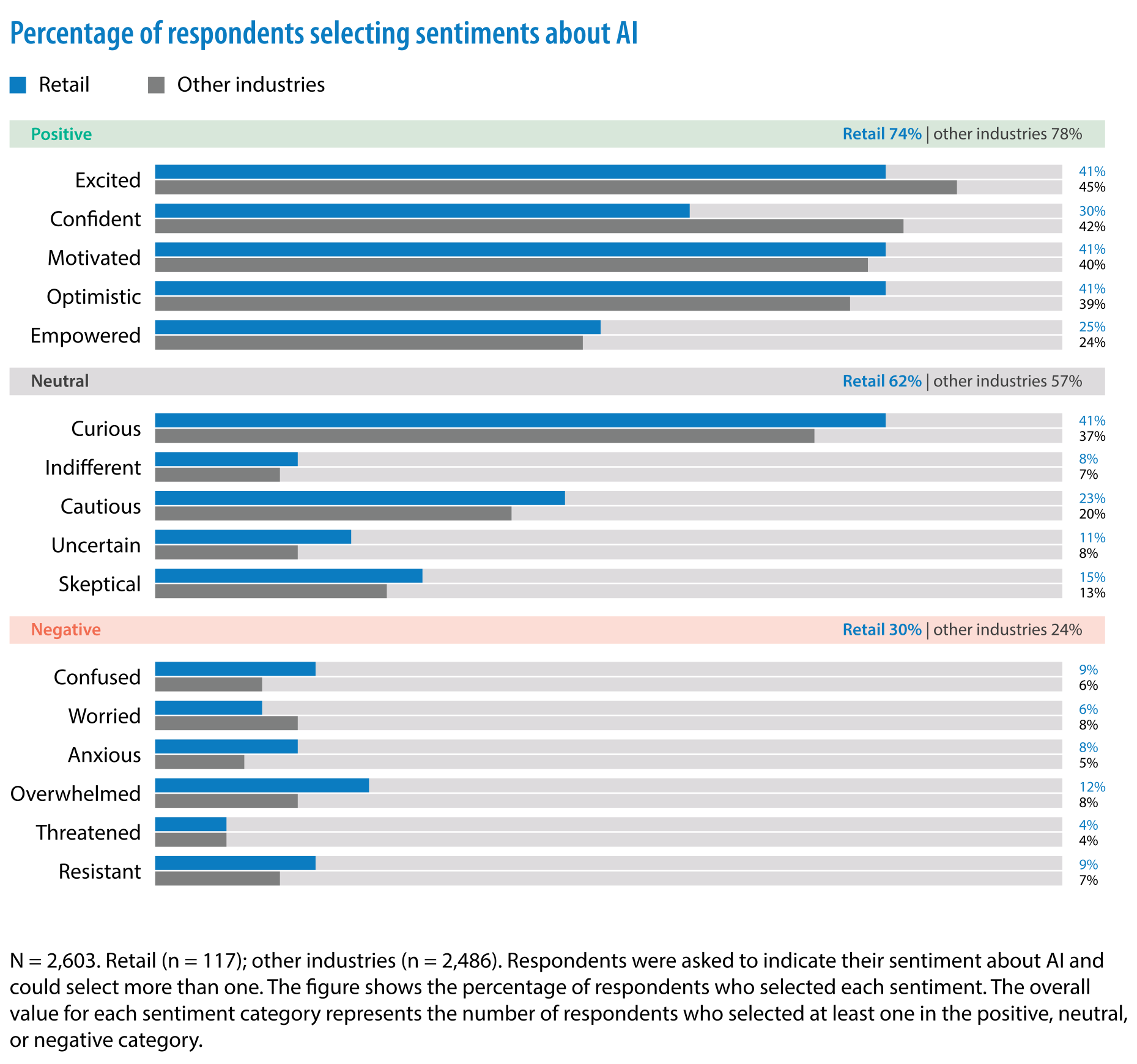
The Infosys research measured how employees feel about AI and found that a majority of the employees across the industries surveyed are excited, confident, or optimistic about AI. It found that retail respondents in particular are more likely to be curious about using AI than those in other industries (Figure 1). Considering that the top tasks that retail employees use AI for — conducting search, summarizing information, creating written or visual content, doing research, and communicating with customers as part of customer service — their greater curiosity might be stemming from AI’s practical relevance to their work, whether for everyday tasks or customer service.
Figure 1. Retail employees display greater curiosity about AI than their peers in other industries
Source: Infosys Knowledge Institute
Retail employees are at par with employees in other industries in their use of AI for these tasks, but are more likely to use AI to manage schedules or emails. A potential reason is the operational nature of retail work. Retail employees often work in environments characterized by variable shifts, frequent schedule changes, high volumes of day-to-day coordination, and communication across stores, managers, and teams. And AI could be helping them organize schedules, manage shift-related communication and emails, or draft routine messages.

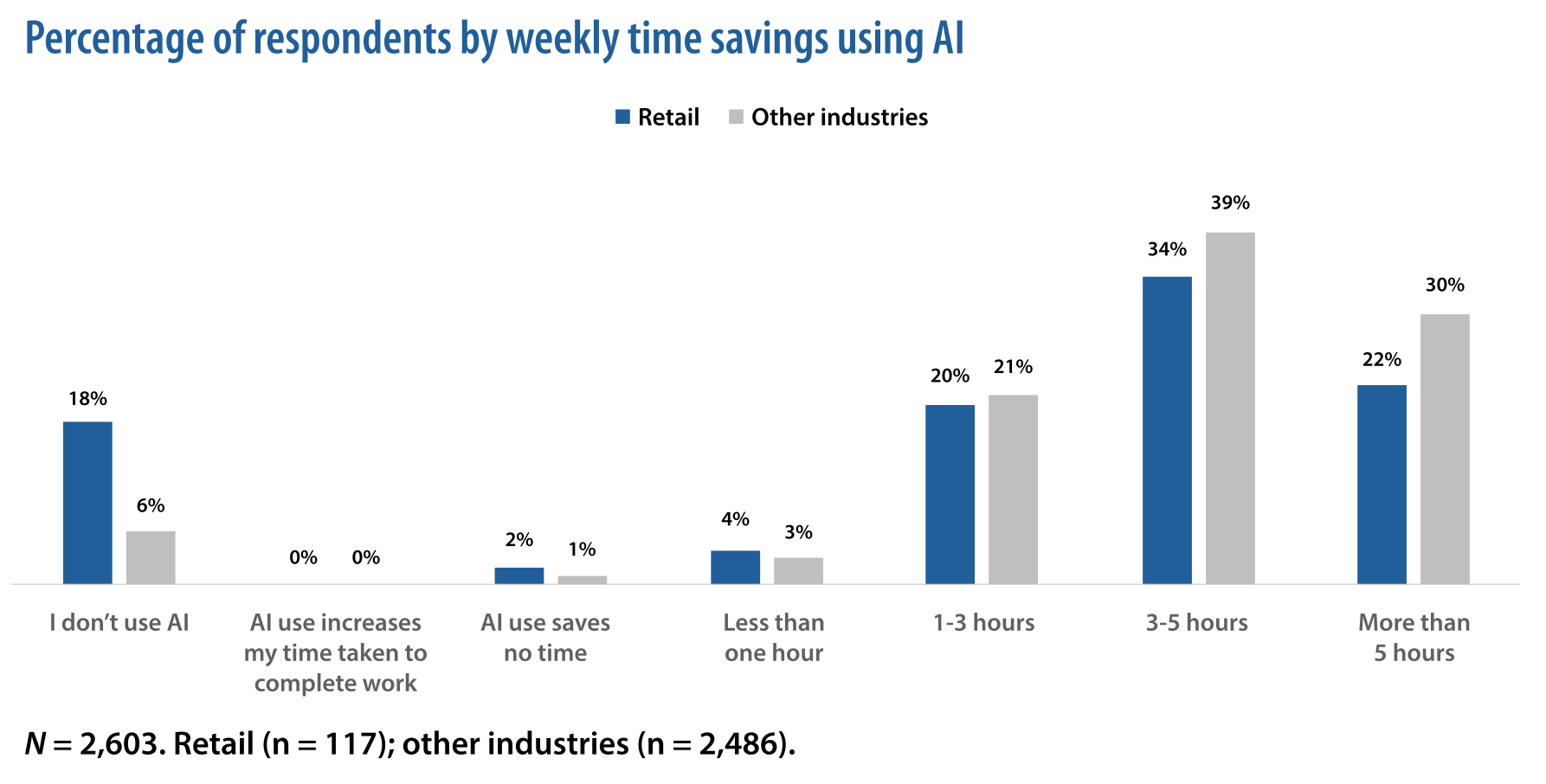
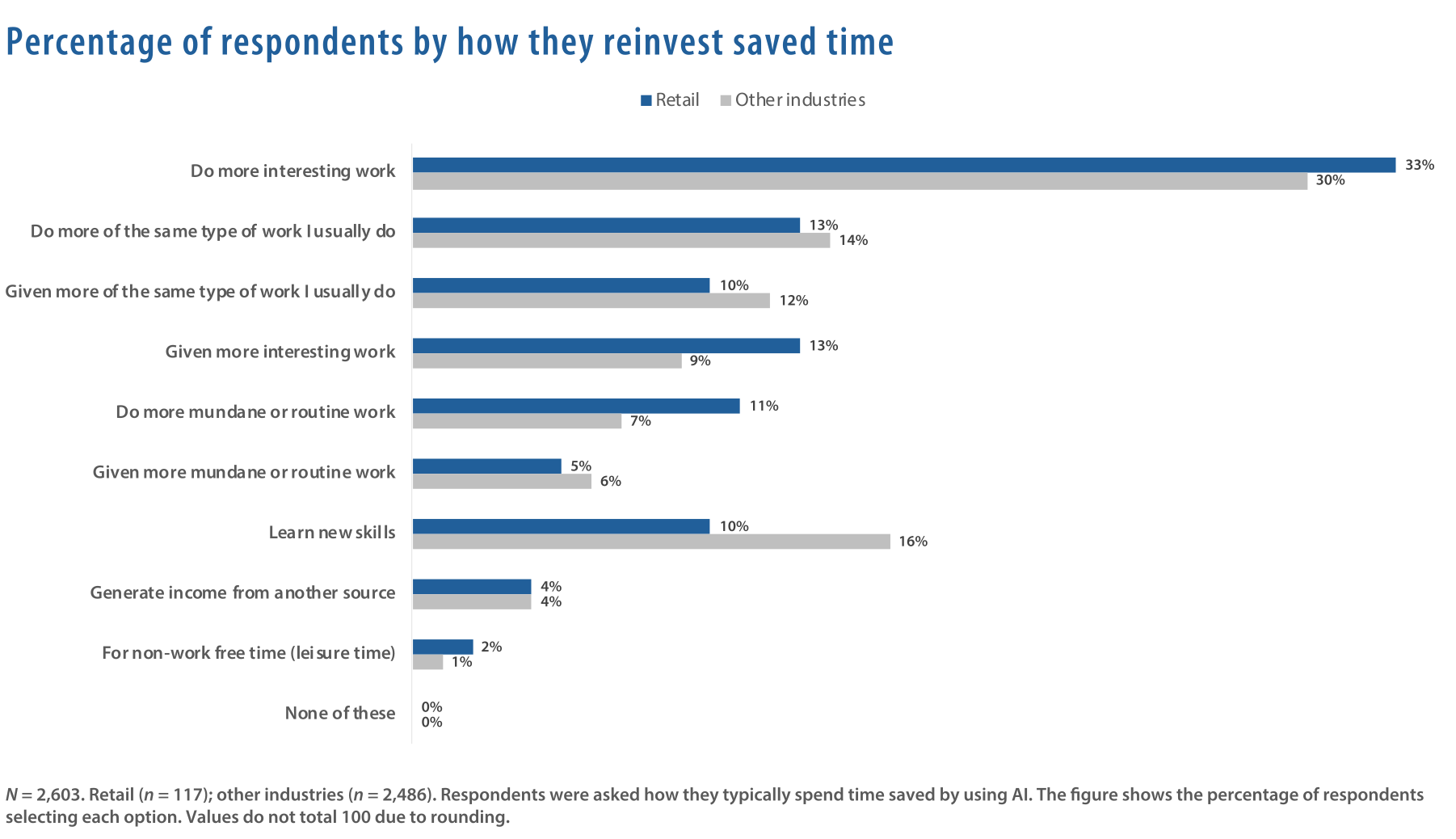
Retail employees are more likely than those in other industries to report AI use at work and promote it; they also report benefits such as time savings from their AI usage. Nearly 35% said they save between three and five hours a week, while 22% reported time savings of over five hours (Figure 2). A majority of the retail respondents (85%) are doing more work with the time saved, suggesting increased productivity, while 46% say they are doing more interesting work with the time saved (Figure 3). This suggests that AI is creating space for employees to focus on more meaningful, engaging, and higher-value work.
Figure 2. AI delivers time savings for retail employees
Source: Infosys Knowledge Institute
Figure 3. Retail employees do higher-value work with time saved
Source: Infosys Knowledge Institute
All this points to strong momentum for AI adoption among retail employees. Yet significant challenges remain.

Critical gaps could constrain AI adoption
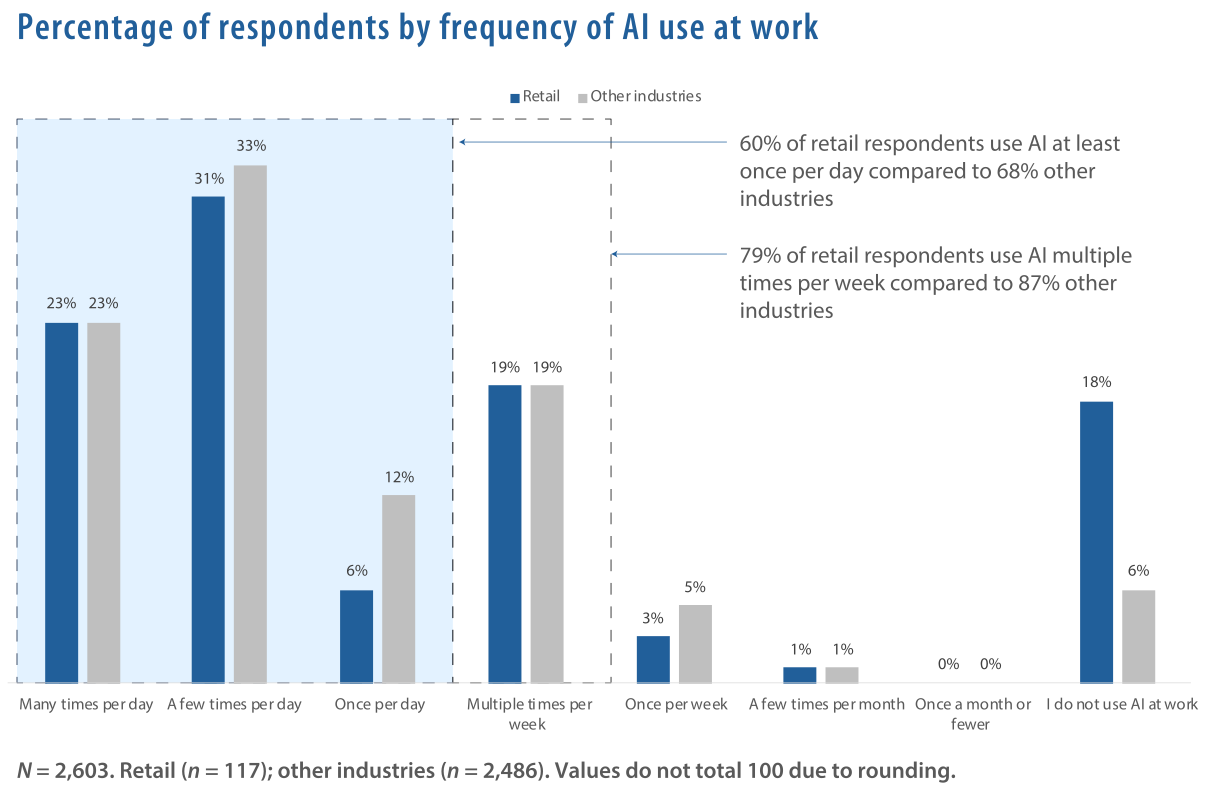
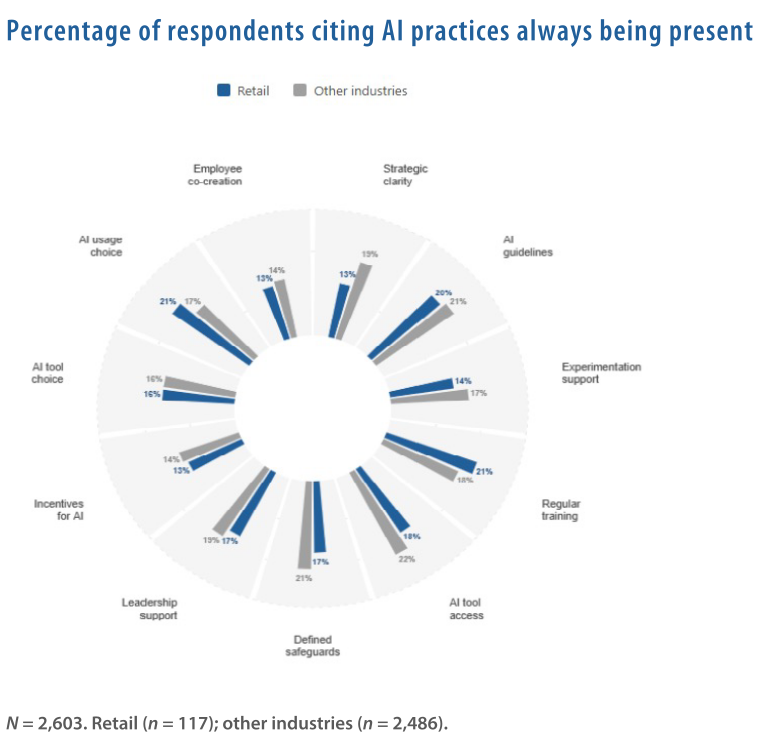
Our research found that while 60% of retail employees are using AI at least once per day, and 79% are using it multiple times per week, they are lagging in these areas when compared with other industries where the usage is 68% and 87%, respectively (Figure 4). This could be because of a lack of access to AI tools: only 18% of retail respondents say that access to AI tools is always provided in their organizations.
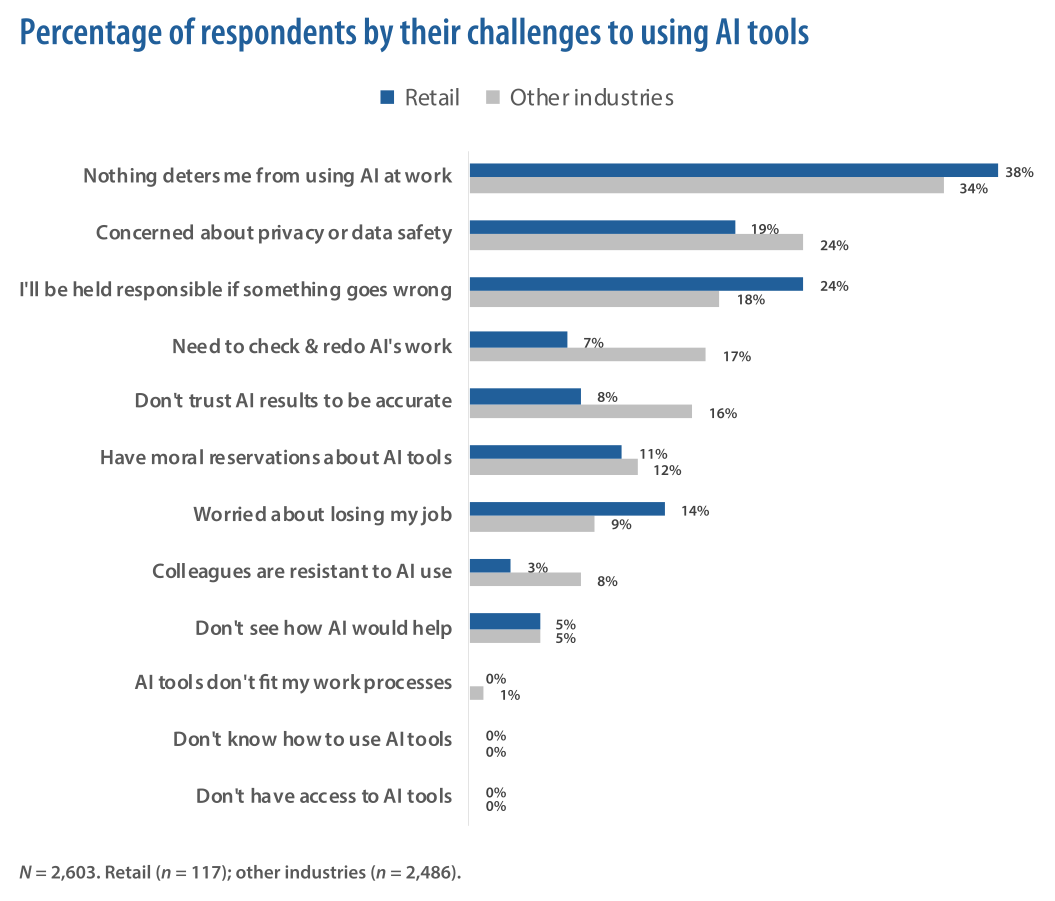
Only 38% of retail employees say that nothing deters them from using AI at work. However, the number of retail employees not using AI tools at work (18%) is three times as high as the rest of the industries (6%).
Figure 4. Retail employees use AI less frequently than peers in other industries
Source: Infosys Knowledge Institute
Another issue is that retail employees are significantly less confident about using AI and more overwhelmed by it than their counterparts in other industries. This lack of confidence might be because only 13% say their organizations always provide strategic clarity and experimentation support (Figure 5). Retail employees also have concerns about privacy or data safety when it comes to using AI, and fear being held accountable if something goes wrong (Figure 6). Collectively, these challenges are slowing AI adoption among retail employees.
Figure 5. Key conditions for AI adoption remain lacking for retail employees
Source: Infosys Knowledge Institute
Figure 6. Retail employees face barriers to using AI
Source: Infosys Knowledge Institute
People as the key to AI value
While organizations are racing to deploy enterprise AI and capture its potential benefits, realizing its full value depends on their ability to equip and empower employees to use AI effectively. Retail organizations, too, will need to proactively manage their employees’ sentiments toward AI to develop their confidence in using AI and reduce their sense of being overwhelmed. Employers will also need to understand and address the barriers to adoption, and provide a supportive environment that enables employees to embrace and use AI effectively.
The formula for success
How organizations can reduce friction around AI adoption and help employees navigate the transition to AI:
Visible leadership behavior: Leaders should actively demonstrate their own use of AI and share both successes and failures openly. Transparency about what worked, what did not, and what was learned can help demystify AI, set realistic expectations, and give employees greater confidence to experiment without fear of getting it wrong. This creates psychological safety among employees to freely express their experiences with AI.

Curated, role-relevant AI tools: Organizations must provide employees with access to AI tools to encourage use. Additionally, a focused set of AI tools tailored to their roles and specific workflows, rather than a wide range of overlapping tools, can help minimize tool sprawl, and reduce digital overwhelm.
"Organizations sometimes deploy AI tools to tick a box or demonstrate progress on adoption, without sufficiently considering their relevance to employees’ genuine needs and workflows. The priority should be to equip employees with the right AI tools for their roles that deliver tangible value to their day-to-day work instead of overwhelming them with solutions they may not need,” says Neeraj Singhi, industry principal, Domain Consulting Group at Infosys. He adds: “Tool overload is only one part of the challenge; a lack of understanding of how to use AI effectively can be equally overwhelming. Targeted training and enablement are therefore critical to ensuring employees can use these tools confidently and productively.”

Clear and consistent communication: Organizations should explain to employees the vision and strategy behind why AI is being introduced, how it will support employees in their roles, and what it could mean for their day-to-day work and future opportunities. Clarity can help reduce uncertainty and address concerns about job displacement, get employees’ buy-in on AI use, and encourage them to use AI more frequently.
Phil Benton, partner at Infosys Consulting, says: “The lesson of the last 300 years is that technology has rarely destroyed work in aggregate; it has changed what work is. Societies have repeatedly invented new jobs, new industries, and new sources of value. AI may well follow that pattern, but the transition will not feel abstract to people whose tasks are changing now. Some work will be automated, some roles will be reshaped, and some new roles will emerge. The job of leadership is not to pretend there is no disruption, but to be honest about it and help people adapt.”
Well-defined guardrails and guidelines: Organizations must provide employees with clear guidance on how, when, and where AI should be used, including boundaries around data privacy, security, and responsible use. Well-defined guardrails can reduce uncertainty and give employees the confidence to experiment with AI safely and responsibly. Leaders can also recognize employees who test new AI-enabled ways of working, reinforcing that learning and responsible experimentation are valued. Additionally, organizations should move beyond generic AI education and provide hands-on training tied to employees’ specific roles and workflows. Employees are more likely to adopt AI when they can clearly see how it makes their work easier or more effective.
AI adoption among retail respondents is on a promising trajectory. By addressing the barriers and concerns that remain, organizations can further strengthen employee confidence and drive adoption.


Retailers must prioritize AI-powered supply chain intelligence, seamless omnichannel experiences, and personalization to drive growth and resilience.
- 08 Sep, 2026
- 15 min read

Companies that tailor their offerings and messaging to evolving consumer priorities will be better equipped to sustain demand as spending becomes more selective.
- 30 Jul, 2026
- 12 min read

Scaling AI adoption demands enterprise-wide transformation across operations, models, and culture.
- 29 Jul, 2026
