

Insights
- Value-seeking is becoming a lasting consumer behavior. Brands must build growth through volume, mix, and differentiation — not price increases — while investing in loyalty ecosystems that reduce retailer dependency.
- Asia-Pacific leads on growth momentum; North America anchors global scale. Winning in both requires regionally calibrated strategies along with uniform global playbooks.
- Regulatory pressure is compounding. FDA reformulation deadlines, US tariff volatility, and stricter ESG disclosure requirements demand proactive supply chain resilience and governance agility.
- AI is already improving CPG margins through smarter supply chains and demand forecasting. Agentic commerce is the next frontier and could reshape how products are discovered and purchased.
Executive summary
The global consumer packaged goods (CPG) industry is navigating a period of significant transformation, shaped by intensifying competition, shifting consumer priorities, margin pressures due to supply chain disruptions, and mounting cost challenges. Research shows that 47% of consumers globally, including 35% of high-income households, are now classified as value seekers, regularly trading convenience for lower costs and prioritizing budget-conscious, deal-driven purchases.
While long-term structural growth drivers remain intact — including rising consumer demand, e-commerce expansion, and growing interest in sustainability and personalization — CPG executives face a more complex operating environment than at any point in recent years. Consumers globally are coping with rising food prices by focusing on two key strategies: minimizing food waste at home and limiting purchases to essential items. In the US, rising prices continue to be the top concern among consumers, with the share citing inflation as a key issue increasing by six percentage points from the first quarter of 2026 to the second quarter, to 52%. Concerns about the ability to meet everyday financial obligations also showed an upward trend, increasing by two percentage points to 25%.
The competitive landscape continues to be defined by global leaders, including Procter & Gamble, Unilever, Nestlé, Coca-Cola, PepsiCo, Danone, and Colgate-Palmolive. As consumers will not accept price increases easily, these players are doubling down on innovation, sustainability credentials, and digital capabilities, raising the bar for differentiation across the category to increase their volumes, and placing mounting pressure on mid-tier and challenger brands to respond with greater agility and precision. For instance, Nestlé has expanded the Maggi portfolio with a new range of air fryer seasonings and crispy coatings, making it easier for consumers to prepare flavorful meals at home. PepsiCo is focusing on better-for-you products, including zero-sugar drinks, protein-enhanced beverages, and snacks made with whole grains.
Growth in the sector is being driven by several converging forces. E-commerce continues its rapid expansion as consumers prioritize convenience and digital access, with online channels outpacing traditional retail across most markets. Simultaneously, rising consumer expectations around personalization, product innovation, and ethical and sustainable sourcing are reshaping what growth looks like — and which companies are positioned to capture it.
Yet these opportunities are accompanied by headwinds. Rising input costs across raw materials, energy, packaging, and logistics continue to compress margins, while companies find it increasingly difficult to pass on price increases without sacrificing volume. Consumer sensitivity to price has intensified amid broader economic uncertainty. Shoppers are routinely giving up conveniences to save money and opting for value-tier alternatives, as well as products with discounts, promotions, or deals. A recent survey of US consumers found that many people are reducing their spending by shopping at cheaper stores, with 50% to 60% switching to budget-friendly retailers. CPG executives increasingly view value-seeking behavior not as a cyclical response to inflation, but as a long-term structural shift, with broader changes in consumer behavior emerging as their most significant obstacle to volume growth. A recent survey of global retail executives showed that seven in 10 retailers share this view.
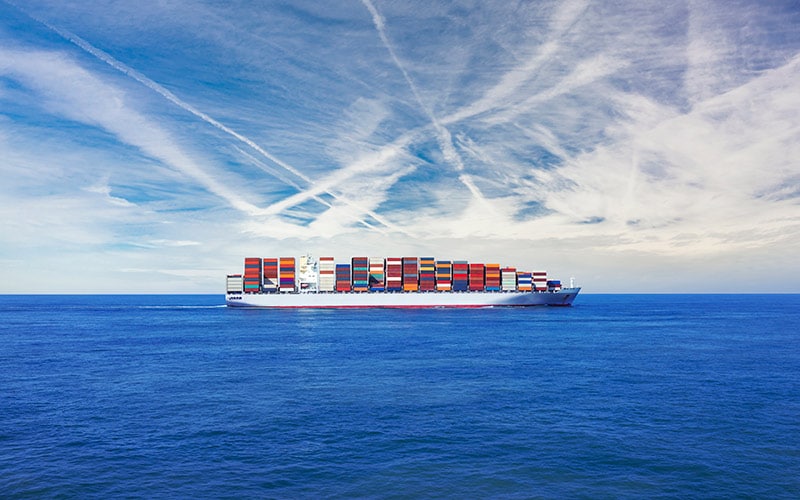
Supply chain volatility remains a persistent challenge, compounded by an unpredictable geopolitical environment that demands rigorous scenario planning around trade flows, tariffs, and sourcing strategies. Ongoing uncertainty in the Strait of Hormuz is constraining the flow of essential inputs, including oil, gas, aluminum, and fertilizers, with implications for global agriculture and food markets. While food supplies remain adequate, prolonged disruptions to supply chains could increase production costs, reduce agricultural output, and drive food inflation. To mitigate these risks, the Food and Agriculture Organization recommends maintaining open trade, supporting farmers, coordinating policy responses swiftly, and accelerating diplomatic efforts. CPG brands also need to reduce dependence on suppliers concentrated in Gulf-linked trade lanes, develop secondary suppliers in Southeast Asia, India, Europe, or the Americas, build strategic inventory buffers, adjust production depending on demand, and establish logistics contingency plans.
The cost of digital marketing and customer acquisition continues to rise, adding further pressure to already constrained operating models. The defining strategic challenge for CPG leaders is balancing short-term profitability with long-term transformation — particularly in sustainability and technology. Companies that invest now in digital capabilities, supply chain resilience, and consumer-led innovation will be better positioned to capture growth as market conditions stabilize. Those that defer will find the gap increasingly difficult to close.

Financial insights
Market size
The global consumer packaged goods market was valued at approximately $3.45 trillion in 2025 and is projected to reach $4.24 trillion by 2030, representing a compound annual growth rate of 4.2% over the period.
Food and beverages command the largest share of this market, underpinned by their essential role in daily consumption and alignment with evolving lifestyle patterns. E-commerce follows as a significant growth segment, reflecting the continued shift in how consumers discover, purchase, and receive everyday products. The global e-commerce retail market size is projected to grow by $5.9 trillion between 2025 and 2030, at a CAGR of 13.1%. E-commerce is expected to represent approximately 40% to 42% of global retail sales by 2027, underscoring the continued shift toward digital commerce across markets.
Underlying this trajectory are two structural forces reshaping demand across the category. Rapid urbanization is expanding the consumer base in high-growth markets such as APAC and Southeast Asia.
Alongside this, consumer preferences toward convenience-led formats, health-conscious formulations, and products that fit better into faster-paced, more mobile lifestyles.
Spend
Across global markets, CPG brands are responding to intensifying competition and shifting consumer expectations by moving beyond incremental product updates toward more deliberate portfolio strategies. Investment is flowing into tailored offerings that speak to specific consumer segments — whether defined by dietary preference, cultural context, or lifestyle stage — as brands recognize that broad, undifferentiated ranges are increasingly insufficient to defend share.
Premiumization has emerged as a parallel priority. This is a business strategy where companies encourage consumers to buy higher-value, higher-priced products or services by offering enhanced quality, features, experiences, or benefits. These can be in the form of superior ingredients, elevated packaging, enhanced formulations, and more compelling brand narratives.
The beauty industry, for example, is focusing on premium ingredients and new high-end products and packaging, with brands like Vaseline and L’Oréal.
At the same time, companies are developing new product formats to meet today's consumer preferences rather than relying on assumptions from older distribution models, from single-serve and on-the-go variants such as ready-to-eat or ready-to-drink products that are portable and convenient, to subscription bundles and direct-to-consumer lines. The brands gaining ground in this environment are those treating innovation as a continuous commercial discipline embedded across their organizations.
Industry dynamics
Economic environment
Asia-Pacific stands out as the fastest-growing regional market, propelled by rising disposable incomes, rapid urbanization, and expanding consumer demand across food, personal care, and household categories. A majority of executives (70%) believe the strongest growth prospects in 2026 lie outside their traditional markets. Southeast Asia and India are the leading targets for expansion, supported by investments in distribution infrastructure, digital capabilities, and e-commerce initiatives.
Sustainability initiatives in packaging innovation are further strengthening the growth outlook, as governments and consumers across the region raise expectations around environmental responsibility. North America, meanwhile, remains the single largest contributor to global CPG growth, accounting for approximately 35% of sector expansion — reflecting the enduring scale and spending power of its consumer base. Cutting across both regions, e-commerce continues to function as one of the most significant structural growth drivers in the industry, accelerating the shift away from traditional retail and reshaping how brands build relationships with consumers. To compete effectively in this environment, CPG companies are directing increased investment toward artificial intelligence, data analytics, and retail media networks — capabilities that are proving essential for improving margins, sharpening demand forecasting, personalizing consumer engagement, and extracting greater commercial value from an increasingly complex and data-rich marketplace. According to the Infosys AI Business Value research, cash flow optimization is a highly viable AI use case for CPG companies. They also employ AI effectively in marketing.
Regulatory changes
The regulatory environment facing CPG companies has grown considerably more demanding, with two developments in particular reshaping the strategic priorities of food, beverage, and pharmaceutical manufacturers. The US Food and Drug Administration (FDA) has revoked authorization for the use of synthetic colorants linked to cancer findings in animal studies, giving food and beverage manufacturers until January 2027 and drug companies until January 2028 to reformulate affected products — a compressed timeline that is already driving significant investment in ingredient innovation, supply chain reconfiguration, and consumer communication strategies.
Compounding this pressure is the increasingly unpredictable landscape of US tariff policy, which has introduced fresh uncertainty across global trade flows, raw material sourcing, and cross-border manufacturing arrangements. For CPG companies with internationally integrated supply chains, the combination of regulatory-driven reformulation demands and volatile tariff regimes presents a compounded planning challenge. Addressing it requires operational agility and a level of scenario planning sophistication that many organizations are still developing.
Sustainability
Growing consumer demand for ecofriendly and recyclable packaging continues to shape product innovation strategies. Consumers aged 18 to 34 years are at the forefront of adopting online shopping, direct-to-consumer brands, sustainable packaging, and functional foods, reflecting their strong digital engagement and willingness to embrace new products and trends. Meanwhile, governments across major markets are tightening requirements around plastic use, carbon footprints, and supply chain transparency in ways that carry real commercial consequences. Effective from August 2026, the EU's Packaging and Packaging Waste Regulation (PPWR) establishes stricter rules for packaging sustainability, including mandates on recyclability, extended producer responsibility (EPR) compliance, enhanced labeling, Digital Product Passports, and digital deposit schemes.
As of 2026, seven US states have implemented comprehensive packaging EPR regulations, requiring producers, including brands, manufacturers, importers, and, in some cases, retailers, to report packaging usage, fund recycling systems, and achieve specified sustainability and recycling objectives.
The fast-evolving patchwork of food-labeling laws, sustainable sourcing mandates, and state-level bans on specific food additives in the US is creating a regulatory landscape that is simultaneously more demanding and less predictable. For CPG brands operating across multiple geographies, navigating this complexity requires more than policy monitoring — it demands proactive reformulation pipelines, supplier due diligence programs, and the organizational agility to respond to regulatory change without disrupting commercial momentum or consumer trust.
While 78% of consumers continue to factor sustainability into their purchasing decisions, trust remains a challenge. More than a quarter (26%) of younger consumers are skeptical of sustainability claims and seek evidence to validate them. As consumer scrutiny intensifies, CPG companies must communicate their sustainability initiatives with greater transparency to build trust and strengthen brand affinity. They should also use AI to streamline operations, evaluate multiple scenarios, and accelerate decision cycles.
Trends
Private label growth
The rise of private labels — products manufactured by third parties and sold under a retailer’s brand — has been one of the most consequential structural shifts in CPG over the past several years, and there is little indication that momentum is slowing. Among the 20 largest US retailers, Trader Joe’s and Aldi have the highest private label penetration, with store brands contributing more than 75% of their total sales volume. The pandemic introduced many consumers to private label products, but persistent inflation turned them into a long-term purchasing choice. Younger shoppers, particularly Gen Z and Millennials, continue to face significant purchasing power pressures, making value a key consideration. As a result, private labels have evolved from a cost-saving alternative to a preferred option for many consumers.
Of the consumers who have tried a private label (store brand) product, 36% say they do not plan to switch back to branded products. The growing popularity of affordable alternatives and dupes of premium beauty products is also encouraging younger consumers to choose lesser-known, generic, or unbranded beauty products, instead of established beauty brands.
Retailers such as Walmart, Kroger, and Target have invested significantly in elevating the quality, packaging, and positioning of their own-brand ranges, narrowing the perceived gap with national brands and giving value-conscious consumers fewer reasons to trade up. For CPG manufacturers, the pressure is twofold — they face direct competition from private labels on the shelf while simultaneously supplying retailers whose own-brand ambitions continue to grow. Brands that rely primarily on price competitiveness or distribution scale without a compelling and differentiated product story are most vulnerable, making innovation, brand equity, and consumer loyalty programs increasingly critical defensive and offensive tools.
Rise in loyalty programs
As the cost of acquiring new consumers rises and the battle for share of wallet intensifies, loyalty programs have moved from a nice-to-have retention tool to a strategic commercial asset. By 2027, one in three businesses that do not have a loyalty program will have introduced one to strengthen first-party data capabilities and enhance customer retention. This reflects the increasing importance of loyalty programs as a strategic lever for generating customer insights and building lasting relationships. CPG brands — historically more reliant on retailer relationships than direct consumer connections — are investing in proprietary loyalty ecosystems that give them first-party data, direct communication channels, and the ability to reward and reinforce repeat purchase behavior without depending entirely on retailer-mediated touchpoints.
The most effective programs are moving beyond transactional points and discounts toward personalized experiences, exclusive access, and value exchanges that deepen emotional connection with the brand.
Premiumization
Premiumization remains a significant growth lever for CPG brands, even — and, in some cases, especially — in an environment where consumers are more value-conscious than usual. The apparent paradox resolves when premiumization is understood correctly. It is not simply about charging more, but about delivering more — through superior ingredients, elevated sensory experiences, more sophisticated formulations, and brand narratives that resonate with consumers' evolving sense of identity and aspiration. Across categories from food and beverage to personal care and home products, consumers are demonstrating a consistent willingness to trade up when the value exchange is clear and credible.
While consumers are cautious about spending, their willingness to explore and spend remains strong, with 37% of consumers having tried a new brand in the past three months and 40% planning to indulge in discretionary purchases. These purchases are often directed toward premium products, healthier alternatives, or offerings that clearly meet a specific need.
The opportunity for CPG brands lies in identifying the specific dimensions of premium that matter most to their target consumers — whether that is provenance, efficacy, sustainability, or exclusivity — and building product and brand strategies that deliver against those expectations with consistency and authenticity.
The growing adoption of GLP-1 medications such as Ozempic, Wegovy, and Zepbound for weight management and diabetes treatment is reshaping consumer eating habits. As these drugs often reduce appetite and shift demand toward smaller, nutrient-dense meals rich in protein and fiber, food manufacturers are increasingly developing products tailored to the needs of GLP-1 users.
Danone has launched a drinkable yogurt for GLP-1 users. Conagra Brands has GLP‑1‑friendly frozen meals designed to support portion management and lean protein and fiber-rich nutrition.
Technology outlook
AI in supply chains
AI is becoming the connective tissue of modern CPG supply chains, enabling a level of visibility, responsiveness, and predictive capability that was not achievable at scale even a few years ago. Leading CPG companies are deploying AI across procurement, inventory management, logistics optimization, and supplier risk monitoring. They are using machine learning models to anticipate disruptions before they materialize, dynamically reroute supply in response to demand signals, and reduce the waste and working capital inefficiency that characterize complex, multitier supply networks. In an environment shaped by geopolitical volatility, tariff unpredictability, and raw material price fluctuations, the ability to sense and respond faster than competitors is becoming a meaningful source of commercial advantage. The companies extracting the most value from AI are fundamentally redesigning how supply chain decisions are made, shifting from periodic human-led reviews to continuous, model-driven optimization that operates at a speed and granularity no traditional approach could match.
Infosys helps clients leverage digital planograms to optimize in-store promotions, improve product placement, and enhance aisle layouts, driving greater customer engagement and sales. Another high-impact use case is dynamic pricing, where retailers monitor competitive signals in real time and adjust pricing strategies accordingly, delivering rapid and measurable returns on investment.
Nestlé drove a CHF 2.5 billion ($3.1 billion) transformation focused on AI-enabled simplification, operational efficiency, and reinvestment in growth. AI was used to analyze over 200,000 purchase orders, enabling supplier consolidation from nearly 7,900 suppliers to just eight distributors and significantly reducing procurement complexity. The company also leveraged AI to standardize packaging specifications, cutting them by almost two-thirds and improving speed, quality, and scalability across brands. These initiatives helped unlock nearly CHF 700 million in value in the first year alone while increasing annual procurement savings from 3% to 5%.
Unilever operates a vast ice cream supply network spanning 35 factories and approximately 3 million freezers across 60 countries. AI-powered weather forecasting helped it refine demand predictions, reducing waste and improving supply chain efficiency. Meanwhile, Unilever says that data from over 100,000 AI-enabled connected freezers has boosted retail orders and increased sales by up to 30%, and it plans to increase the number of these freezers.
The Infosys AI Business Value research shows that CPG companies are investing in AI and getting business value from it — 55% of AI use cases in CPG generate tangible business value, on par with the industry average.
Also, a significant majority of C-suite executives (86%) plan to increase their investments in AI in 2026, reflecting strong confidence in the technology’s potential to drive growth and transformation. But only 12% of leaders identify return on investment as the primary driver of AI investment, highlighting the need for clearer strategies and frameworks to translate AI initiatives into measurable business value.
Better demand forecasting
Demand forecasting has always been one of the most consequential — and often imprecise — disciplines in CPG, and advanced analytics is now reshaping what is possible. By integrating a far broader range of data, including point-of-sale signals, social media sentiment, weather patterns, macroeconomic indicators, and retailer inventory levels, modern forecasting models are delivering meaningfully higher accuracy than the historical sales-based approaches they are replacing. For CPG companies, the commercial implications are significant: better forecasts can translate into reduced overstock and stockout events, lower logistics costs, more efficient production scheduling, and stronger retailer relationships built on reliable service levels.
As consumer behavior becomes more diverse across purchase channels and product preferences become increasingly individualized and harder to predict through conventional means, the ability to sense demand shifts earlier and respond with greater precision is emerging as a genuine differentiator. This separates companies managing their portfolios reactively from those shaping their operations proactively around where demand is actually heading.
Agentic commerce protocol
Agentic commerce is one of the most consequential emerging shifts in how consumers will discover, evaluate, and purchase products — and CPG brands are only beginning to reckon with its implications.
As AI-powered agents become capable of executing end-to-end purchasing decisions on behalf of consumers — selecting products, comparing prices, applying preferences, and completing transactions autonomously — they could fundamentally disrupt traditional levers of brand influence.
Shelf placement, packaging design, and paid search visibility matter far less when a consumer’s AI agent is making the choice based on structured product data, verified reviews, pricing logic, and personalized preference profiles. For CPG companies, this demands an urgent rethink of how products are described, categorized, and made discoverable in machine-readable formats, and raises profound questions about brand loyalty in a world where the consumer might never directly encounter the decision being made on their behalf. Gartner predicts that this year, brands will use agentic AI for one‑to‑one customer interactions, from timely alerts to customized recommendations.
The brands that move earliest to optimize for agentic discovery, build trust signals legible to AI systems, and participate actively in the emerging standards around commerce protocols will have a significant first-mover advantage in what could prove to be a transformative shift in retail.

Key takeaways
- Value-driven behavior is here to stay. Consumers who shifted toward private labels, discount channels, and deal-driven purchasing during the inflationary period have largely retained those habits, even as price pressures ease. CPG brands can no longer rely on price increases to protect margins and must instead find growth through volume, mix, and genuine product differentiation, along with ensuring compelling customer experiences.
- Execution is getting more complex. The convergence of regulatory change, supply chain volatility, reformulation demands, and tariff uncertainty means that bringing a product to market — and keeping it there profitably — requires more coordination, more scenario planning, and more cross-functional capability than it did three years ago. Companies that lack the operational infrastructure to absorb this complexity will find it increasingly difficult to compete at scale.
- The industry is undergoing significant change driven by cost challenges, evolving consumer expectations, and digital acceleration. Input costs, shifting retail dynamics, and the rising investment required to compete in e-commerce and retail media are all compressing the margin available for innovation and brand building. The companies navigating this most effectively are those treating cost discipline and transformation not as competing priorities, but as two sides of the same strategic response. As spending becomes more selective, companies that tailor their offerings and messaging to evolving consumer priorities are likely to be better equipped to sustain demand.
- The CPG industry is transitioning toward a digitally enabled, sustainability-driven, and consumer-centric model. E-commerce, eco-friendly packaging, and personalized product offerings are becoming the baseline expectations against which brands are evaluated. Companies that invest proactively in these capabilities, rather than waiting for market pressure to force the issue, will be best positioned to capture the next wave of growth and build the kind of consumer relationships that endure beyond any single product cycle.

For retailers, the AI advantage will come from building the organizational muscle that lets employees use AI confidently.
- 09 Sep, 2026
- 6 min read

Retailers must prioritize AI-powered supply chain intelligence, seamless omnichannel experiences, and personalization to drive growth and resilience.
- 08 Sep, 2026
- 15 min read

Scaling AI adoption demands enterprise-wide transformation across operations, models, and culture.
- 29 Jul, 2026
