


Being AI -first
Explore AI-first thought leadership with Infosys’ insights, reports, and industry-specific content











Space Coast Chamber of Commerce CEO Anne Conroy-Baiter on why a historic launch boom is only the beginning for Florida’s innovation corridor.

What's holding back revenue management in telecom, and how AI and ontology can finally make billing predictable.

The technology for business resilience already exists. The advantage lies in how effectively logistics companies embed it into daily operations.

Token efficiency, or tokenomics, is now a primary design concern in AI deployments. To get ahead, organizations should build a framework of four composable levers, or thinking modes, applied across the agent stack to cut token expenditure without degrading output quality.
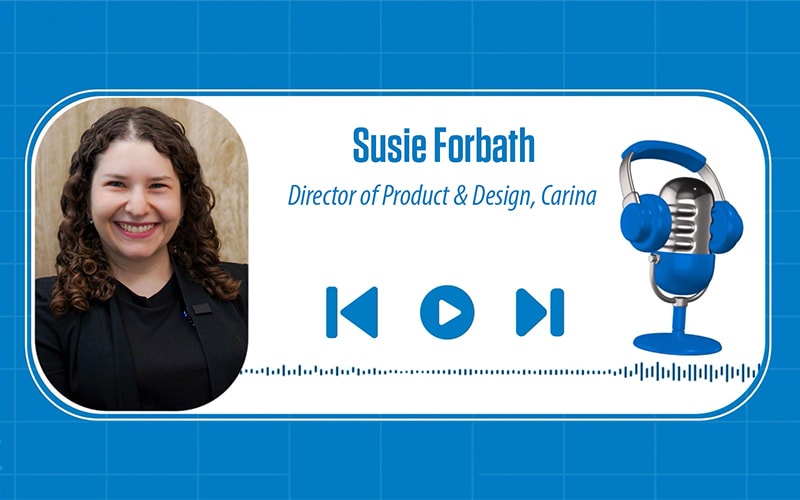
Susie Forbath of Carina makes the case that building software for the public good and building it well are one discipline. As AI makes prototypes cheap to produce, the edge belongs to the people who know which problem to solve and will stand behind the answer.

Erica Schenk and Phil Golub of WongDoody make the case that accessible, human-centered design isn't a nice-to-have in government work. It's the difference between a solution that gets adopted and one that gathers dust.
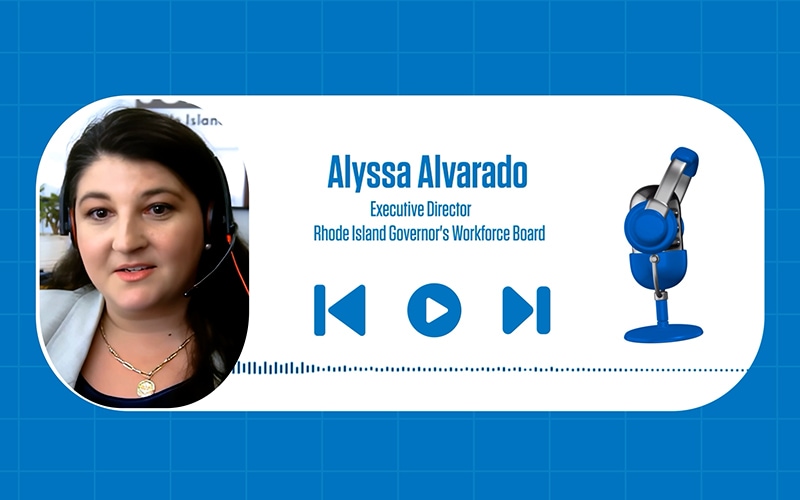
Alyssa Alvarado of the Rhode Island Governor's Workforce Board makes the case that a sector-based workforce system can reach real state scale. Real Jobs proves it in the numbers, running thousands of demand-driven programs on a data system solid enough that employers build their hiring around it.
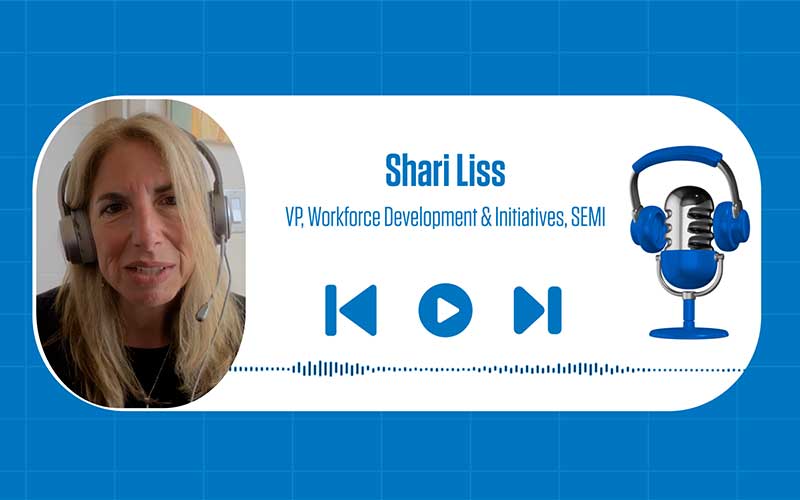
Shari Liss of SEMI makes the case that the semiconductor industry's growth now hinges on people, with hundreds of thousands of new workers needed in the US alone. Her answer is to stop rebuilding regional programs in isolation and knit them into one national system that shares what works across the country.
